LIFESTYLE
Nirjala Ekadashi: Why is Nirjala Ekadashi also known as Bhimseni Ekadashi? Learn the reason..
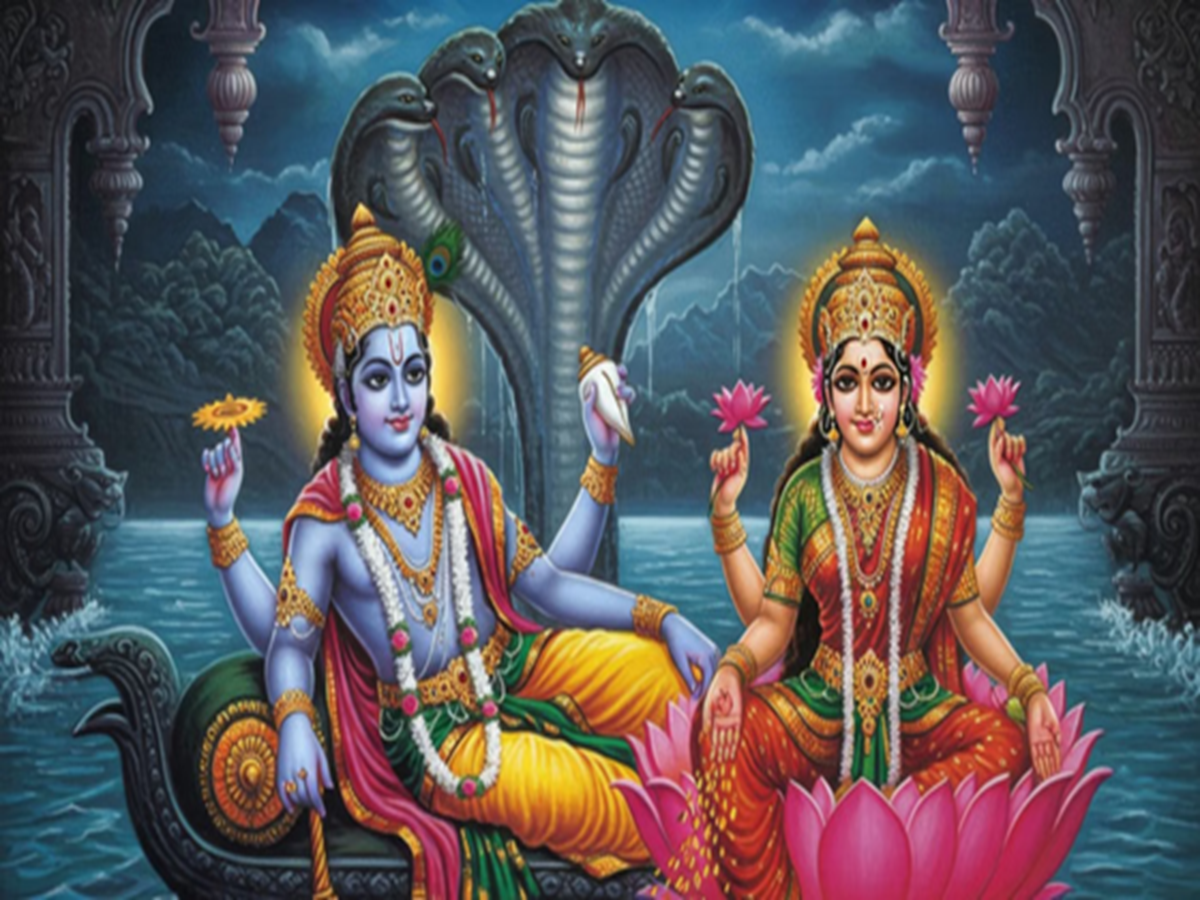
Nirjala Ekadashi 2026: In the Sanatan tradition, the Ekadashi Tithi (fifteenth lunar day) falling during both the *Shukla Paksha* (waxing phase) and *Krishna Paksha* (waning phase) of every month is considered extremely auspicious for the worship of Lord Vishnu. However, when this Ekadashi occurs during the *Shukla Paksha* of the month of *Jyeshtha*, its significance is further heightened, and it is known as Nirjala Ekadashi. It is believed that this fast is exceptionally rigorous, as devotees observe a complete fast—abstaining even from water—amidst the scorching heat of summer to seek the divine grace of Lord Shri Hari.
For this very reason, it is also referred to as Bhimseni Ekadashi. Let us explore in detail the exact date of Nirjala Ekadashi 2026, the auspicious time for worship (*Puja Muhurat*), its religious significance, and the mythological legend associated with it.
**Nirjala Ekadashi Date**
**Commencement of Nirjala Ekadashi Tithi (Shukla Paksha, Jyeshtha Month):** June 24, 2026, from 6:12 PM onwards.
**Conclusion of Nirjala Ekadashi Tithi (Shukla Paksha, Jyeshtha Month):** June 25, 2026, until 8:09 PM.
**According to the rules of *Udaya Tithi* (the sunrise rule), this fast will be observed on Thursday, June 25, 2026.**
**The breaking of the fast (*Parana*) may be performed on Friday, June 26, 2026, between 5:25 AM and 8:13 AM.**
**Worship Rituals for the Nirjala Ekadashi Fast**
On the day of Nirjala Ekadashi, wake up before sunrise, take a ritual bath, and engage in meditation.
After purifying your body and mind, take a solemn pledge (*Sankalp*) to observe the fast.
During this fast, one abstains from both food and water; however, one should observe this strictly according to one's physical capacity and endurance.
If observing a fast without water or fruits is not feasible for you, you may observe a modified fast (a less rigorous form) and offer your prayers to Lord Vishnu.
If possible, wear yellow-colored garments on this day.
Offer yellow flowers, sandalwood paste, saffron, incense, a lighted lamp (*Deepak*), *Tulsi* (Holy Basil) leaves, yellow fruits, and sweets to Lord Vishnu.
After performing the worship rituals in accordance with the prescribed rites, recite the sacred legend (*Katha*) associated with the Nirjala Ekadashi fast.
During the worship, chant the mantra **"Om Namo Bhagavate Vasudevaya"** as frequently as possible. Finally, be sure to perform the *Aarti* (ritual worship with lamps) of Lord Lakshmi-Narayana.
On this day, donating items such as a water-filled *Kalash* (ritual pot), fruits, a hand fan, clothing, and money is considered highly auspicious.
On the following day, consume food only after breaking the fast (*Parana*) during the auspicious time (*Shubh Muhurat*).
Why is Nirjala Ekadashi also called Bhimaseni Ekadashi?
Nirjala Ekadashi is also known as Bhimaseni Ekadashi. A famous legend dating back to the era of the *Mahabharata* is associated with this name. It is believed that among the five Pandava brothers, Bhima was exceptionally strong, but he also possessed an insatiable appetite. For this very reason, observing regular fasts—as his other brothers did—was not an easy task for him. Once, Bhima confided in Sage Ved Vyasa regarding this predicament. The Sage then advised him to observe the fast of Nirjala Ekadashi, which falls during the *Shukla Paksha* (waxing phase of the moon) in the month of *Jyeshtha*.
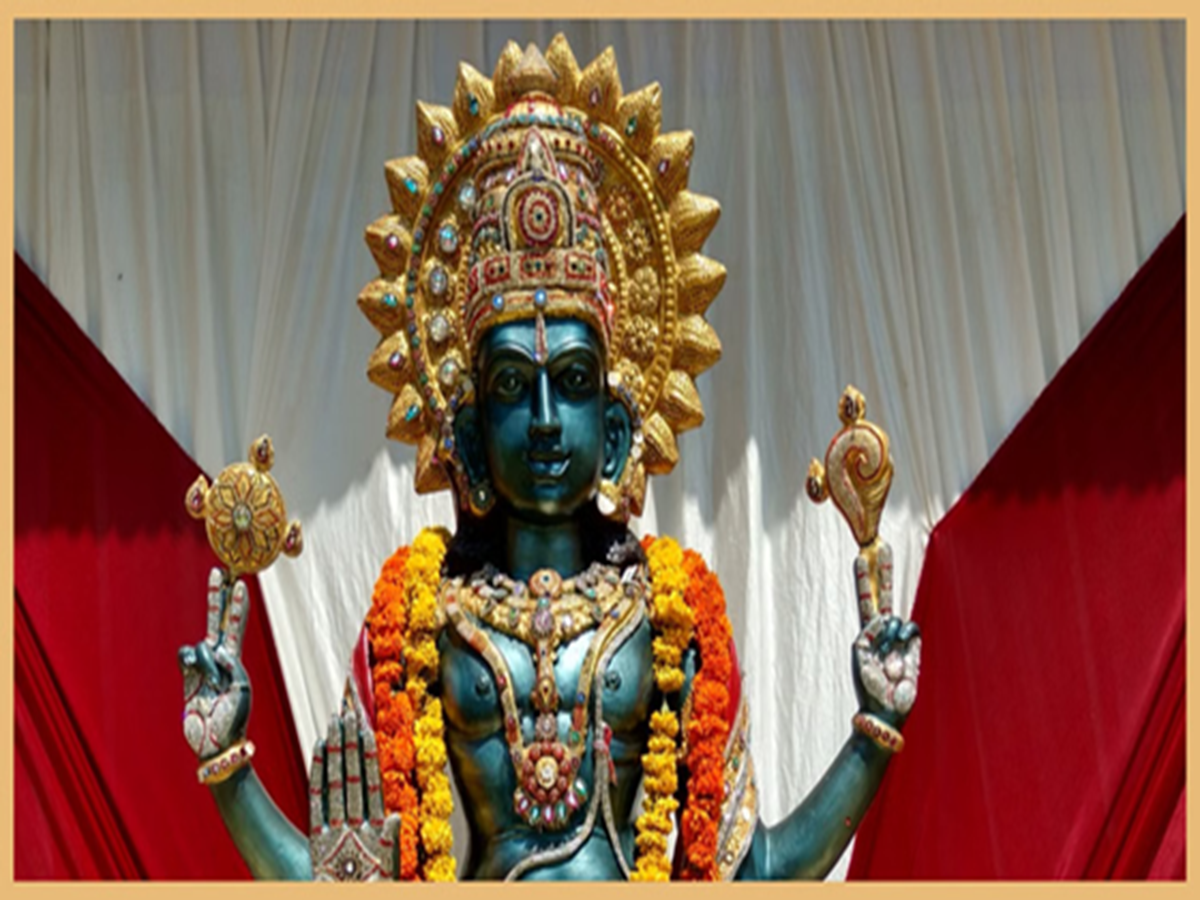
He explained that if a person observes this single fast with unwavering faith and strict adherence to the prescribed rituals, they accrue spiritual merit equivalent to observing all the Ekadashi fasts throughout the entire year. Heeding the counsel of Sage Ved Vyasa, Bhima observed the Nirjala Ekadashi fast in strict accordance with the scriptural rites. Since that time, this sacred fast has also come to be known as Bhimaseni Ekadashi.
PC Social Media