LIFESTYLE
One side shiny, the other dull: Why aren't both sides of aluminum foil the same? Understand the full science..
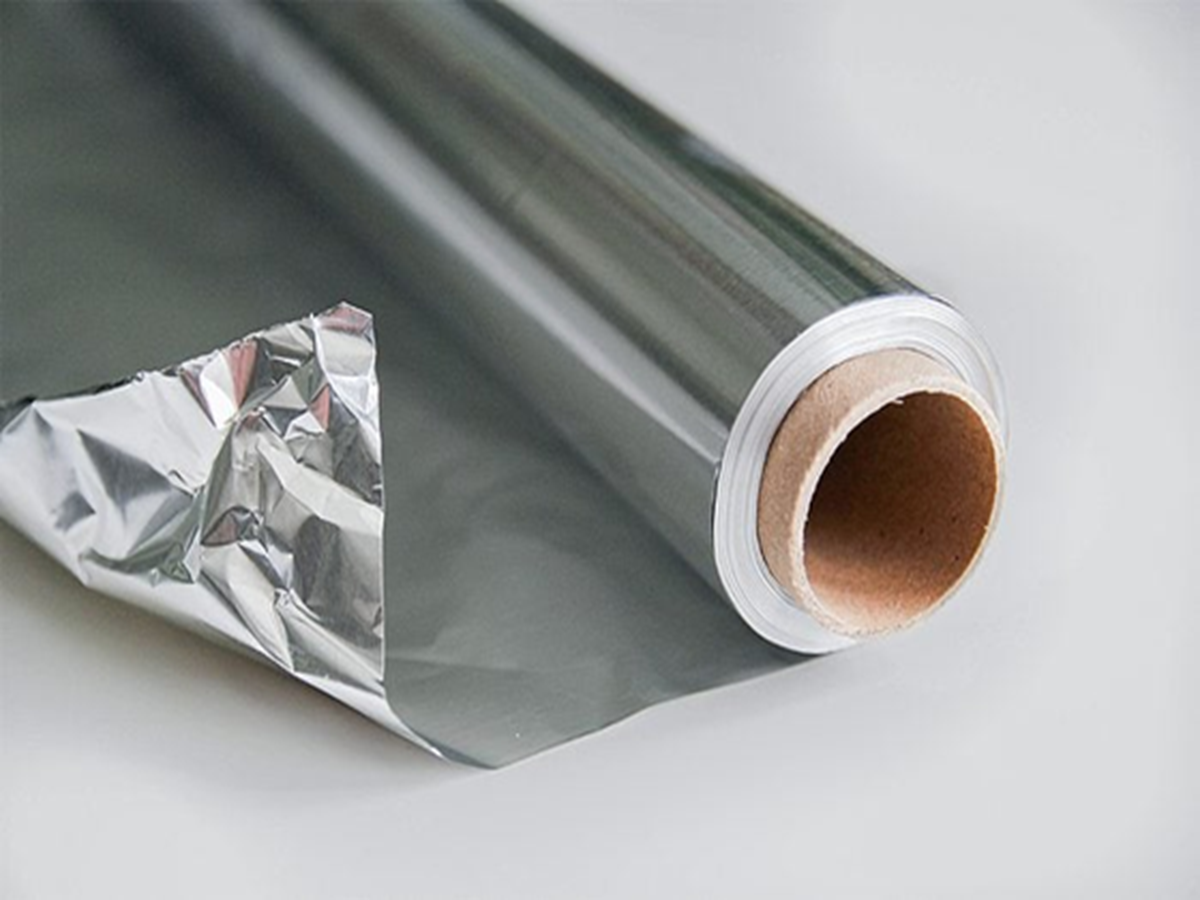
Many households use aluminum foil to pack food, but have you ever noticed that one side of the foil is shiny—almost like a mirror—while the other appears somewhat dull?
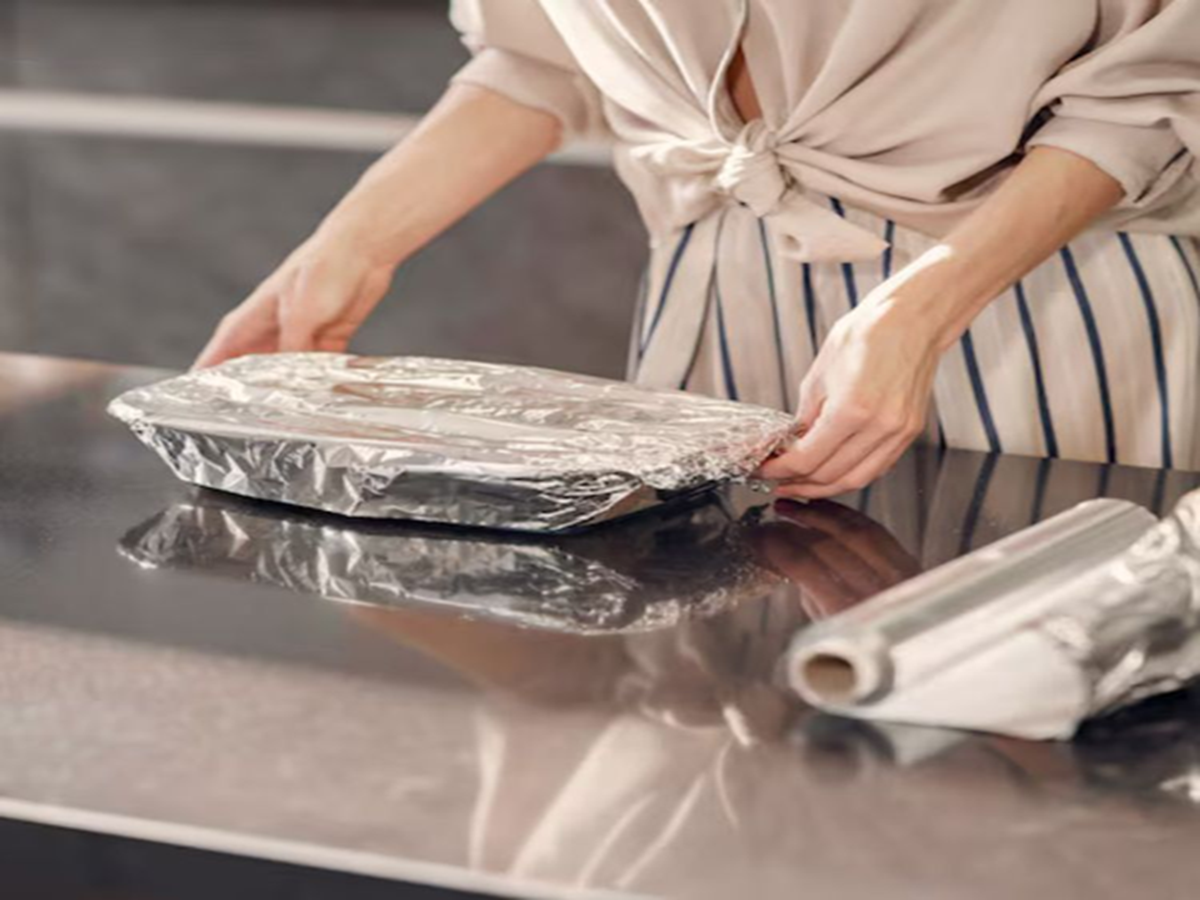
You might be surprised to learn that this isn't merely a design choice; there is actually fascinating science behind it. Let’s understand why this happens in simple terms.
How is the foil made?
To manufacture aluminum foil, thick sheets of metal are passed between rollers. This rolling process is repeated until the metal's thickness is reduced to less than 0.02 millimeters.
According to the European Aluminium Association, when the foil becomes extremely thin, the risk of it tearing or breaking increases significantly during the final stages of rolling.
What determines the difference between the shiny and matte sides?
To prevent the foil from tearing, manufacturers roll two layers of metal together during the final stage.
During this process, the outer side that comes into direct contact with the polished steel rollers becomes smooth and shiny due to the friction. Conversely, the side pressed against the other layer of foil does not undergo this polishing effect. This is why one surface of the foil remains dull.
Is there any chemical difference between the two surfaces?
Absolutely not. The difference is purely physical. There is no chemical change distinguishing the shiny side from the dull side. The Aluminium Association clearly states that a smooth, shiny surface is capable of reflecting more than 80 percent of light, whereas a rough or dull surface reflects less light. In terms of composition and thickness, both sides of the foil are identical.
Which side should face inward when packing food? According to research by the U.S. Department of Agriculture and Consumer Reports, you can use either side of the foil for general purposes. Since both sides are made of aluminum and have the same thickness, they transfer heat at the same rate. During grilling or roasting, the aluminum's thermal conductivity ensures heat spreads evenly throughout the food.
Does the difference between the two sides really not matter?
While it may not make a difference in everyday tasks, there are specific situations where it is important to consider:
Use of non-stick foil: Some companies manufacture non-stick aluminum foil. In these products, the dull side is treated to be non-stick; therefore, the instructions usually specify placing the food on the dull side.
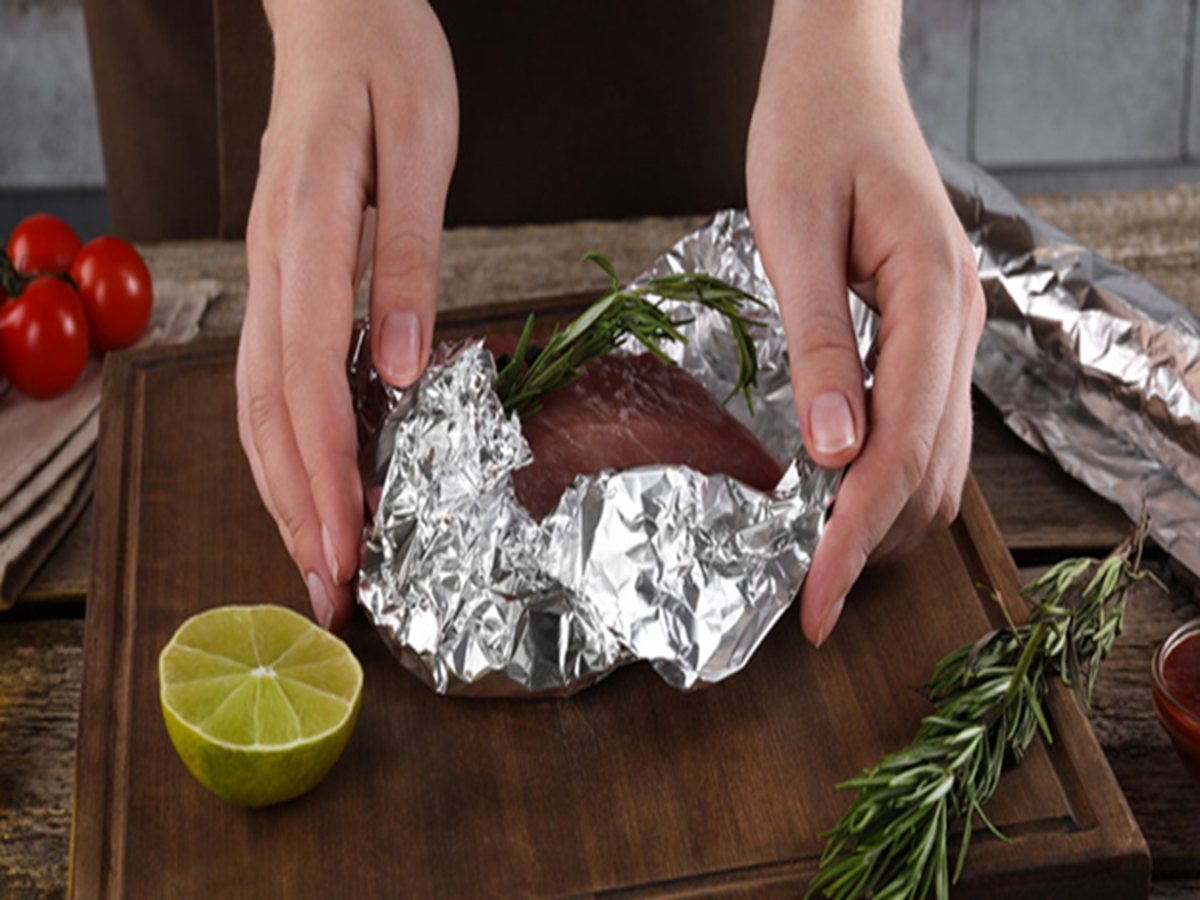
Laboratory or technical work: The shiny side is often preferred in laboratory or technical applications because it reflects heat much more effectively than the dull side.
Overall, unless you are engaged in a highly specialized or technical task, it makes no difference whether you use the shiny or dull side for everyday cooking or packing lunch. You can confidently wrap your food using either side.
PC Social Media