Parenting
Parenting: AIIMS Research Sparks Anxiety Among Parents! Exposing Children Under Two to Mobile Phones...

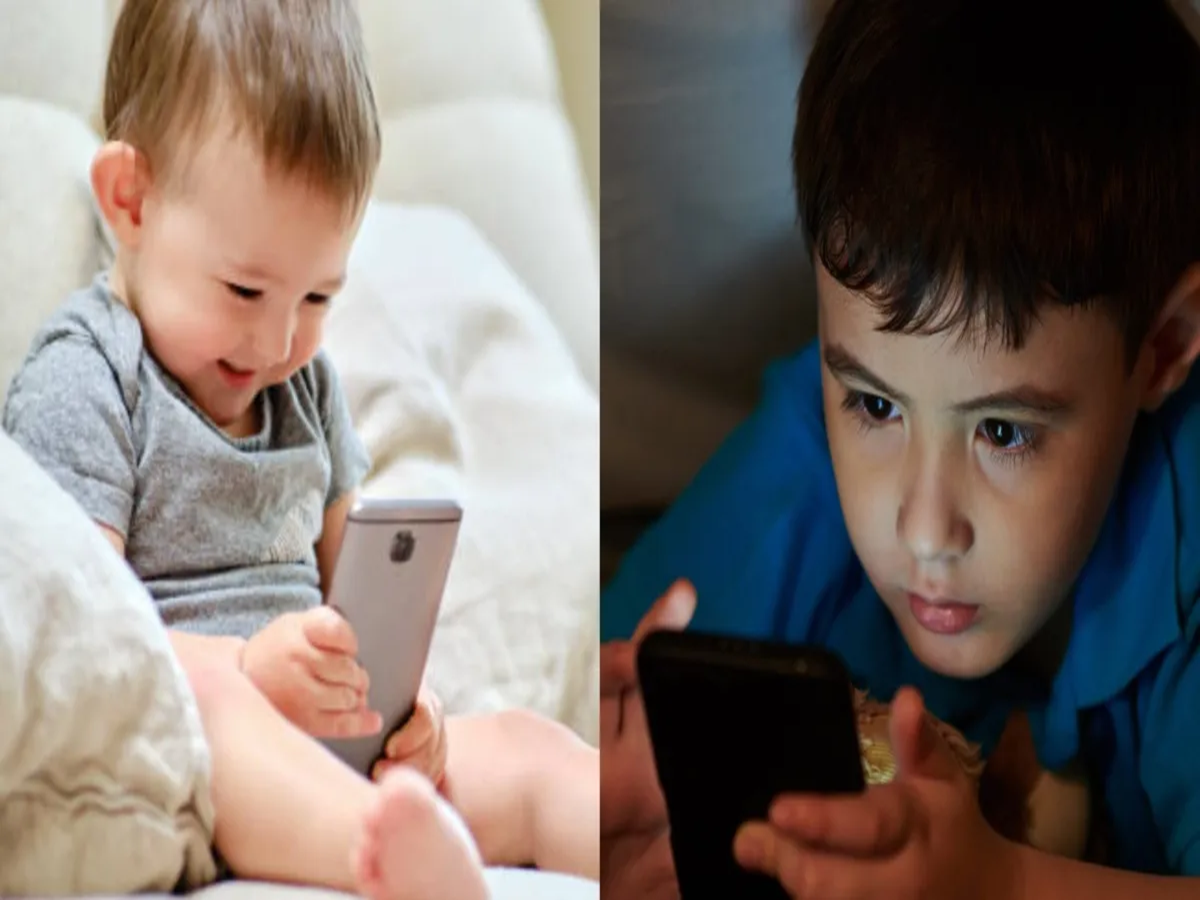
A research study conducted at AIIMS New Delhi—the country's largest government hospital—regarding children's health has heightened concerns among parents. According to experts, exposing children aged birth to 18 months to excessive mobile phone or screen usage can adversely impact their mental and behavioral development. Doctors state that excessive screen exposure during early childhood can affect a child's language development, social behavior, and ability to concentrate. For this reason, parents are being advised to refrain from using mobile phones as a primary means of entertainment for young children.

Experts explained that the first two years after birth are critical for a child's brain development. During this period, a child learns from their surrounding environment, their parents' facial expressions, voices, touch, and interactions. If a child spends a significant amount of time in front of a mobile screen during this formative age, their natural learning process may be compromised. According to doctors, in some cases, such children may exhibit symptoms such as delayed speech, reduced eye contact, a lack of response when called by name, diminished interest in social activities, and repetitive behaviors. These symptoms may be associated with neurodevelopmental conditions such as Autism Spectrum Disorder; however, it is not currently considered scientifically established that screen exposure alone directly causes autism.
**Keep Phones Away for the First Several Months After Birth**
Dr. Sheffali Gulati, a Professor in the Department of Pediatric Neurology, has advised parents to remain vigilant regarding screen time. Doctors recommend that children aged from birth to 18 months should be kept away from mobile phones, tablets, or TV screens as much as possible. For children aged 18 months to 6 years, screen time should still be limited and supervised. If screens are used, the content should be educational and interactive, and viewing should take place in the presence of parents. The habit of handing a child a mobile phone simply to pacify them can prove detrimental in the long run.
**What Happens When Children's Screen Time is Reduced?**
Doctors note that children who have limited screen time tend to engage in higher levels of physical and mental activity. Such children play, run, learn by touching objects, interact with people, and recognize new sounds and faces. These very activities strengthen brain development. Therefore, instead of handing children a mobile phone, it is far more beneficial to tell them stories, engage them with colorful toys, encourage outdoor activities, and spend time with them as a family.
**Gradually Reduce Screen Time**
If a child has already become addicted to mobile phones, doctors advise against abruptly cutting off access entirely. Instead, gradually reduce screen time and offer other engaging alternatives in its place—such as drawing, playing with building blocks, reading books, listening to music, playing in the park, or conversing with family members. Snatching the mobile phone away suddenly can lead to increased irritability, crying, or outbursts of anger in the child.
**When Should You Consult a Neurodevelopmental Specialist?**
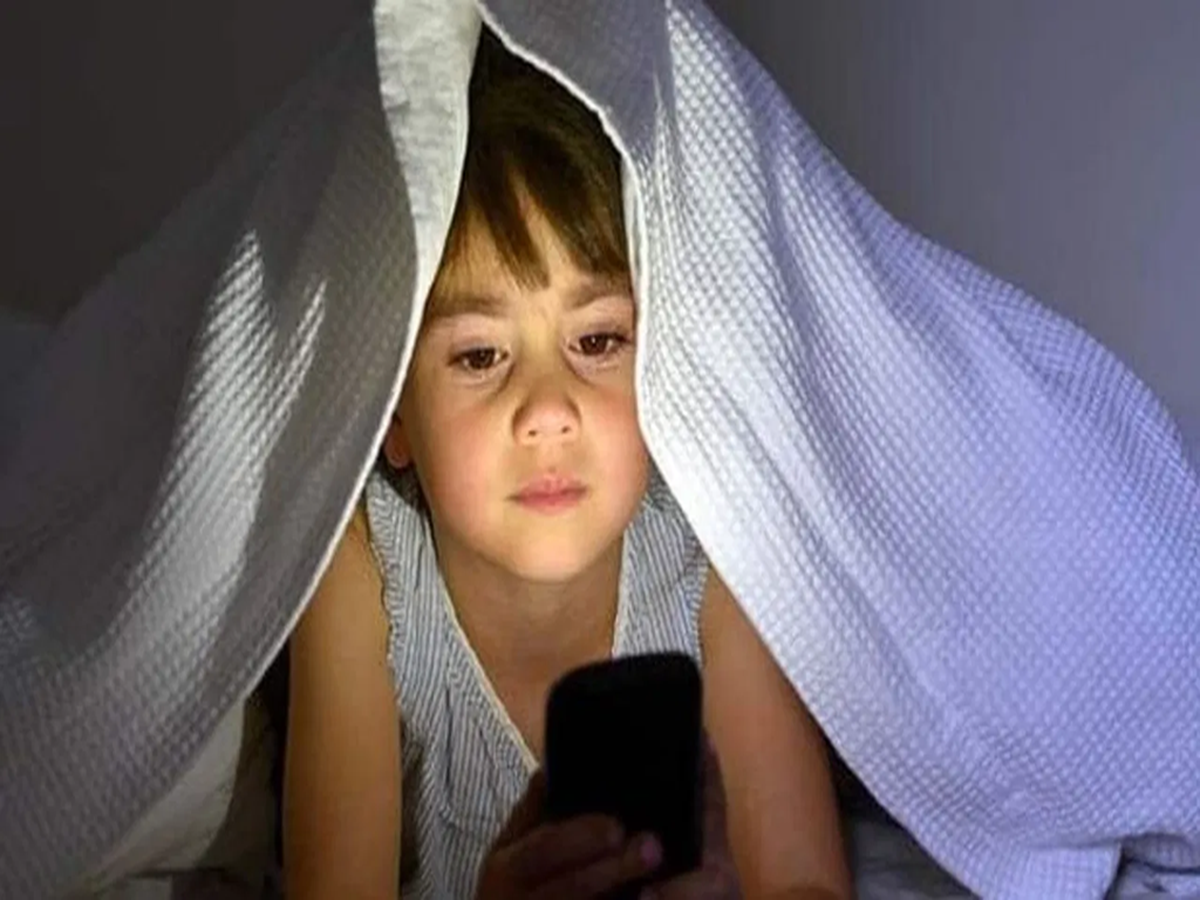
Experts also suggest that if you observe speech delays, changes in social behavior, a lack of eye contact, or signs of impaired comprehension in your child, you should immediately consult a pediatrician or a neurodevelopmental specialist. With early detection, significant improvement is possible through therapy, behavioral support, and medical care. Parental awareness and taking timely action are the most crucial keys to ensuring a brighter future for children.
PC Social Media