Parenting
Parenting: At what age should you feed spicy food to your child? How do you start? Don't make a big mistake as a parent..
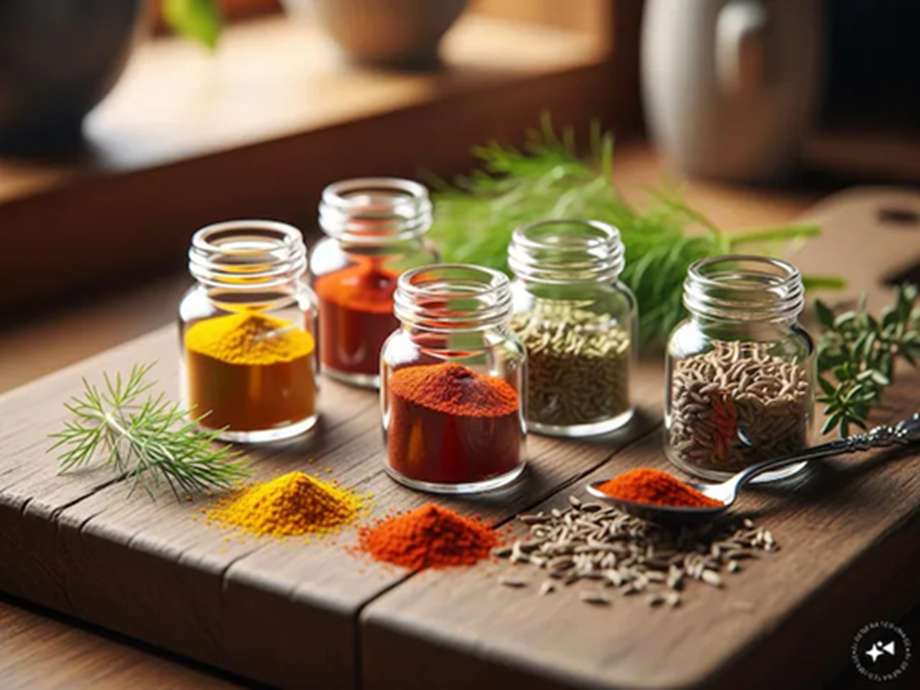
Baby Spices Introduction: The introduction of solid foods is a memorable and exciting time in a baby's life. Parents learn something new every day along the way. Sometimes they're smeared with tomato puree, or sometimes they're making a small mistake while trying to hold a glass of water. But during these moments, one question repeatedly comes to mind: can we introduce spices now? This question arises especially often in families where spices play an important role in everyday meals. You want your baby to recognize the same aromas, homeliness, and flavors you grew up with. You also don't want any strong or unfamiliar flavors to upset their delicate stomachs.
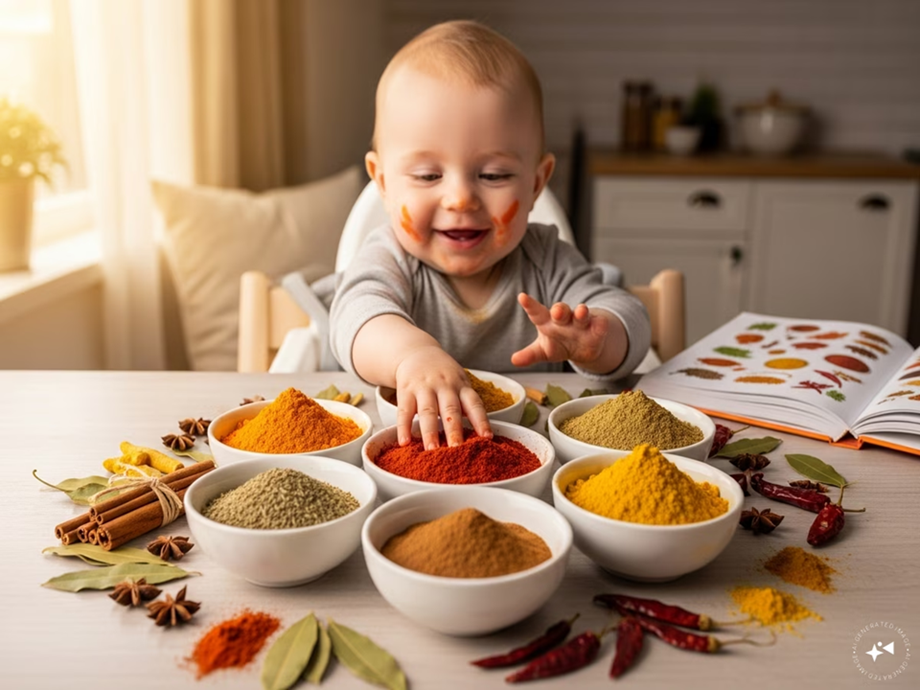
Babies have a very sensitive sense of taste. This is why flavors introduced in the early months can influence their future food choices. Introducing the right spices at the right time and in the right way makes their taste journey safe and enjoyable. Sometimes, due to haste or lack of knowledge, parents make mistakes that can make their baby nervous or uncomfortable about eating. In this article, we'll explain in simple terms when to introduce spices, which spices to introduce first, how to introduce them, and what mistakes to avoid so your baby can stay healthy while learning to taste.
When should spices be introduced?
Most experts agree that mild spices can be gradually introduced once a baby is around six months old and is eating solid foods well. At this age, babies begin to taste things like fruit and vegetable purees, porridge, or milk, so mild spices can help develop their taste buds.
The period between six and nine months is considered the safest and most comfortable for introducing spices.
Infant Food Mistakes
Which Spices to Introduce First?
Always start with spices that are mild, aromatic, and gentle on the stomach, such as:
- cumin
- coriander
- cinnamon
- cardamom
- turmeric (in very small amounts)
- celery
These spices add aroma but are not pungent, so your baby can easily accept them.
Avoid these spices completely:
- chili powder
- spicy spices
- heavy spice mixes
- excessive black pepper
These can cause stomach irritation, discomfort, or taste aversion.
How to introduce spices? The right way
1. Always introduce cooked spices; avoid raw ones.
Raw spices can be pungent and difficult to digest.
2. Start with very small amounts.
Even a pinch is enough.
Baby food mistakes
3. Add them to familiar foods, such as lentils, vegetable purees, porridge, etc.
4. Introduce one new spice at a time.
This makes it easier to understand which flavors suit your baby and which don't.
5. Keep the rest of the food mild.
So that new tastes don't seem overwhelming.
What mistakes do parents often make?
Introducing spices to your baby isn't difficult, but it's important to avoid these common mistakes:
- Adding too many spices at once
This can make the taste seem overwhelming and make it difficult to understand the cause of a reaction.
- Introducing spicy spices too quickly
Never introduce strong spices before the age of one.
- Introducing raw spices
This can cause stomach upset or irritation.
- Adding too many spices
Even mild spices can taste strong if the flavor is too strong.
- Not paying attention to your baby's reaction
Some reactions may not appear immediately, but may even take a few hours.
Does cultural influence food?
Yes, in many homes, babies smell spices from the first day after birth. This helps them recognize the aroma, but that doesn't mean they should introduce spices too early. Aroma and food experience are two different things.
The baby should first develop a liking for basic foods, then gradually move on to spices.
How can you tell if your baby is taking the spices well?
-Showing interest in spicy foods
-No facial discomfort
-No stomach aches, gas, or rashes
If your baby seems upset, stop introducing spices for a few weeks and then start again with a smaller amount.
PC Social Media