Parenting
Parenting: Breaks are essential for children's physical and mental health; a parenting counselor explains the benefits..

Every week, we hear heartbreaking news: a 17-year-old dying of a heart attack or a topper taking their own life. Last month, a student from Greater Noida committed suicide, writing, "I'm useless. I can't bear the stress and pressure anymore." Meanwhile, a student who recently qualified for the NEET exam wrote before dying, "I don't want to become a doctor." These words reflect the suffocation that many young people silently carry within themselves.

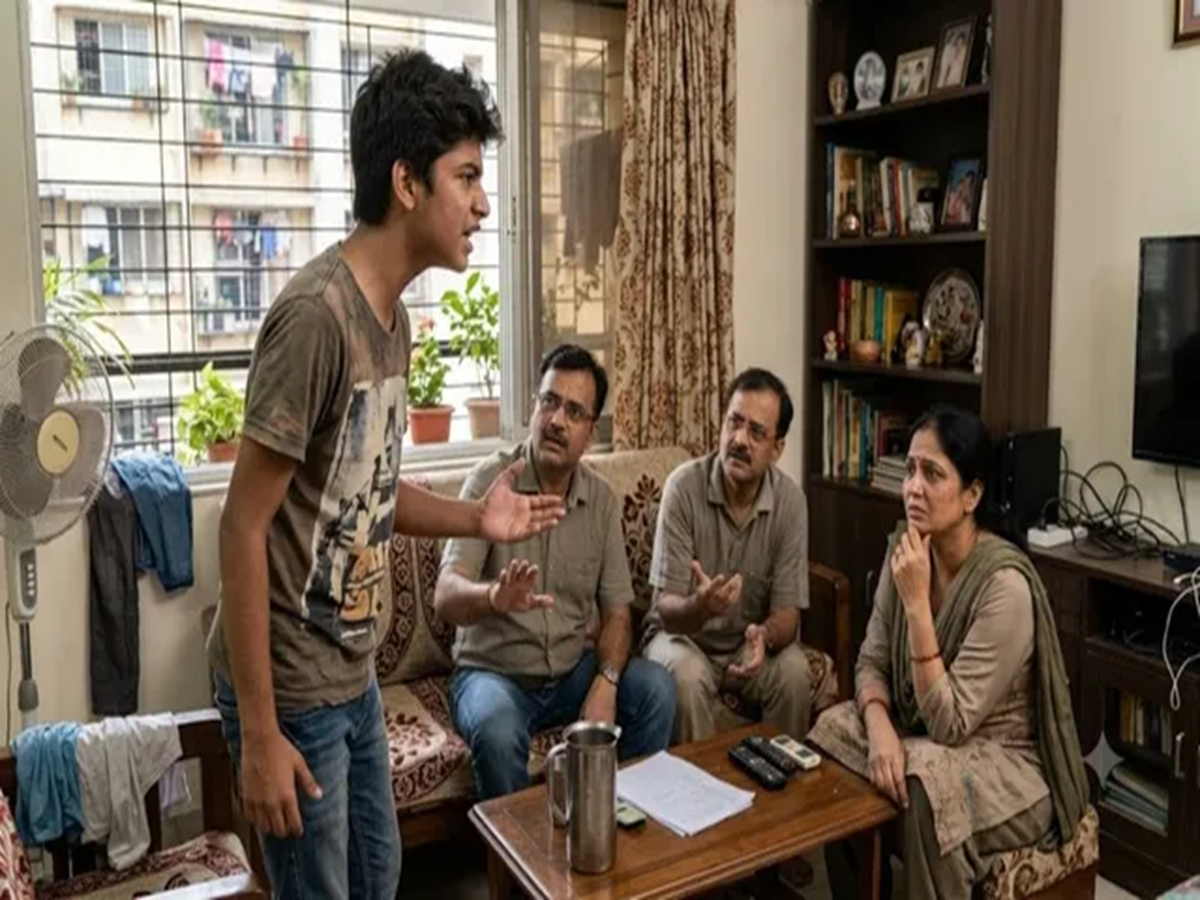
A parent spoke about her son, a fourth-grade student who already attended four tuitions, football practice, and robotics classes. When he came home, he would cry while doing his homework. One day, he locked himself in his room and refused to come out. It wasn't laziness, it was fatigue.
Another teenager, despite scoring 95%, wasn't feeling well because she compared herself to her older cousin, who scored 97%. The pressure wasn't external; it was internal. Children absorb expectations like sponges.
I read in the news that a 16-year-old girl fainted during a school assembly because she had stayed up until 3 a.m. preparing for the Olympiad. Upon regaining consciousness, her words were shocking: "I don't remember the last time I just played."
Ritu Singal says that as a life coach, every parent I meet shares the same concern: "If my child isn't proficient in every field, he or she will be left behind." But what if, in this rush, they lose their health, their spark, and their zest for life! A good story must have some commas and pauses; otherwise, you'll be left breathless from reading it endlessly. A similar effect occurs when children reading life-like passages fail to remember they need commas and start to lose their breath.
A pause is not an option, a necessity.
Children's stress manifests differently: a once cheerful child becomes irritable. A child with a good appetite loses interest in favorite foods or games. These are the whispers of a busy life. The danger of lack of leisure is real. Overworked children become adults who don't know how to switch off. We are already seeing many young people today suffering heart attacks and strokes in the race to advance in professional life, or feeling empty despite high salaries.
Rest is Important
We should create a family environment where, instead of constantly rushing, some time is spent relaxing and enjoying the moment. Rest can mean dancing, reading comics, painting, or simply sitting quietly. Today, children don't learn to befriend leisure. Taking a pause is not a waste of time.
It is a life skill. Instead of preparing children to excel in every field, it's better to prepare them for a better life. Success without balance is fleeting. When you teach children the art of rest or taking breaks, you're not slowing them down, but rather preparing them to run farther, stronger, and happier.
Signs that your child may be stressed:
Irritability or frequent crying that seems 'unusual'.
Complaints of headaches, stomachaches, or persistent fatigue.
Changes in appetite, trouble sleeping, restlessness, or feeling tired even upon waking.
Loss of interest in friends or activities they previously enjoyed.
Performing poorly in studies or sports despite trying hard.
If you notice two or more of these symptoms together, stop and think. It's probably not 'just a thing'—it's stress that demands your attention.
Parents, ask yourself:
Many parents say they don't put any pressure on their children, but sometimes this pressure is indirectly placed on them, so it's important to introspect:
Is the child more tired at the end of the day than you are?
Does the child have time to "do nothing" without feeling guilty?
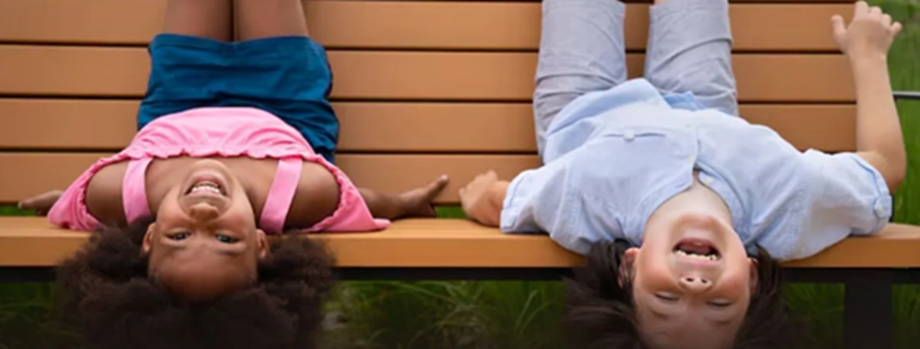
When was the last time you laughed or shared happy moments as a family?
Are you simply modeling busyness for your child, or are you also teaching balance?
Are you turning them into trophy collectors or burnouts?
PC Social Media