Parenting
Parenting: Caught in the middle between children and adults? Adopt these 5 mental health tips..

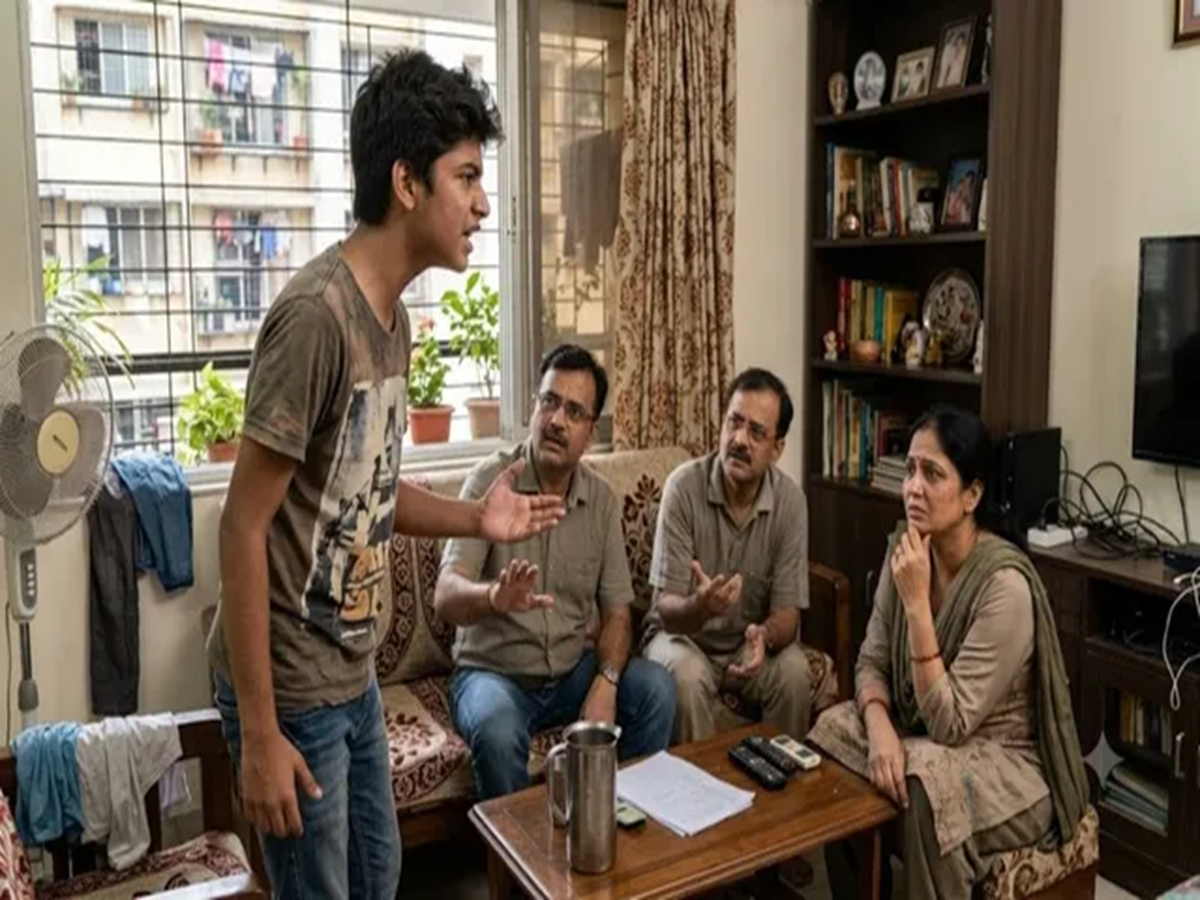
Mental Health for Parents: In today's fast-paced life, we often find ourselves standing at a crossroads where, on one side, lies the future of our children, and on the other, the declining health of our elderly parents. If you, too, are between the ages of 30 and 50 and feel "sandwiched" between these two sets of responsibilities, rest assured—you are not alone. Sociologists refer to this group as the "Sandwich Generation."

On the surface, this may appear to be an ideal family unit; however, in reality, parents belonging to this generation are enduring immense mental and emotional pressure. Let us explore how to safeguard our "mental health" while navigating this dual responsibility.
What is the True Burden of the "Sandwich Generation"?
In today's era of nuclear families, there are few hands available to help out, yet expectations remain high. One must focus on building a career for the children while simultaneously caring for the deteriorating health of one's parents. In the process of juggling this "dual role," we often neglect our own happiness and well-being. The result? Burnout, irritability, and a perpetual sense of exhaustion.
To avoid burnout, be sure to adopt these "Me-Time" rules:
1. Stop Trying to Be "Superman."
First and foremost, accept the fact that you are a human being, not a machine. Not every task has to be executed perfectly. If the house remains a bit untidy on occasion, or if you prepare a simple meal, do not let yourself feel guilty about it.
2. Create a 20-Minute "No-Disturbance" Zone
Carve out at least 20 minutes each day exclusively for yourself. Put your phone aside and engage in whatever brings you a sense of peace—whether it is sitting on the balcony with a cup of tea or simply lying down with your eyes closed. This acts as a "reboot button" for your mind.
3. Learn to Share Responsibilities
Do not attempt to shoulder the entire burden alone. Talk to your partner and delegate tasks. Assign small chores and responsibilities to your children as well. If possible, do not hesitate to seek professional assistance for the care of the elderly.
4. The Art of Saying ‘No.’
It is impossible to live up to everyone's expectations. If you are feeling exhausted, learn to say ‘no’ to helping others. Make your own peace of mind your top priority.
5. Keep Your Hobbies Alive
Set aside one day a week to engage in activities you enjoy—such as painting, cooking, or meeting up with friends. It is these small joys that give you the strength to shoulder greater responsibilities.
Remember, you cannot quench anyone else's thirst with an empty cup. To take care of others, it is absolutely essential that you yourself are mentally and physically fit. Slow down a little and start loving yourself.
PC Social Media