Parenting
Parenting: Is your child suffering from separation anxiety? Identify these symptoms early...
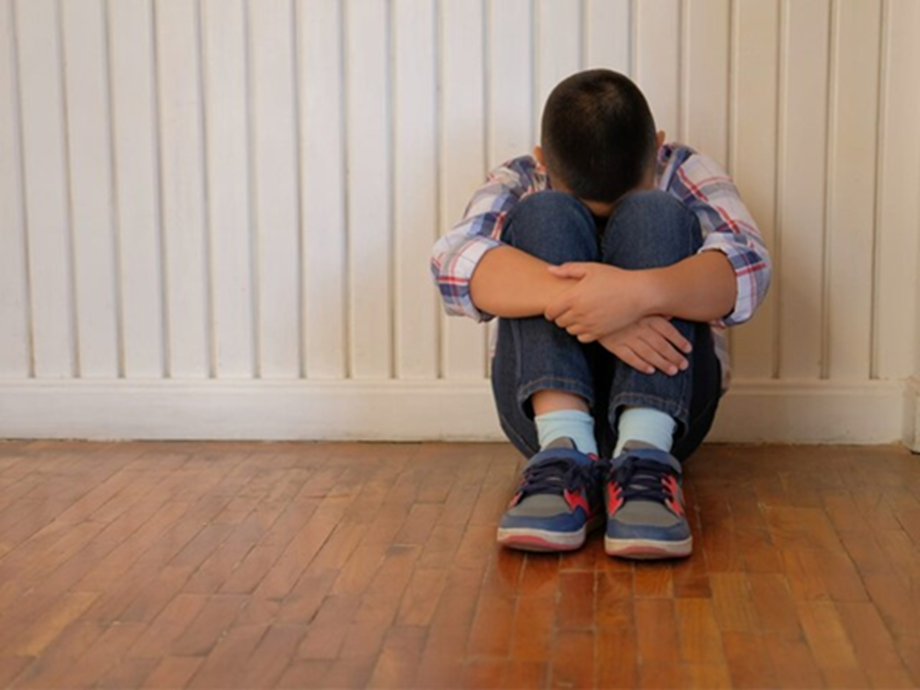
Neha is ready to return to the office after a four-year career break, but her only concern is her four-year-old daughter, Tara. Even during bathtime, Tara knocks on the bathroom door two to three times, or if you leave her sight for a while, she breaks down into tears. In such a situation, how can she stay away for seven to eight hours a day?

Neha's mother is there to take care of Tara, but Tara suffers from separation anxiety. Neha understands that separation anxiety is a part of children's development, typically beginning between eight and ten months of age and subsiding by the age of three. However, in some children, this fear doesn't go away easily. It can escalate, disrupting their daily routine and affecting family relationships.
This fear in children's minds is very dangerous.
A level of separation anxiety in children lasts only for a short time. For example, when you drop your child off at daycare or playschool, they may cry for a while, but then reconnect with their classmates as soon as you leave. However, sometimes this anxiety develops into a disorder. This is a fear that lasts beyond the normal age, lasting for weeks or months.
The child may refuse to go to school or have nightmares about separation. Symptoms that persist for more than four weeks are considered abnormal. If the child's reaction is so severe that they refuse to participate in normal activities, or if they experience frequent headaches, nausea, or extreme fatigue, these are signs of a serious condition. Consult a child psychologist or counselor immediately.
Understand their feelings
It's best to empathize with your child. Let them know that although you're leaving now, you'll be with them soon, or that your work is just as important. When you understand your child's feelings in this way, they feel that you understand their feelings. By confidently assuring them of safety, you can also create comfort for them. Parents often make the mistake of assuming their child's fears are justified and linger too long while comforting them or saying goodbye. This reinforces the child's belief that separation is unsafe.
Not Just a Child's Problem
Separation-related anxiety isn't unique to children. Parents also feel guilt, worry, or helplessness when leaving their child. Expressing these feelings openly can exacerbate their child's fear. Therefore, it's best to adopt a brief, definitive way of saying goodbye, such as a hug. When parents control their emotions, children internalize this and understand that separation is normal and safe.
Practice This Way
Infants and young children (6 months - 3 years): Go to another room for a few minutes and then return. This builds confidence that you'll be back.
Preschoolers (3–5 years): Reading stories about goodbyes helps them take it more naturally.
School-age children (6+ years): Talk together about what they do when they miss you. You can leave them a small token (like a family photo or a note in their lunchbox).

Keep these things in mind:
Don't sneak away; doing so breaks trust.
Don't overly show your guilt.
Don't suppress your child's emotions; saying things like, "Stop crying, it's okay," will make them submissive.
When your child handles themselves well throughout the day, praise their efforts.
PC Social Media