Parenting
Parenting Tips: Establish These 7 Rules at Home—Your Children Will Always Remain Disciplined and Achieve Great Success in Life..
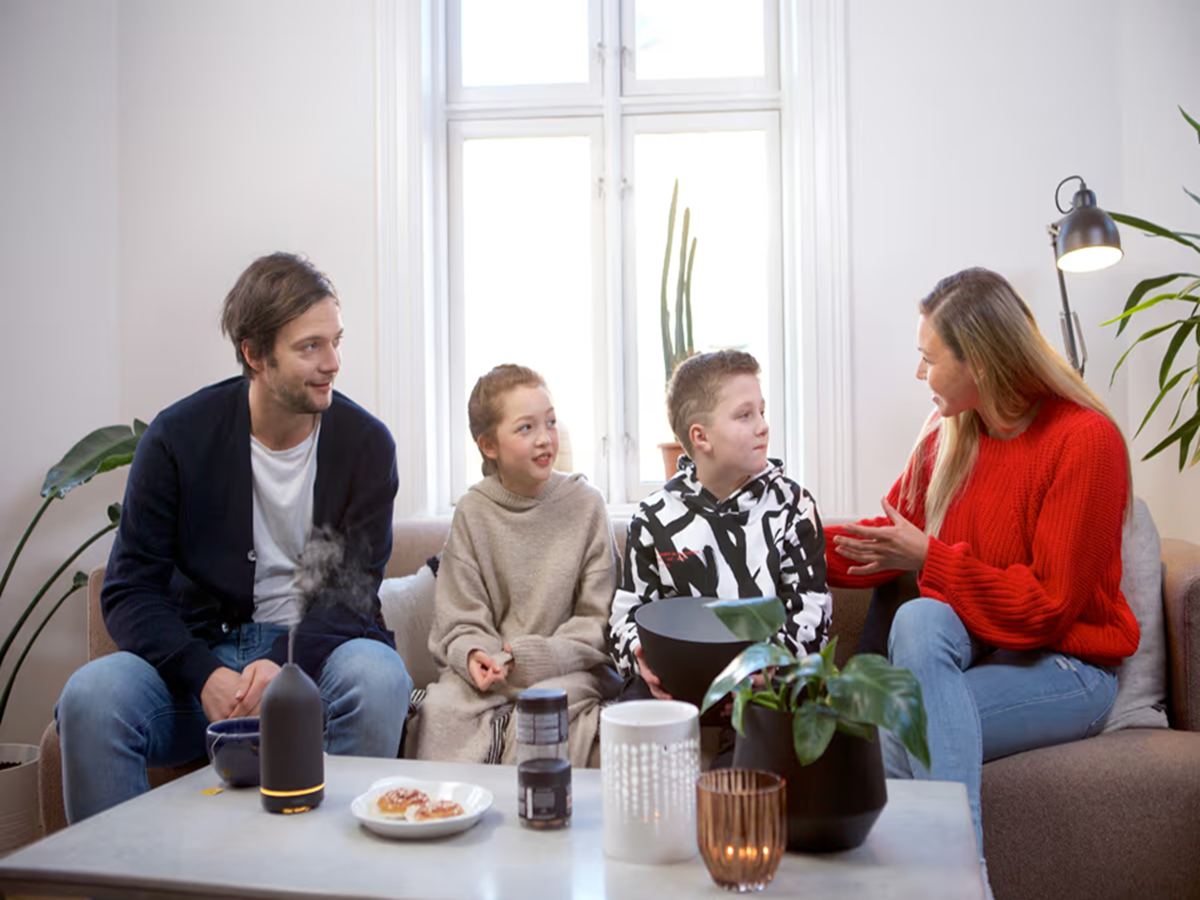
Parenting Tips: Establishing rules within the family fosters a sense of discipline in children, which benefits them in the long run. It helps children acquire good values, cultivate lasting habits, and learn manners that set them apart from others. Every home should have family rules designed to instill good values and habits in children. This not only helps them navigate the hustle and bustle of daily life but also aids in their development into disciplined, well-rounded individuals. Getting children to follow rules can sometimes be challenging; however, here are some rules that, when explained with logic and reason, children are likely to accept and follow...

Greet with a Smile: According to a report by the Moneycontrol website, this trait characterizes a child who is polite, kind, and respectful. Children should be taught to greet everyone with a smile—not just those they know. This helps them build better social relationships filled with warmth and positivity.
Say "Please" and "Thank You": A child with good manners often stands out from the crowd. It is essential to teach children politeness and to express gratitude by saying "Thank You." It is also highly beneficial to teach them to say "Please" whenever they require assistance. This contributes significantly to their development as well-rounded individuals.
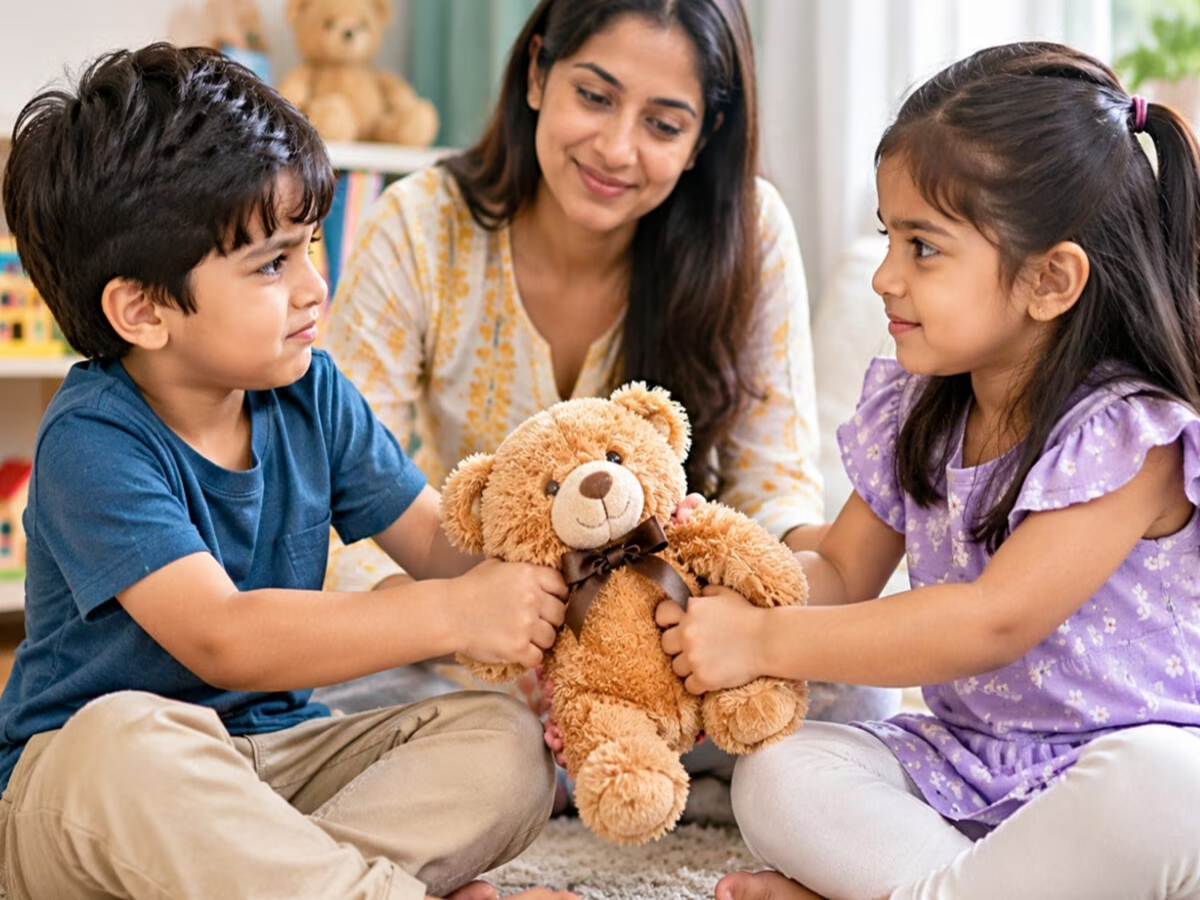
Clean Up After Play: Children should clean up immediately after playing or attending a party. They must understand that cleaning up the mess they have created is their own responsibility, and that delaying the cleanup only fosters laziness. They should make their own beds and clean up any spills or dropped items themselves, as this teaches them self-reliance and the importance of not being dependent on others.
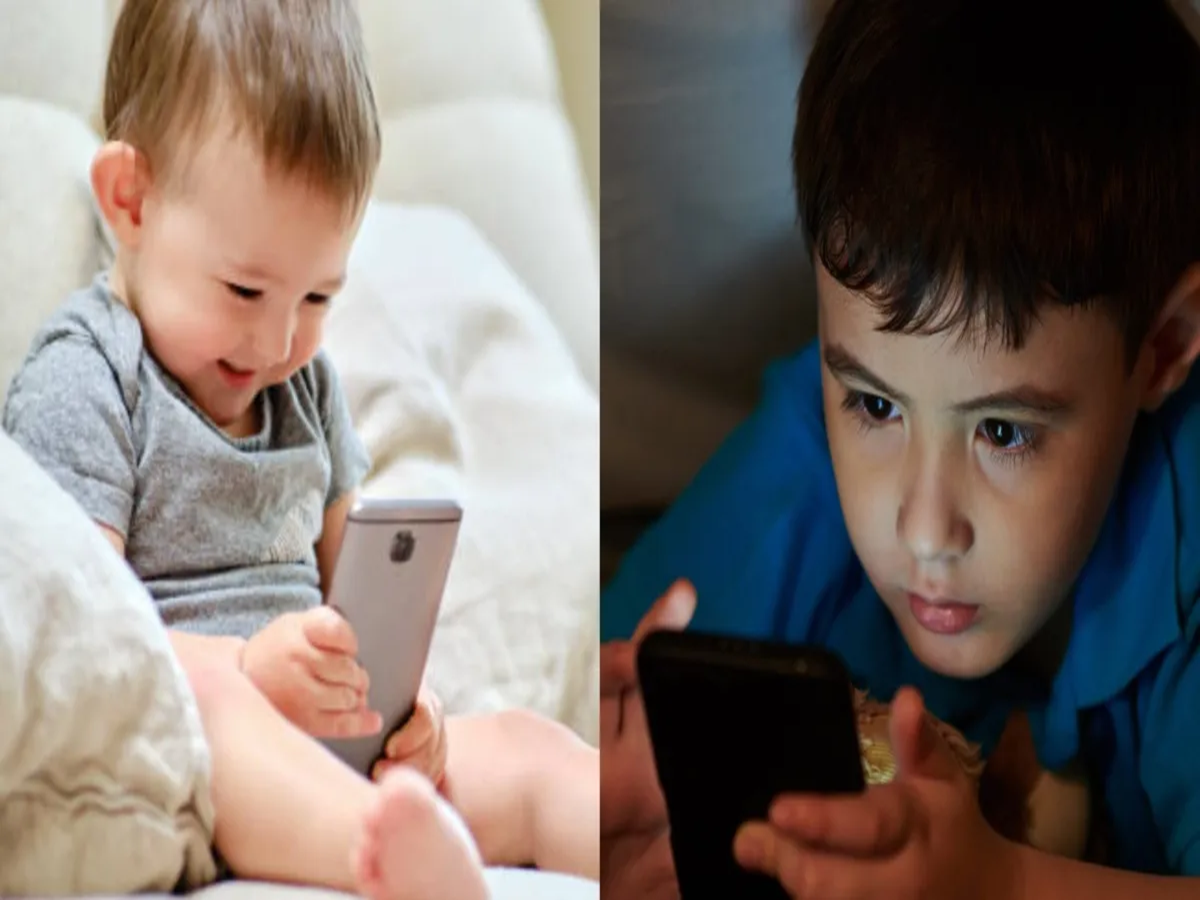
Limited Screen Time: Setting limits on screen time for children may seem difficult, but it is crucial for their physical and mental well-being. Encourage them to engage in activities such as playing outdoors, reading books, or playing games with the family. This not only keeps them happy and away from screens but also helps them cultivate a diverse range of interests. Responsibility: Wasting food or treating one's belongings with carelessness—thereby causing them damage—is disrespectful. Children should be taught to value the things they possess. This allows them to grow up with a sense of gratitude, become more responsible, and learn to appreciate both the small and significant things in life.
Be Honest: Teaching children the importance of honesty and speaking the truth—even when it is difficult—strengthens the foundation of their lives. They learn to acknowledge their mistakes, learn from them, and strive to do better. Instilling this lesson during childhood makes it easier for them to recognize their strengths and understand where improvements could have been made.

Speak with Compassion: Teach children to speak with humility, compassion, and empathy. They should be encouraged to refrain from using harsh words. This enables them to build strong relationships that last a lifetime. It becomes even easier for children to internalize this lesson when they observe their parents practicing it themselves.
PC Social Media