Parenting
Parenting Tips: How to stop children from hitting, biting, or pulling hair? A pediatrician shared an easy method..

Parenting Tips: Sometimes children start hitting their parents, pulling their hair, or biting them. Parents often mistake this for misbehavior or stubbornness. Over time, this behavior in children increases, making it difficult for parents to control. If you are also experiencing this – that is, your child is irritable and hits, bites, or pulls your hair – then this article might be helpful for you. Pediatrician Anuradha shared a video on her Instagram handle. In this video, the doctor has explained an easy way to break this habit in children. Let's learn about it –
Why does a child do this?
Answering this question, the doctor says that toddlers, i.e., children aged 1 to 3 years, not have fully developed the ability to express their emotions in words. They cannot say that they are angry, scared, or need space. In such situations, they express their feelings by hitting, biting, or pulling hair. That is, doing this is a way for children to express their emotions. Fatigue, hunger, excessive noise, having a toy taken away, or copying someone else can also be reasons behind this behavior.
Why shouldn't you punish for hitting?
Dr. Anuradha explains that punishing or scolding a child teaches them to be afraid, not to understand. Punishment doesn't foster empathy; it can actually increase anger. Therefore, shaming or scaring the child is not the right approach.
How to handle it correctly?
Number 1 - Talk calmly
First, calm yourself down and try to calm the child as well. Gently hold the child's hand and say clearly, "I won't let you hit me."
Number 2 - Pay attention to facial expressions
Sometimes parents laugh at the child's behavior, which makes the child think it's funny. Therefore, never smile when the child hits you. Maintain a straight and serious face and say clearly, "No hitting, only gentle hands." This helps the child understand that this behavior is wrong.
Number 3 - Name the feelings
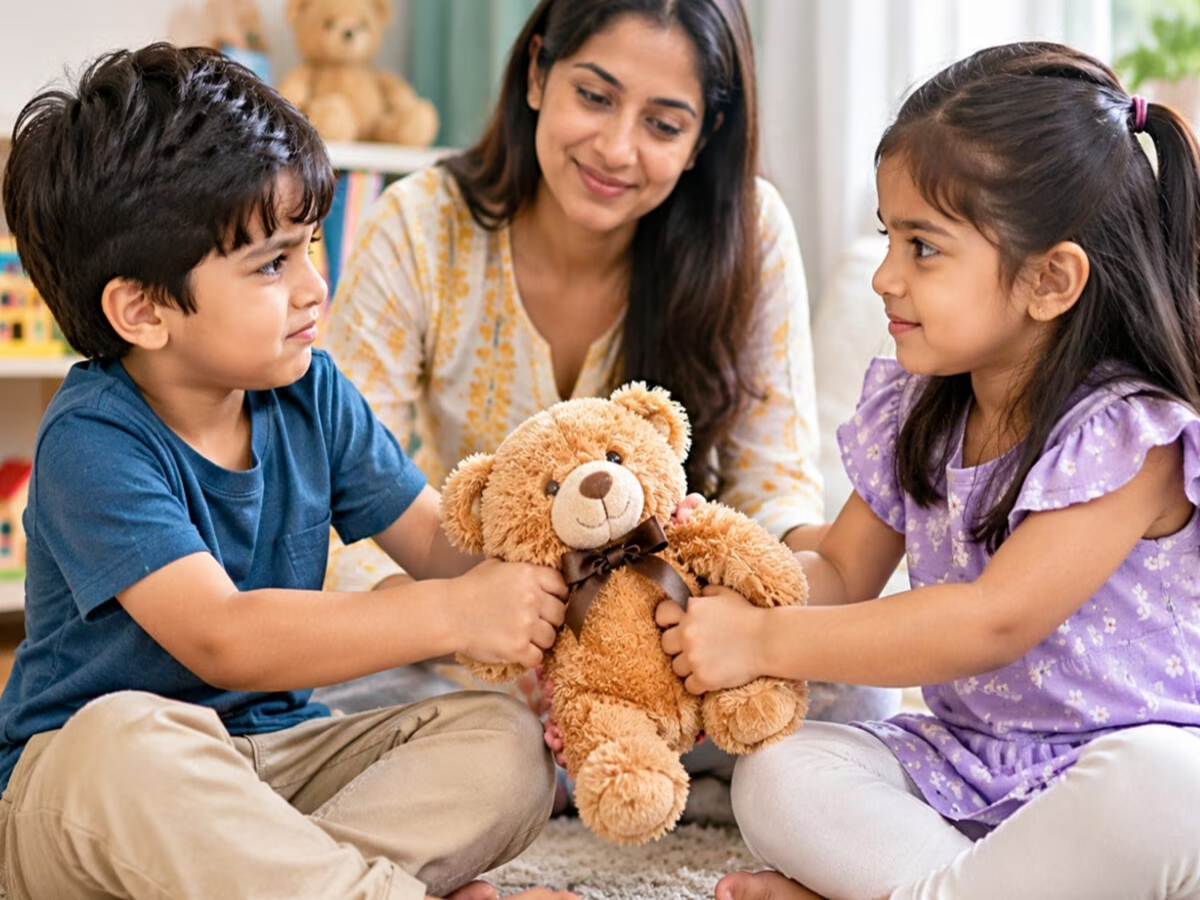
Then, name their emotion, such as, "You're angry because I took the toy." This helps the child understand that their feelings are being acknowledged. Tell the child what they can do when they're angry, such as stomping their feet, squeezing a pillow, or saying "stop."
Number 4 - Distract and demonstrate the right way
Simply telling a child "don't do that" isn't enough. Redirect their attention to something else and then demonstrate the correct way to touch gently, such as stroking their hand or giving a hug. Children learn more easily by seeing the correct behavior.
Number 5 - Avoid overtiredness and hunger
Children often hit when they are very tired, hungry, or in a noisy or crowded environment. Therefore, pay attention to your child's sleep, meals, and rest. Overstimulation can make children irritable.
PC Social Media