Parenting
Parenting Tips: If you want your child to become responsible, give up these 5 discipline methods today..

Parenting Advice: I often wonder—what is the best way to teach a child the difference between right and wrong? It is only natural to feel angry when a child repeatedly makes the same mistake, leaves the room in a mess, or ignores what you say. Scolding or punishing them often seems like the easiest route in those moments. But does this truly make the child responsible?
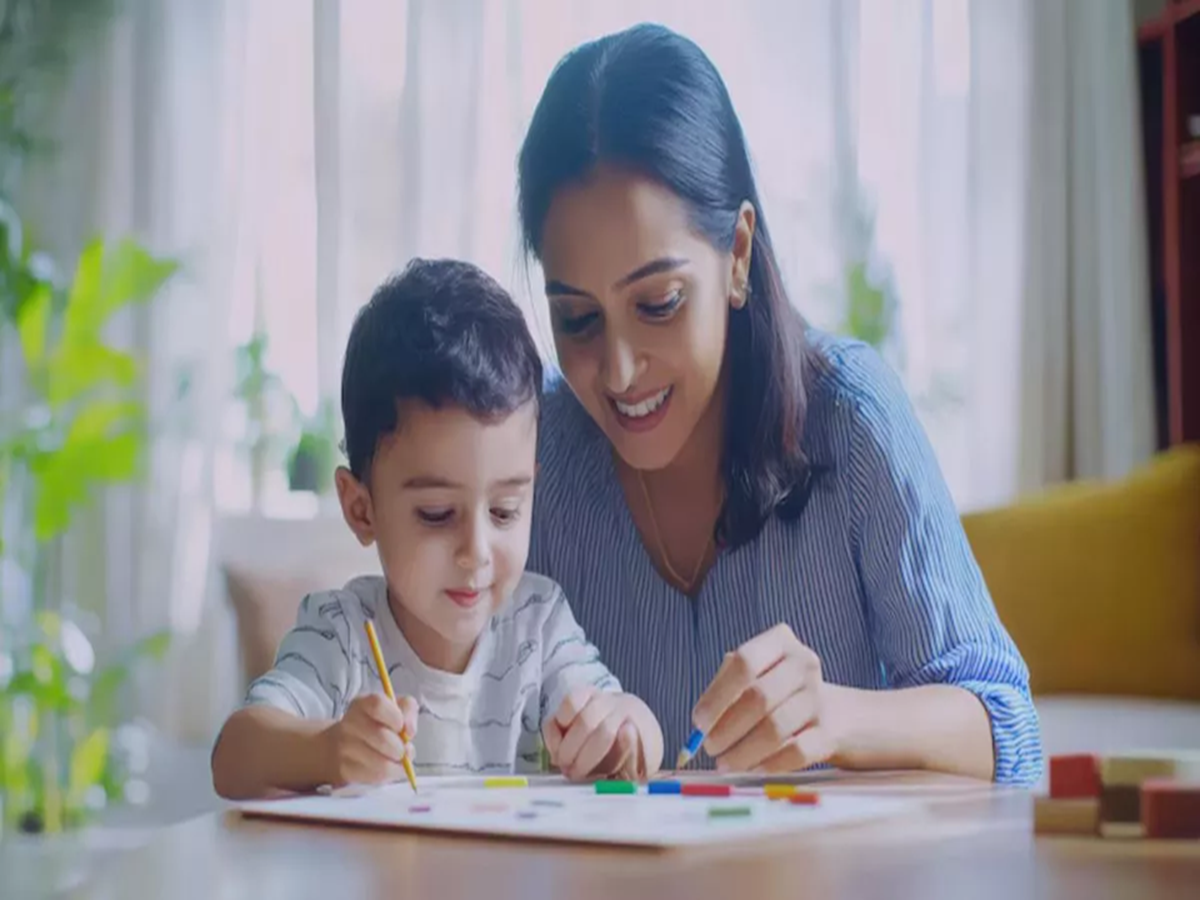
Parenting experts say: not always. Often, these very habits can drive a child away and undermine their self-confidence. If you want to raise a sensible and responsible child, it is time to rethink these five disciplinary methods.
1. Yelling at every turn
Raising your voice when a child makes a mistake might seem effective in the moment, but the long-term impact is rarely positive. Constant yelling makes the child fearful and hesitant to express themselves openly. Many children start hiding their mistakes to avoid being scolded, which can erode the trust between parent and child.
2. Taking away favorite things for every mistake
In many households, privileges like TV, mobile phones, video games, or outdoor play are revoked as punishment. However, instead of reflecting on their mistake, the child focuses only on what has been taken away. Over time, this can breed anger and resentment. Experts suggest that explaining the reason for the mistake and its consequences is a far more effective approach.
3. Hitting or physical punishment
Some people still believe that a light spanking helps a child learn faster. However, psychologists state that physical punishment instills fear rather than understanding. It can damage a child's self-confidence and potentially lead to aggressive behavior later in life. Therefore, one should avoid resorting to physical discipline under any circumstances.
4. Shaming or giving the silent treatment
Saying things like "You'll never amount to anything" or "You are so lazy," or simply refusing to speak to the child out of anger, constitutes emotional punishment. Such words can leave a deep, lasting impact on a child's mind. The child begins to view themselves negatively and becomes less inclined to try learning new things. Experts advise discussing the mistake itself while avoiding comments on the child's personality.
5. Constant interruptions and scolding
If a child is constantly interrupted over every minor issue throughout the day, they eventually stop listening altogether. Constant scolding does not foster a sense of responsibility; instead, the child learns to tune things out. It is better to establish household rules in advance and give the child the opportunity to fulfill their responsibilities.
What does the research say?
A longitudinal study involving approximately 7,500 children in Ireland found that those subjected to harsh discipline and frequent shouting at home during their early years faced an increased risk of mental health issues later in life. Additionally, an analysis of 75 studies covering over 160,000 children revealed that physical punishment could heighten the risk of aggressive behavior, anxiety, and mental stress.
The right way to foster responsibility in children
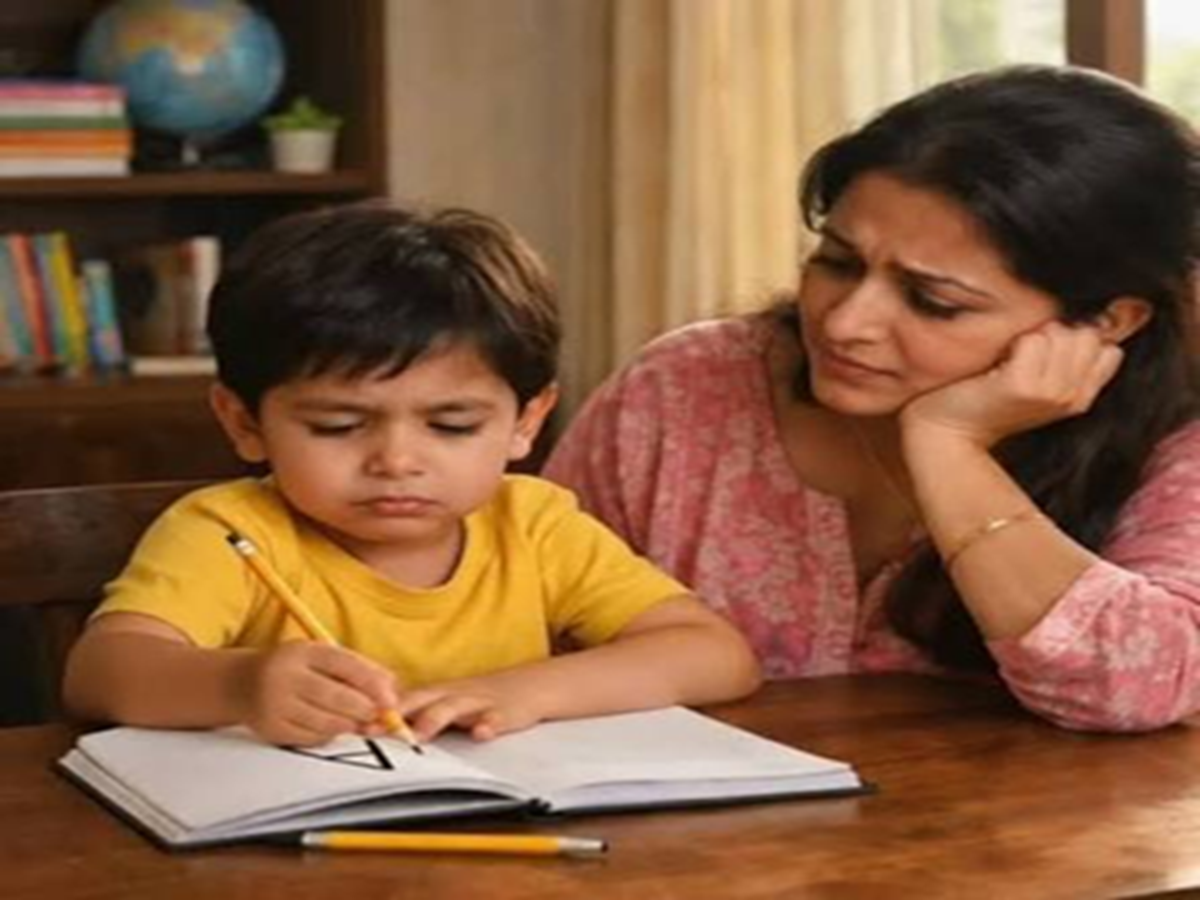
Parenting experts believe that children learn best when guided with love, patience, and respect. Discuss their mistakes calmly, suggest the right course of action, and give them a chance to rectify the error. A child truly becomes responsible only when they begin to understand the consequences of their own decisions. Remember, good values are cultivated through trust and proper guidance, not through fear.
PC Social Media