Parenting
Parenting Tips: If your child is also developing crooked teeth, keep these points in mind..

The shedding of milk teeth (baby teeth) is a normal part of a child's physical development, yet parents are often unsure about this transition. At what age do milk teeth start falling out? When do all permanent teeth emerge? Under what circumstances is it necessary to consult a doctor? Dentist Dr. Moin Khan has shared important information addressing these questions.
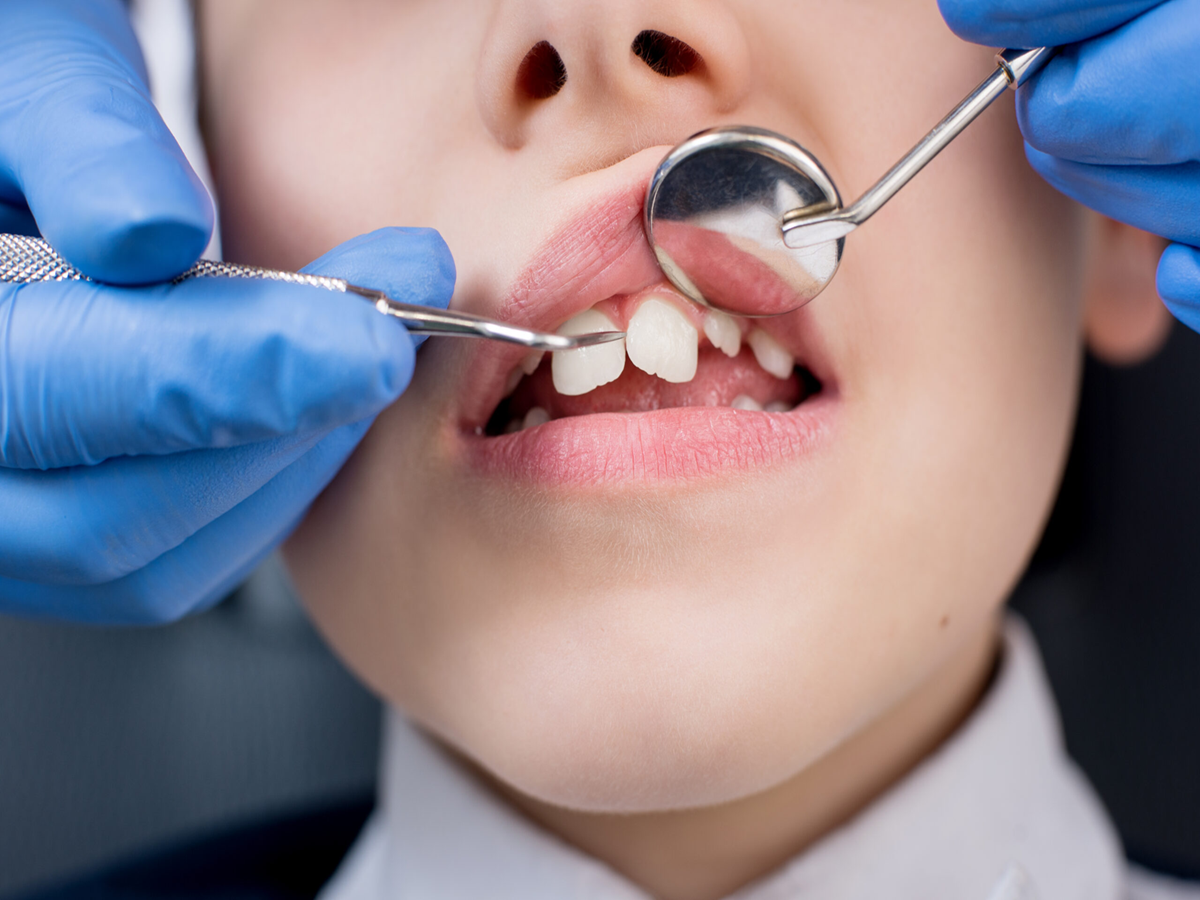
Dr. Moin Khan explained that children's milk teeth usually begin to fall out around the age of six. This process occurs gradually, and by the age of twelve, most milk teeth have been replaced by permanent teeth. The lower front teeth are the first to fall out, followed by the upper front teeth.
He noted that every child develops differently; consequently, some children may lose their teeth slightly earlier or later than others. However, if teeth do not start loosening by the age of seven or eight, or if permanent teeth begin to emerge while the old milk teeth remain in place, the situation should not be ignored.
**Why do crooked teeth develop?**
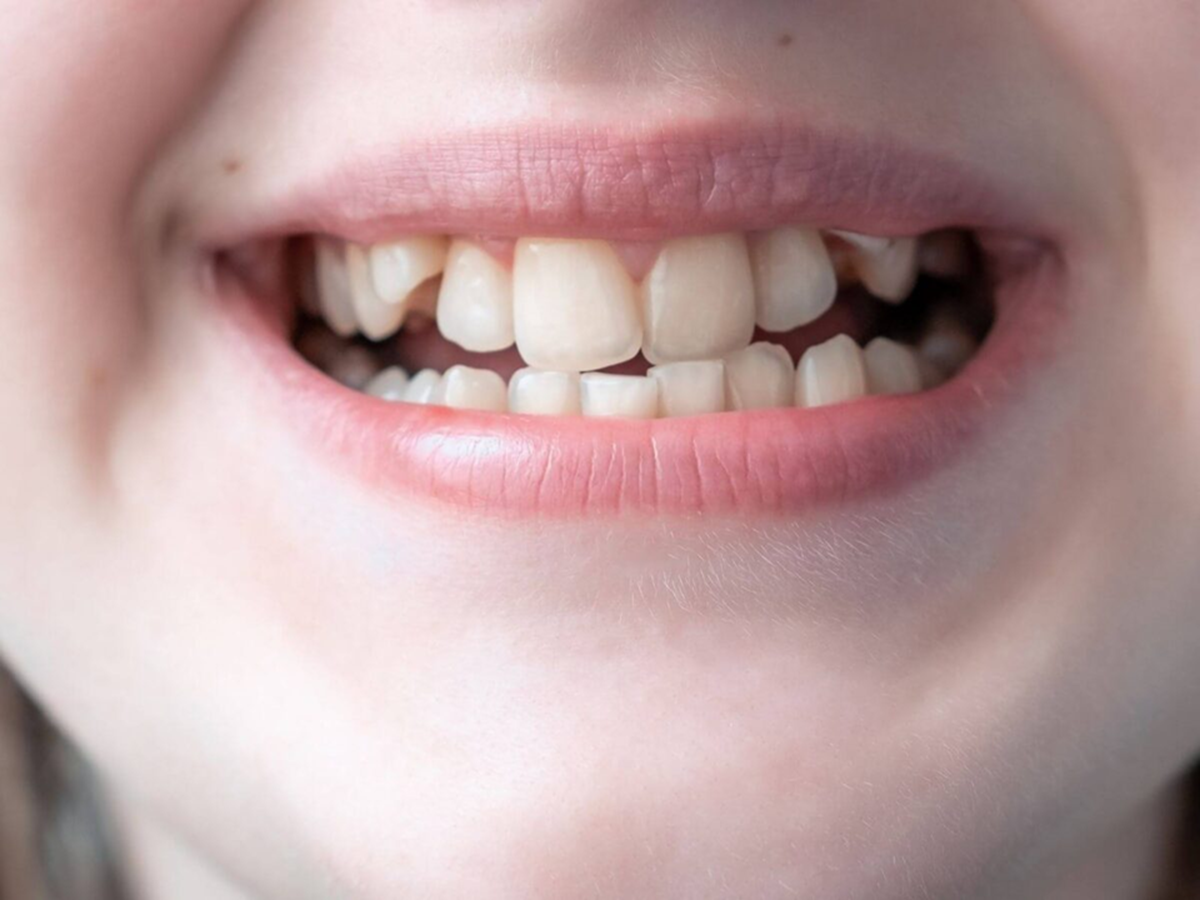
According to Dr. Khan, milk teeth sometimes fail to fall out on time, which can cause permanent teeth to erupt in a crooked or misaligned manner. This can compromise dental alignment in the future and may necessitate orthodontic treatment, such as braces. Timely check-ups can help prevent such issues.
**Regular monitoring of children's teeth is essential**
He emphasized that parents should regularly monitor their children's teeth. If symptoms such as tooth pain, swelling, excessive loosening, bleeding gums, or an unusual delay in tooth eruption are observed, a dentist should be consulted immediately.
**Caring for milk teeth is just as important as caring for permanent teeth**
Dr. Moin Khan also advised that the care of milk teeth is just as crucial as the care of permanent teeth. Many parents become negligent, thinking that milk teeth will eventually fall out anyway; however, these teeth are essential for children to learn how to chew food properly and speak correctly, and they help create the necessary space for permanent teeth.
Brushing twice a day is essential
Children should cultivate the habit of brushing twice a day and undergo regular dental check-ups. Timely care and professional dental advice can keep children's teeth healthy and help prevent various dental problems in the future.
PC Social Media