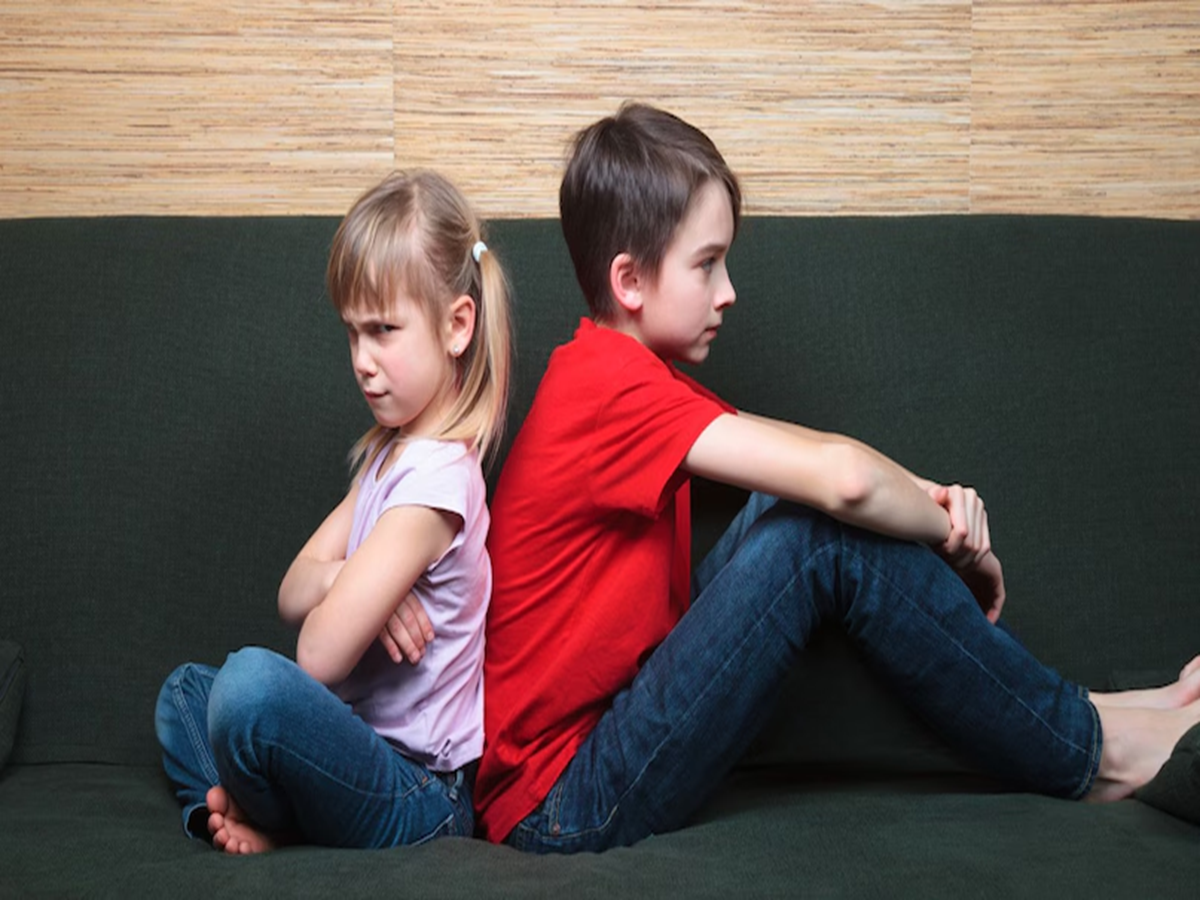
Causes of Sibling Fights: When there are two children in a household, squabbles often arise—sometimes over toys, sometimes over the TV remote, or even over who their parents love more. Such bickering between siblings is quite common. However, certain habits of parents can sometimes exacerbate these conflicts. Over time, this resentment can evolve into jealousy, estrangement, and a growing distance in their relationship.
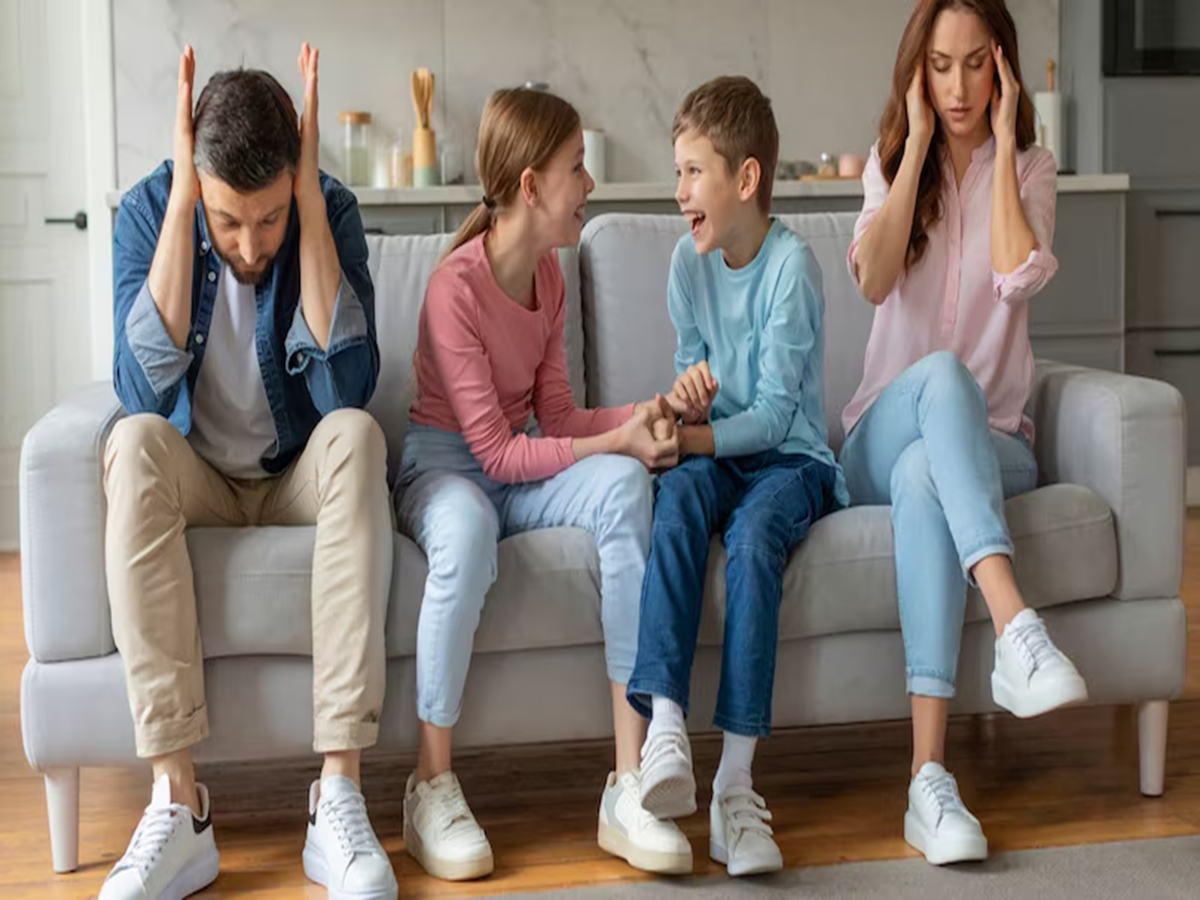
Experts suggest that it is essential to teach children to respect each other's feelings and to resolve disagreements through communication. This process begins within the home environment. Let’s look at five parental habits that require careful attention:
1. Constantly comparing children—Phrases like "Look at how well your sister writes," "Learn something from your brother," or "At your age, he used to do everything on his own" are often used by parents with the intention of encouraging their children to do better. However, every child has their own unique strengths, weaknesses, and pace of learning. Constant comparison can lead a child to feel that, in their parents' eyes, they are inferior to their sibling. This can also foster jealousy toward the other child. Instead of making comparisons, praise each child for their own individual effort and progress. Every child should feel that they possess their own distinct identity and strengths.
2. Consistently taking the same child's side—If, during a conflict, parents blame the older child or automatically side with the younger one without hearing the full story, it can breed resentment in the child who feels unheard. They may begin to believe that their perspective does not matter. Therefore, remember that being younger does not automatically mean a child is in the right; conversely, being older does not mean that the older child is solely responsible for every mistake.
3. Placing excessive responsibilities on one child—Often, an older child is expected to look after a younger sibling, share their belongings, and always act maturely. While teaching responsibility is positive, consistently expecting the same child to make compromises can leave them feeling overlooked. Conversely, it is equally unhelpful to excuse every mistake made by a younger child, as this prevents them from learning to take responsibility. Establish clear household rules that apply to both children. Assign responsibilities appropriate for their respective ages, but avoid placing the burden of constant sacrifice on just one child.
4. Passing immediate judgment during children's squabbles—Parents often intervene in arguments between children and deliver a verdict without fully understanding the situation. While this may stop the conflict in the moment, it prevents children from learning how to resolve problems on their own. If the disagreement does not pose a risk of harm, give both children the chance to express their perspectives. Ask them to propose solutions that are fair to everyone involved. However, intervene immediately if the situation escalates to physical aggression or results in injury.
5. Belittling one another in front of the children—When parents mock a child’s mistakes, label them as "useless," or repeatedly embarrass them in front of their sibling, it can severely damage the child's self-esteem. Children often learn how to handle disagreements by observing the adults in their home. Instead of saying, "You are so bad," explain why a specific action was wrong and discuss what the child could do differently next time.
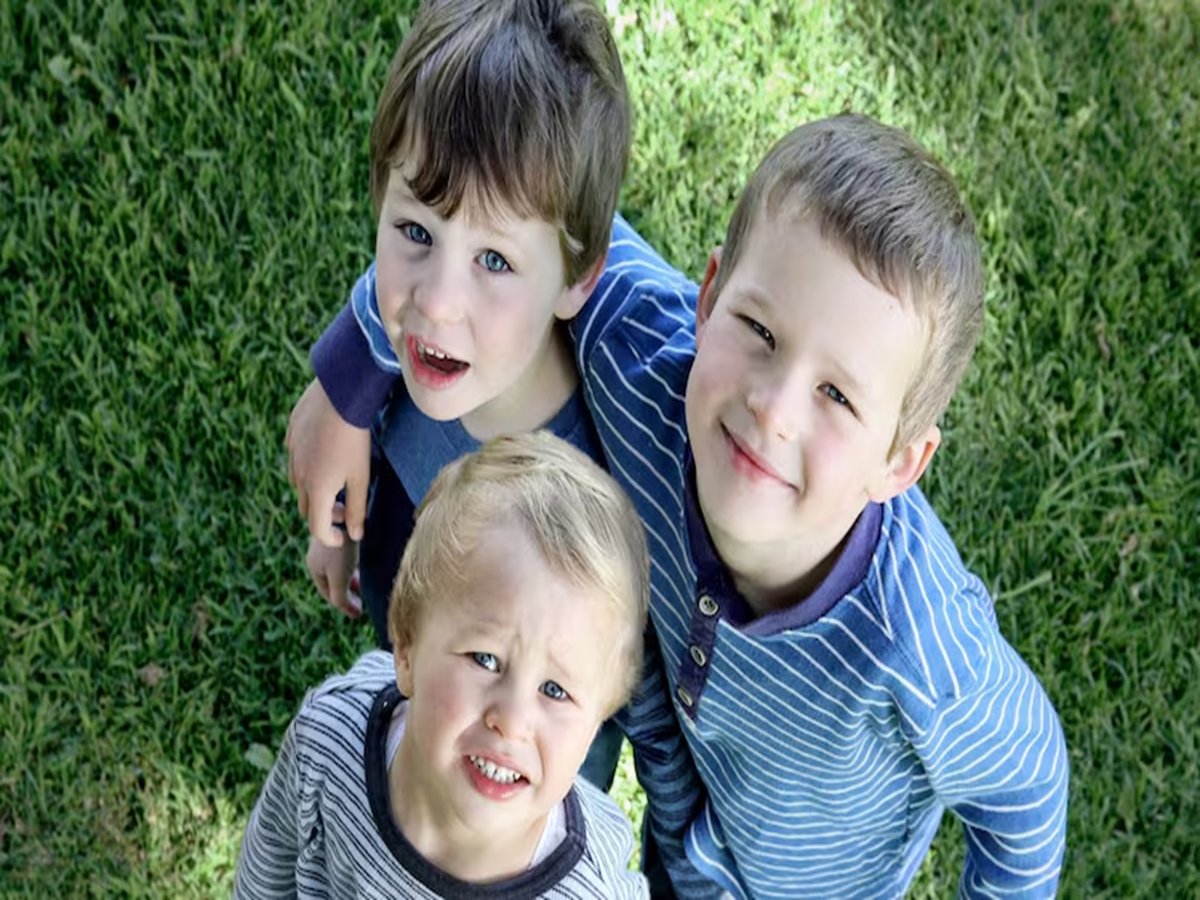
How can the sibling bond be strengthened?—It is not realistic to expect children to always get along or be in complete agreement; occasional conflicts are normal. What matters is that children learn to respect one another, even when they disagree. Remember, you cannot force children to be each other's best friends. However, they can certainly be provided with a better, safe environment where they can express their feelings openly, learn to acknowledge their mistakes, and apologize to one another when necessary. Over time, these habits can help strengthen their relationship.
PC Social Media