Parenting
Parenting Tips: Why do hatred and jealousy grow in children? Parents must know these things..
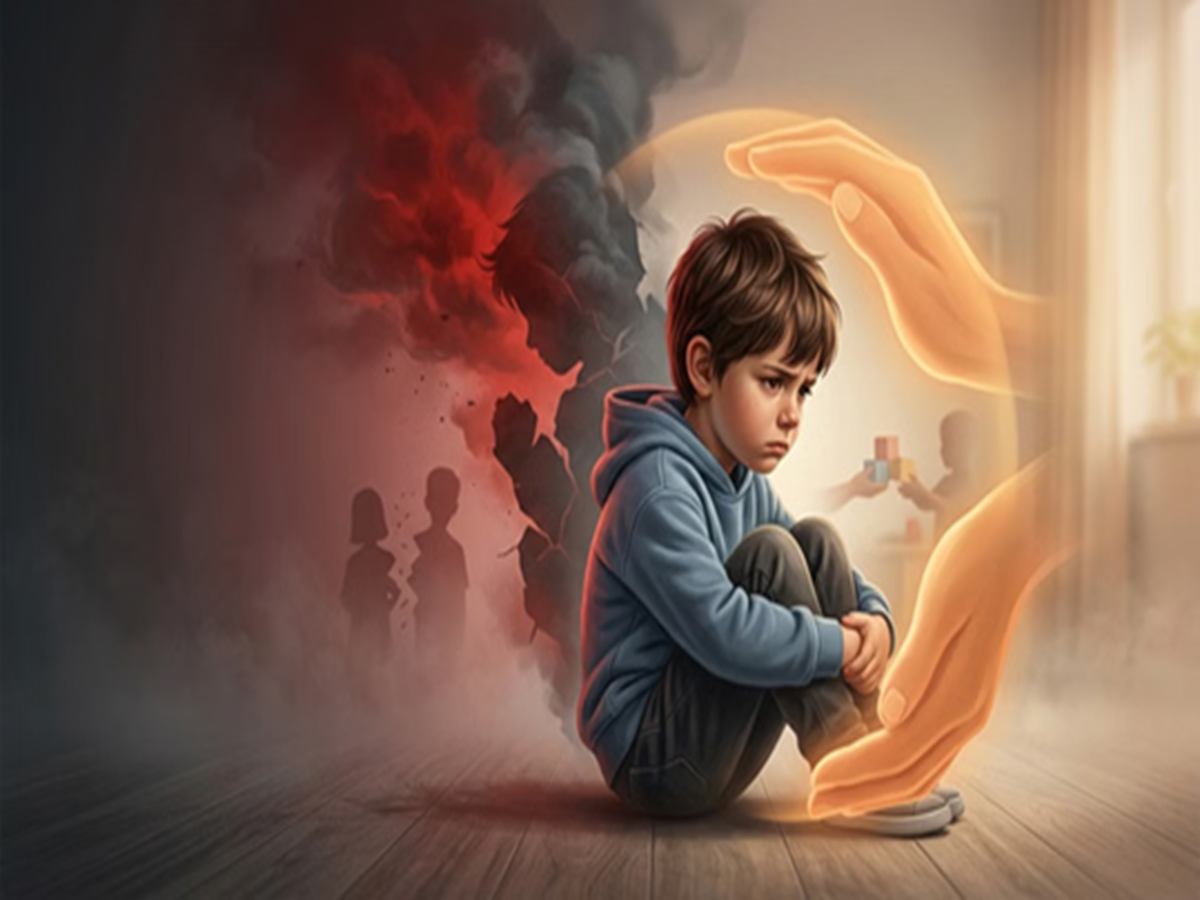
Child Psychology: Every parent wants their child to grow up to be kind, sensitive, and respectful of others. However, children sometimes get angry over trivial matters, feel upset by others' success, or display negative behavior toward certain individuals.
This raises the question: are feelings of malice or hatred innate in children, or do they develop over time? According to child psychology, young children learn to understand and express their emotions gradually. Complex emotions like malice typically develop from their experiences, environment, and social learning, rather than being present at birth.
Factors such as the family environment, parental behavior, school experiences, peer influence, and constant comparisons shape a child's mindset and emotional development. If a child is repeatedly made to feel humiliated, ignored, or constantly told they are inferior to others, feelings of insecurity, jealousy, and malice can take root.
Through proper guidance, open communication, and positive parenting, children can be taught to understand and manage their emotions healthily.
Children learn best by observing and listening.
Children learn not just through verbal explanation, but also by observing the behavior of adults.
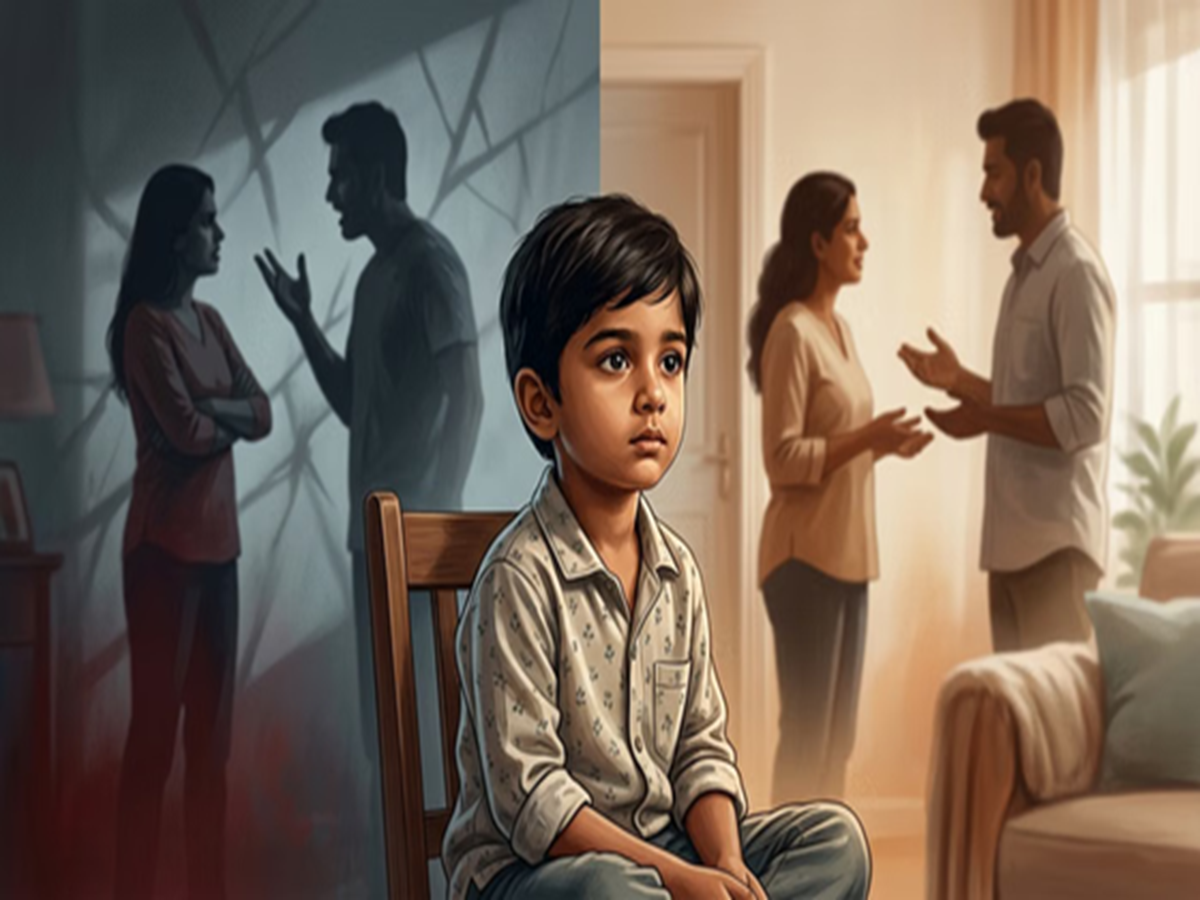
If a child frequently witnesses arguments, harsh language, disparagement of others, or discrimination at home, they may come to view such behaviors as normal.
Conversely, an environment characterized by respectful communication, cooperation, and empathy fosters positive emotional development.
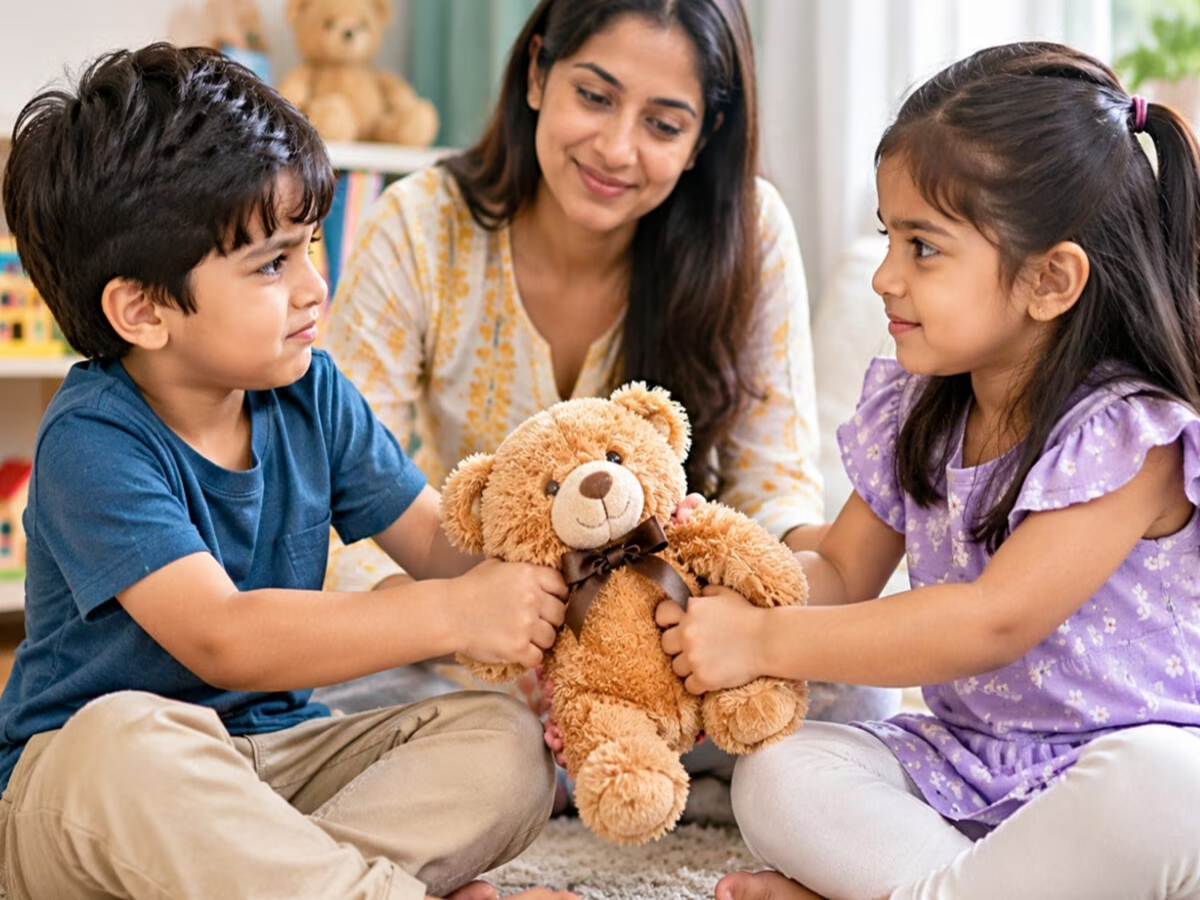
Constant comparison can breed negative emotions.
Remarks like "Your friend is better than you" or "Your sister always does well" can undermine a child's self-confidence.
Constant comparison can lead some children to develop jealousy, feelings of inferiority, and a negative outlook toward others.
It is better to compare a child's progress only against their own past performance.
Neglect and emotional distance can also be contributing factors.
When a child feels unheard or deprived of sufficient affection and attention, they may harbor negative emotions within themselves. Regular conversations, listening seriously to their feelings, and appreciating their efforts foster a sense of emotional security.
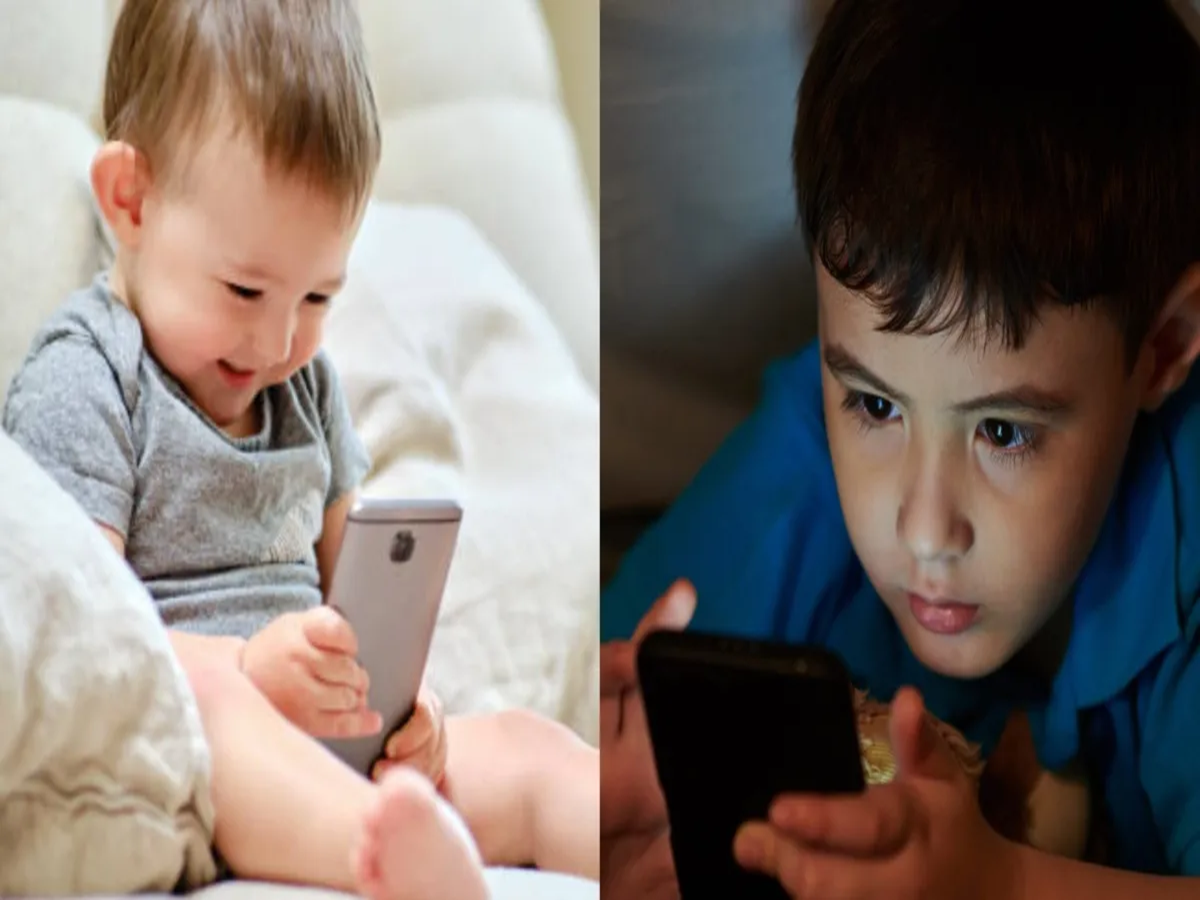
Social media and the surrounding environment also play a role.
Nowadays, children learn a great deal from the internet, TV, games, and peers, in addition to their families.
Repeated exposure to aggressive behavior, abusive language, or discriminatory messages can influence their own conduct.
Therefore, parental guidance and the selection of age-appropriate content are crucial.
What can parents do?
Listen carefully to the child.
Acknowledge their feelings and discuss them calmly.
Avoid making comparisons.
Practice respectful language and behavior at home.
Encourage habits of empathy, cooperation, and sharing.
If a child's anger, aggression, or feelings of hatred persist and affect their daily life, consulting a qualified child psychologist or mental health professional can be beneficial.
What signs should one look out for?
Constant anger or irritability.
Deliberately bothering others.
Persistent negative behavior towards a specific person or group.
Difficulty expressing emotions.
Withdrawing from friends or frequently getting into arguments.
Such signs do not always indicate a serious problem, but if they persist, it is wise to try and understand the underlying caus
PC Social Media