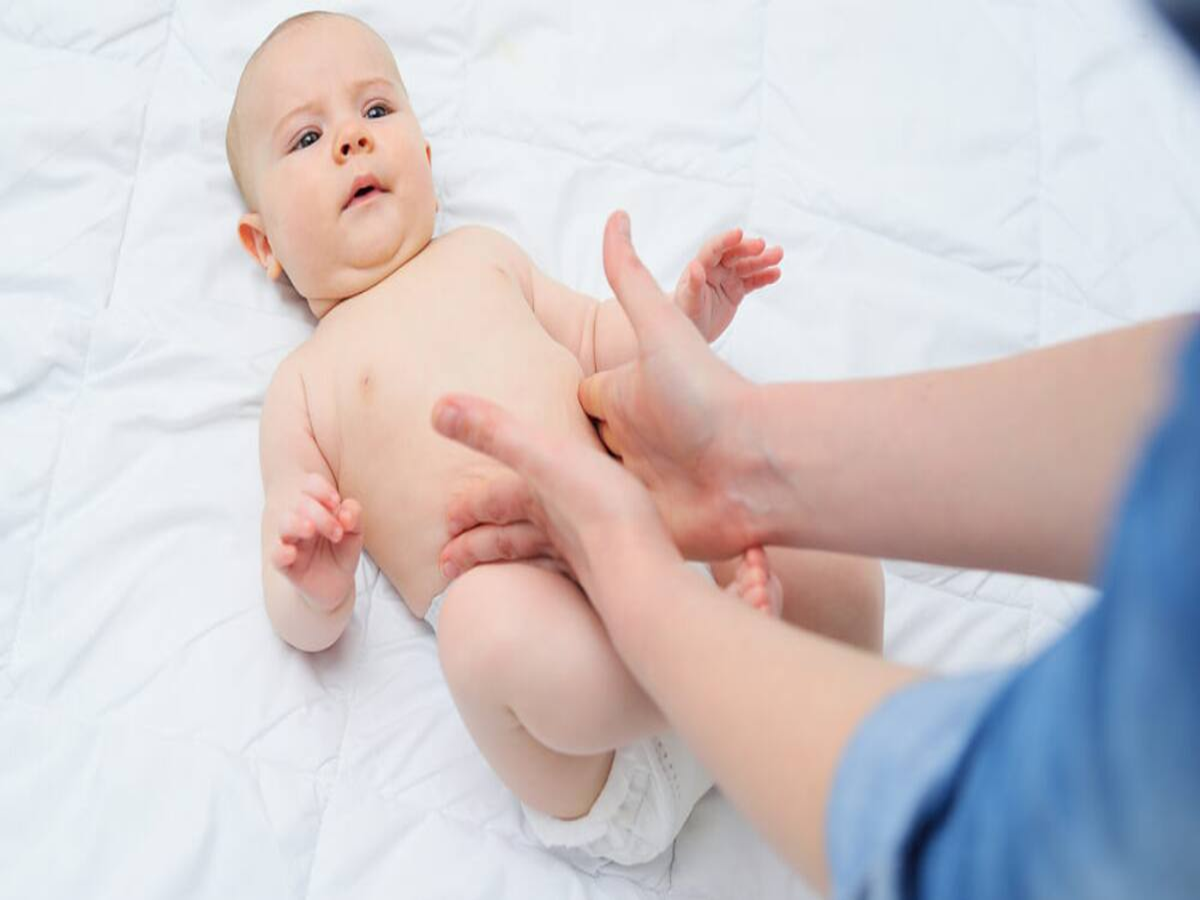
Behavioral Changes in a 1-Month-Old Newborn: Becoming a parent is one of the most beautiful experiences in the world. When a little guest arrives in the home, the entire family becomes engrossed in their tiny movements and activities. The initial 30 days—the baby's first month—are a time of learning and adjustment not only for the infant but also for the new parents. Parents often assume that a one-month-old baby does nothing but sleep and feed, but science suggests otherwise.

In reality, remarkable changes are taking place in the baby's brain and body during this month. If your baby has turned one month old, let’s look at five major developmental milestones identified by pediatricians that indicate good health and healthy brain development.
1. Gazing Intently at You: Is the Baby Starting to Recognize You?
Does your baby look at you steadily? At birth, a baby's vision is not fully developed. A one-month-old can only see clearly at a distance of about 8 to 12 inches. This is precisely the distance between a mother's face and the baby's face during breastfeeding.
At this age, the baby cannot see colors clearly, but they are fascinated by the outlines of human faces and the movement of eyes and lips. When the baby gazes intently at you, they are trying to imprint your face in their mind and learn to recognize you.
Discover the five key developmental milestones that indicate your little one is perfectly healthy!
2. Attempting to Lift the Head While Lying on the Tummy
At birth, an infant's muscles—especially those in the neck and spine—are very weak. However, by the time the baby completes one month, if you place them on their tummy (tummy time), they will attempt to lift or turn their head for a second or two. This small effort is proof that the muscles in their head and neck are strengthening. However, it remains crucial to support the baby's neck with your hand during this time.
3. Startling at loud noises and looking towards light
A one-month-old baby begins to learn how to use their senses. If a door slams shut or a utensil drops suddenly, the baby may startle and splay out their arms and legs (a reaction known as the Moro reflex).
Additionally, if a light is turned on in the room or sunlight streams in through a window, the baby turns their eyes toward the source. Startling at sounds and paying attention to light indicates the healthy development of the baby's hearing and vision.
4. Changes in crying patterns and ‘cooing’ sounds
In the very early days, a baby tends to cry in only one way, but as the first month draws to a close, their crying style begins to change. An observant mother gradually learns to distinguish whether the baby is crying due to hunger, a wet diaper, or a desire to be held.
Moreover, when you speak lovingly to the baby, they may try to make soft sounds like "oh," "ah," or "cooing" noises. This marks the very first step in the development of their communication skills.
5. Moving limbs vigorously and clenching fists
Does your baby kick their legs and wave their arms vigorously in the air after waking up? This is a strong sign of their activity levels. A one-month-old baby attempts to curl their fingers and clench their fists. When you place your finger in their palm, they grasp it tightly.
This demonstrates their grasp reflex and physical strength. Special Advice for Parents (Pediatrician Tip) –
Every child is unique, and their pace of development can vary. Some children reach these milestones a bit earlier while others take a little longer; this is completely normal.
When should you consult a doctor?
If your one-month-old baby does not react at all to loud noises, does not pay attention to light, appears excessively lethargic, or is unable to feed, contact your pediatrician without delay.
PC Social Media