Parenting
Parenting: Your mutual bickering can make children aggressive; find out what child experts say..
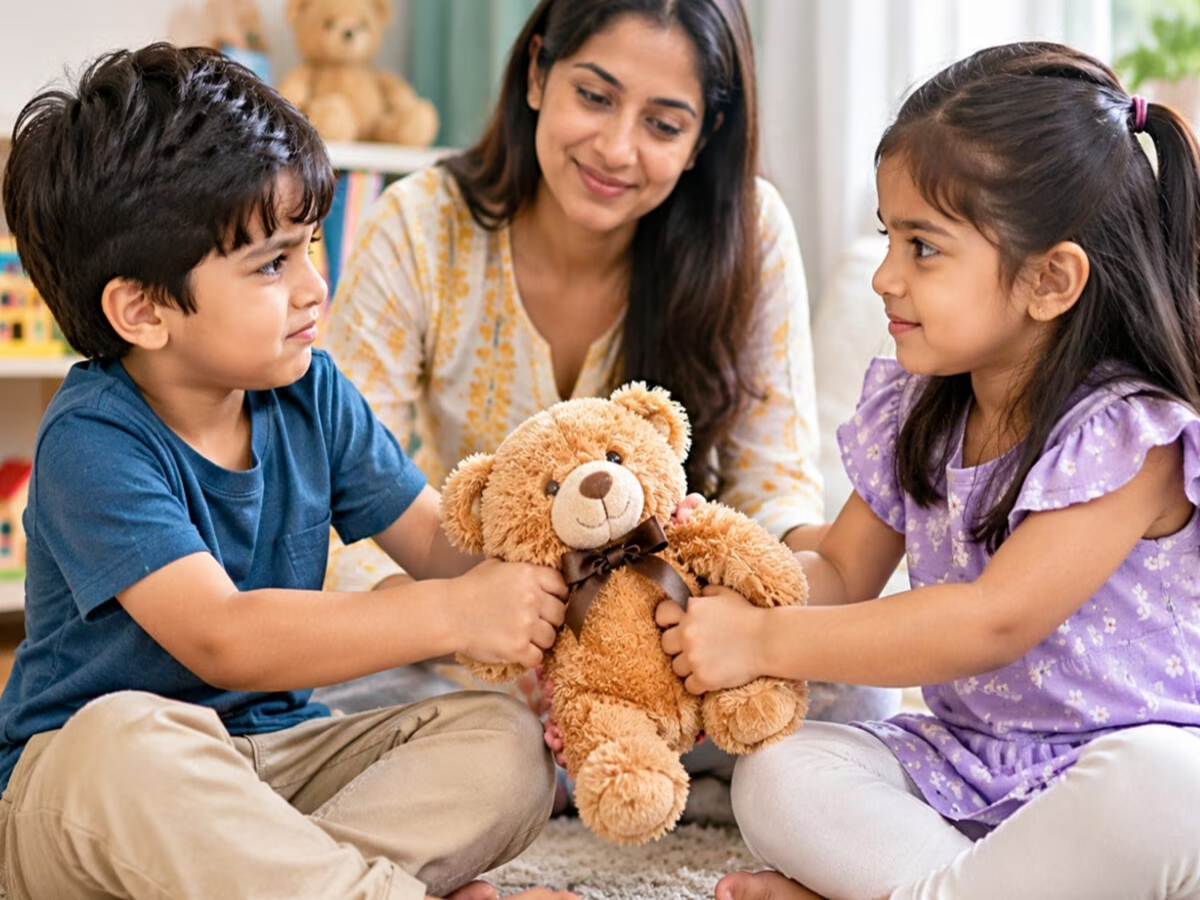
"If you don't listen to me, I won't invite you to my birthday party!" or "If you don't share your tiffin, I won't work on the project with you." It has become quite common these days to hear school-going children making threats or engaging in blackmail-like behavior. Parents and teachers often dismiss this as mere "innocent bickering" or "childishness." But have you ever wondered where children get the idea to pressure others in this way? According to child psychologists, the roots of this harsh reality often lie in the environment of our own homes.
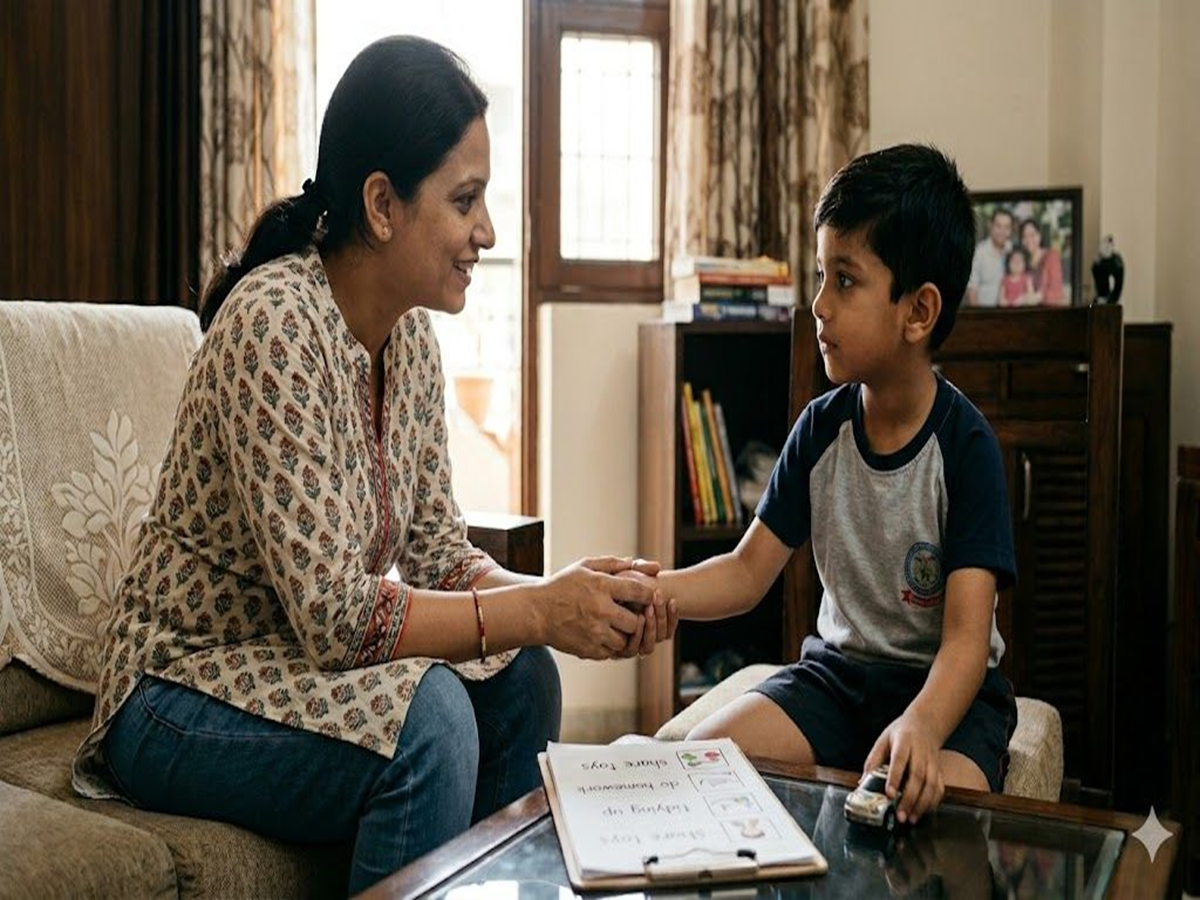
"Children don't do what we say; they do what we do!"
Recent research conducted in Denver shows that children closely mimic the adults in their lives. They do not merely learn what to say; they also keenly observe the methods adults use to get their way.
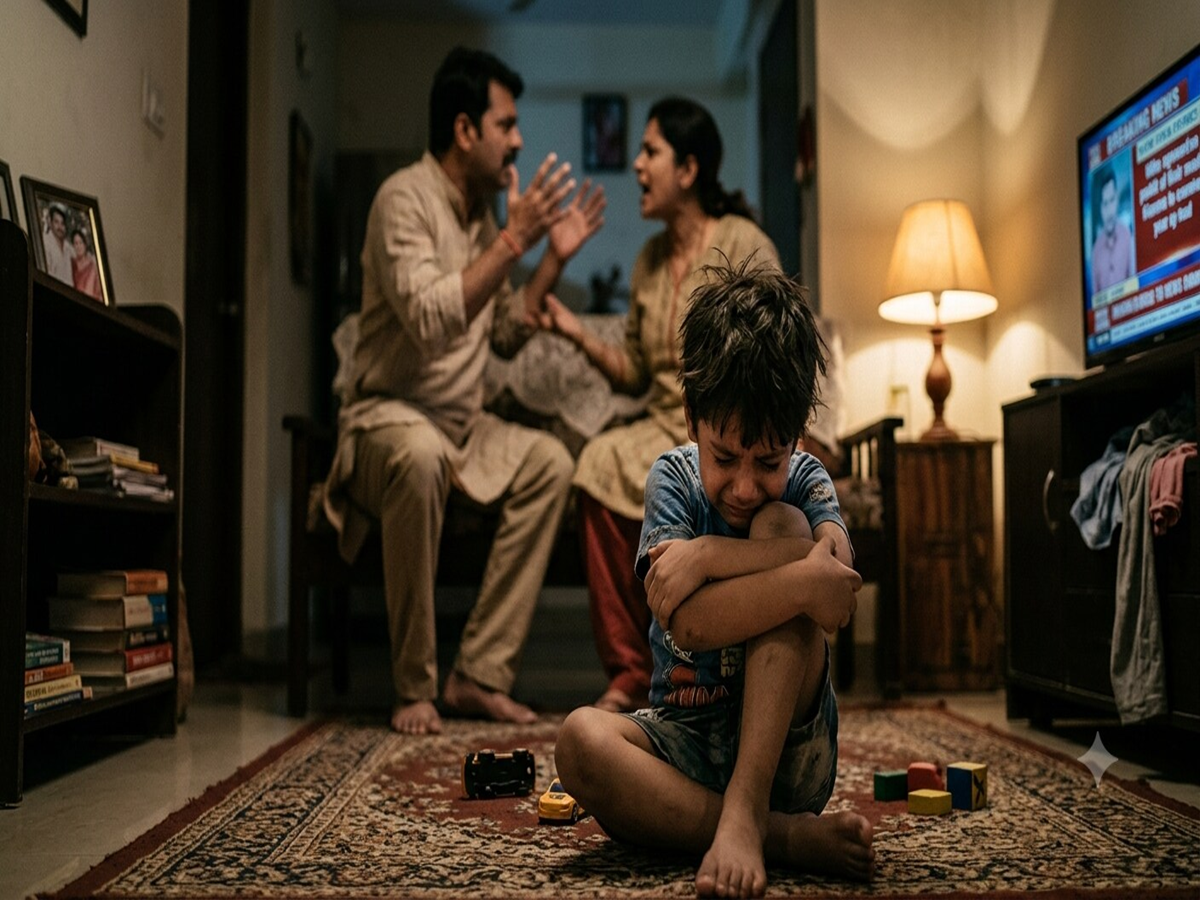
If parents at home threaten each other, use taunts, give the "silent treatment," or engage in emotional blackmail to get their point across, children unknowingly come to view these as acceptable behaviors. They learn that they can get what they want by bullying others or belittling them.
The Truth Behind the "Bobo Doll" Study
There is a famous psychological study known as the "Bobo Doll Experiment." It revealed that children who observed adults behaving aggressively toward a doll subsequently displayed similar violent and aggressive behavior when left alone with it. Children—especially those of preschool age (3 to 6 years)—are deeply influenced by what they witness at home. Even if parents do not engage in physical violence in front of their children, mental and verbal abuse can be just as damaging.
Taunting:
“You are completely useless” or “You won’t be able to do anything.” Setting conditions: “If you don’t listen to me, I won’t talk to you.” Exploiting weaknesses: Criticizing each other. When children constantly witness this behavior, they begin saying the same things to their friends: “Your clothes aren’t nice; you can’t play in our group.” The Dangerous Impact of Bullying
Experts warn that the habit of intimidating or coercing others harms not only the victimized child but also ruins the future of the child engaging in such behavior. Children who learn aggressive or manipulative behaviors early on face a significantly higher risk of falling prey to depression, breaking rules, developing criminal tendencies, and succumbing to substance abuse during their teenage years.
What is the solution?
The good news is that the solution to this problem lies entirely in the hands of the parents. Every child is driven by two main factors: obtaining what they desire (such as love, toys, or praise) and avoiding what they dislike (such as studying or going to bed early).
Adopt positive methods instead of negative ones to get your point across:
Respect and Cooperation: Say "thank you" to each other, offer praise, and work as a team in front of your children.
Learn to Appreciate: When you praise your partner in front of the children (for example, "We managed to arrive on time today thanks to Mom"), the child understands the value of cooperation. Resolve Issues Patiently: If a disagreement arises, sit down and talk calmly instead of shouting.
When children witness kindness, respect, and mutual harmony at home, they not only stop bullying others but also avoid becoming victims of bullying themselves. A strong sense of self-esteem develops within them. Remember, you do not merely have the power to get tasks done by your children; you also bear the responsibility of shaping them into sensitive and wonderful human beings!
PC Social Media