During Pitru Paksha, ancestors are remembered and paid tribute. The term 'Pitru' refers to ancestors—those who are no longer among us; by performing *Shraddha* rituals for them during this period, we express our gratitude. Dedicated to our forebears, this special fortnight begins on the full moon day (*Purnima*) of the Bhadrapada month and concludes on the new moon day (*Amavasya*) of the Ashwin month; these 16 days is known as Pitru Paksha. Pitru Paksha is also referred to simply as *Shraddha*. This year, the period begins on September 26 with *Purnima Shraddha* and concludes on October 10 with *Pitru Visarjan Amavasya*.
**The Deep Astrological and Scientific Significance of Pitru Paksha**
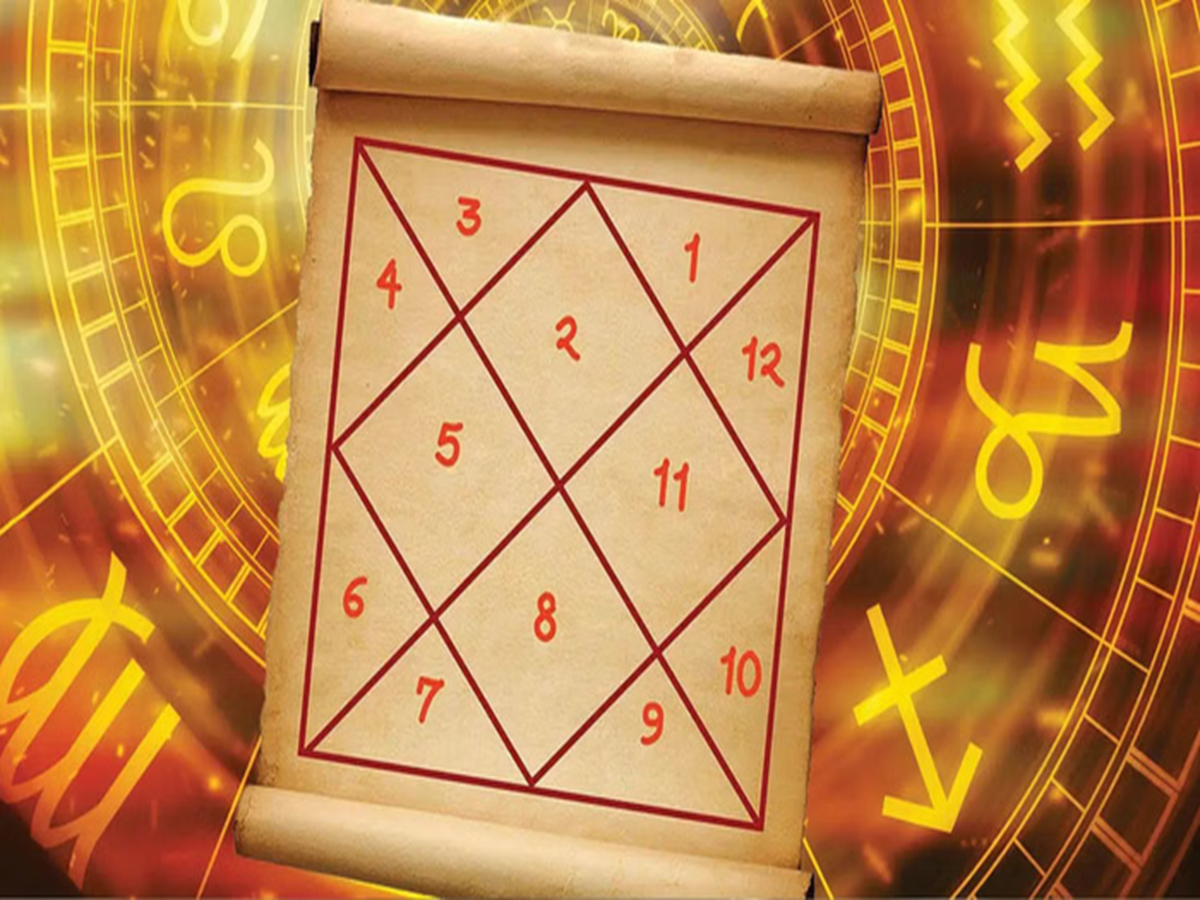
Pitru Paksha shares a profound astrological and scientific connection, as it is not merely a religious tradition but a significant astronomical and cosmic event. According to Vedic astrology, when the Sun and Moon align in a specific angular position, the distance between Earth and *Pitru Loka* (the realm of ancestors) is minimized, allowing the energy of our ancestors to connect directly with us.
Vedic astrology dictates that Pitru Paksha is observed when the Sun enters the Virgo zodiac sign (*Kanya Rashi*). It has long been believed that every individual attains a specific state of existence—or 'Gati' (path/destination)—based on their actions (*Karma*). Fundamentally, there are three types of *Gati*: *Urdhva Gati* (ascending path), meaning attainment of *Swarga Loka* (heaven); *Adho Gati* (descending path), where, due to misdeeds, a person falls to a lower form of life than the human incarnation; and *Sthir Gati* (stable path), wherein the individual is reborn as a human. Our ancestors are intrinsically linked to our birth, *Samskaras* (rites of passage), and emotions. *Pitru Dosh* is considered a karmic debt owed to ancestors, which becomes the responsibility of the current generation. It is believed that this affliction manifests in a person's horoscope if they committed sins, misdeeds, or wrongful acts—whether knowingly or unknowingly—during a past life. These sins appear as a negative karmic debt in the horoscopes of future generations. Shraddh rituals are performed to seek relief from the adverse effects of *Pitra Dosh* (ancestral affliction) and to appease the souls of ancestors.
**The connection of Saturn with past-life karma and the state of ancestors**
Saturn is linked to the karma of our past lives and the condition of our ancestors. Rahu is associated with our obligations and debts, while Ketu relates to our ancestors and their liberation (*Moksha*).
A well-placed Saturn indicates that our past-life deeds were virtuous.
A favorable position of Rahu and Ketu signifies that our ancestors are satisfied and their blessings are upon us.
If Saturn or the Sun forms an association with Rahu, ancestral obligations remain unfulfilled, preventing their satisfaction or liberation; this condition is known as *Pitra Dosh*.
A strong Jupiter helps resolve all problems related to ancestral issues.
**Signs of *Pitra Dosh* in a horoscope**
If you experience any or all of the following outcomes in your life, it indicates the presence of *Pitra Dosh* in your horoscope:
Lack of marital happiness or the joy of having children.
A child falling into bad company despite good upbringing.
Chronic health issues, accidents, or death by suicide.
Facing various losses in jobs and business.
Constant obstacles in life and increasing discord within the family.
Happiness and prosperity in life proving to be very short-lived.
A life filled with unfulfilled potential, poverty, and deprivation.
The burden of debt and unresolved issues.
**The sixteen days of *Shraddh***
According to scriptures, during the sixteen days of *Shraddh*, people offer water to their ancestors and perform *Shraddh* rituals on their respective death anniversaries. It is believed that the debt owed to ancestors is repaid through *Shraddh*. For ancestors who passed away on any given month and lunar day, the *Shraddh* ritual is performed on that same lunar day during *Pitra Paksha*. Rituals such as *Tarpan* (offering water), feeding Brahmins, and making donations—performed with reverence to satisfy one's ancestors—are collectively known as *Shraddha*. It is also referred to as *Pitru-Yajna*. Through *Shraddha*, an individual is liberated from the debt owed to ancestors (*Pitru-rin*) and, by satisfying them, advances on the path to their own spiritual liberation. *Shraddha* and *Pind-daan* are two facets of the same concept; *Pind-daan* specifically refers to the act of reverently offering a ball-shaped mound of food (*pinda*) to the ancestors.
**Designated Time to Seek Ancestral Blessings**
In Sanatan Dharma, a specific fortnight is designated for seeking the blessings of one's ancestors. During this period, we remember our ancestors and perform rituals such as *Tarpan* (offering water) and *Pind Daan* (offering rice balls). By doing so, the souls of our ancestors are satiated and pleased, and they bless us with lasting happiness and prosperity. Therefore, it is essential to perform *Pitri-Tarpan* and *Shraddha* rituals with reverence during the *Ashwin Krishna Paksha* (the dark fortnight of the month of Ashwin). These rituals lead to good health, prosperity, longevity, peace, the continuation of the lineage, and the blessing of virtuous progeny. The ritual is named '*Shraddha*' precisely because it is performed with *Shraddha* (deep reverence and faith). It should also be noted that *Shraddha* rituals are performed on the lunar day (*Tithi*) that prevails during the *Aparahna Kaal* (the afternoon period).
**Shraddha Dates:**
26 September, Saturday: Purnima Shraddha
27 September, Sunday: Pratipada Shraddha
28 September, Monday: Dwitiya Shraddha
29 September, Tuesday: Tritiya Shraddha
30 September, Wednesday: Chaturthi Shraddha
1 October, Thursday: Panchami/Shashthi Shraddha (Panchami Tithi prevails until 12:35 PM; Shashthi Tithi follows thereafter)
2 October, Friday: Saptami Shraddha
3 October, Saturday: Ashtami Shraddha
4 October, Sunday: Navami Shraddha
5 October, Monday: Dashami Shraddha
6 October, Tuesday: Ekadashi Shraddha
7 October, Wednesday: Dwadashi Shraddha
8 October, Thursday: Trayodashi Shraddha
9 October, Friday: Chaturdashi Shraddha
10 October: Sarva Pitri Amavasya
PC Social Media