LIFESTYLE
Pitru Paksha Dates 2026: Essential rituals for ancestors; a special time to remember forefathers—learn about the beliefs..
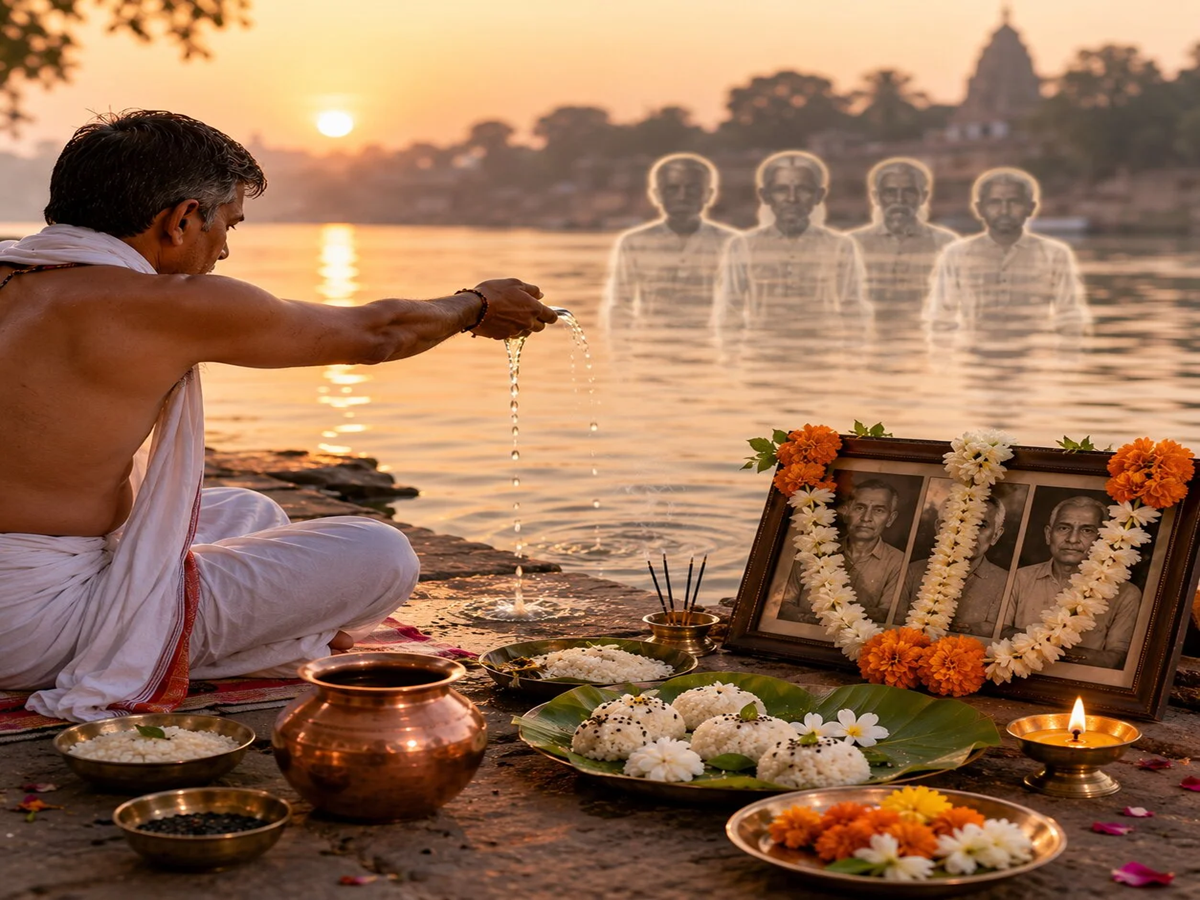
In Hinduism, Pitru Paksha is considered a special period for expressing reverence and gratitude towards one's ancestors. It is believed that remembering ancestors and performing rituals such as *Shraddha*, *Tarpan*, *Pind Daan*, and acts of charity in their honor pleases them and ensures the family is blessed with happiness and prosperity. For this reason, *Shraddha* rituals hold great significance within the Sanatan tradition during Pitru Paksha.
This year, Pitru Paksha begins on September 26 and concludes on October 10 with *Sarvapitra Amavasya*. During this period, *Shraddha* rituals for ancestors are performed on specific dates. For those who know the exact date of their ancestor's passing, the tradition dictates performing the *Shraddha* on that very day. However, for those whose ancestors' death dates are unknown, there is a religious belief that the *Shraddha* should be performed on *Sarvapitra Amavasya*.
Pandit Dheeraj Sharma from Karauli explains that the very meaning of *Shraddha* is an act performed with reverence (*shraddha*). Pitru Paksha involves the tradition of *Tarpan*—offering water mixed with sesame seeds and *Kusha* grass. According to religious belief, through *Tarpan*, descendants express their devotion to their ancestors. *Shraddha* and *Tarpan* are not merely rituals; they are considered a means to remember ancestors and express gratitude towards them.
It is believed that performing *Shraddha* rituals according to prescribed rites brings the ancestors' blessings and maintains peace and happiness within the family. Consequently, during Pitru Paksha, people perform *Shraddha*, *Tarpan*, charity, and *Brahmin Bhoj* (feeding Brahmins) based on the specific dates associated with their ancestors. Shyam Babu Bhatt, a ritual expert from Karauli, notes that religious traditions regard Pitru Paksha as a special time for ancestors. It is believed that during this period, ancestors visit their descendants' homes and look forward to receiving *Shraddha* and *Tarpan* offerings.
According to belief, when descendants perform *Shraddha* and *Tarpan* while remembering their ancestors with devotion, the ancestors are pleased and bless the family with happiness and prosperity. This is why rituals performed for ancestors during Pitru Paksha hold special significance. According to Shyam Babu Bhatt, religious beliefs deem the failure to perform *Shraddha* and *Tarpan* for one's ancestors as improper. It is believed that neglecting these ancestral rituals can lead to *Pitru Dosh* (an ancestral affliction).
In religious belief systems, *Pitru Dosh* is associated with obstacles to the continuation of the family lineage, issues regarding progeny, hurdles in marriage, family discord, and financial troubles. There is also a tradition of feeding Brahmins and offering them clothes, food grains, and *Dakshina* (ritual honorarium) after the *Shraddha* ceremony. Additionally, providing food and charity to the needy is considered an important part of the observances during Pitru Paksha.
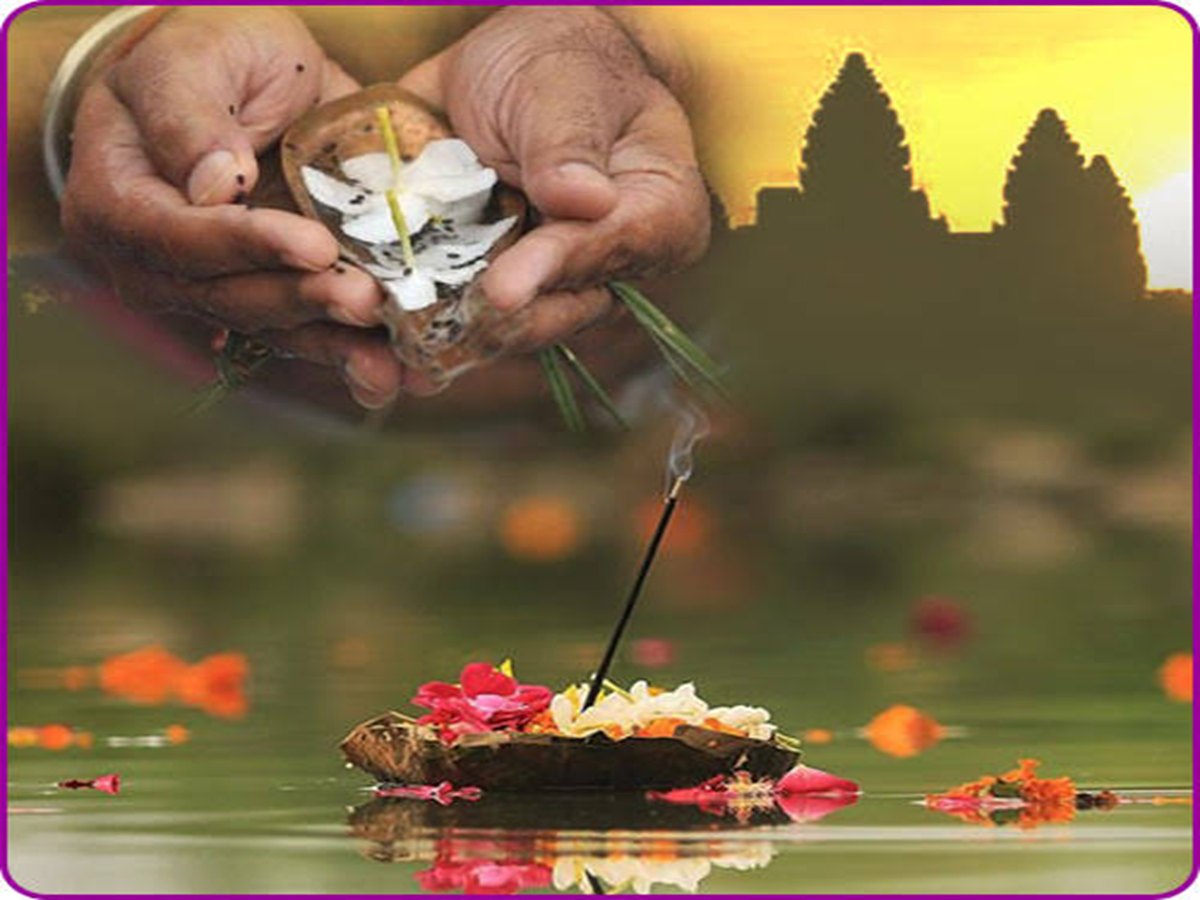
This year, the final day of Pitru Paksha—*Sarva Pitru Amavasya*—falls on October 10, 2026. On this day, *Shraddha* can be performed for all ancestors—whether known or unknown—whose date of death is not recorded or for whom the ritual could not be performed on the designated day. Thus, Pitru Paksha is viewed not merely as a time for religious rituals, but also as an opportunity to remember one's ancestors, express gratitude towards them, and reconnect with family traditions.
PC Social Media