LIFESTYLE
Raksha Bandhan 2026: Raksha Bandhan to be celebrated amidst a lunar eclipse; know the auspicious time for tying the Rakhi..
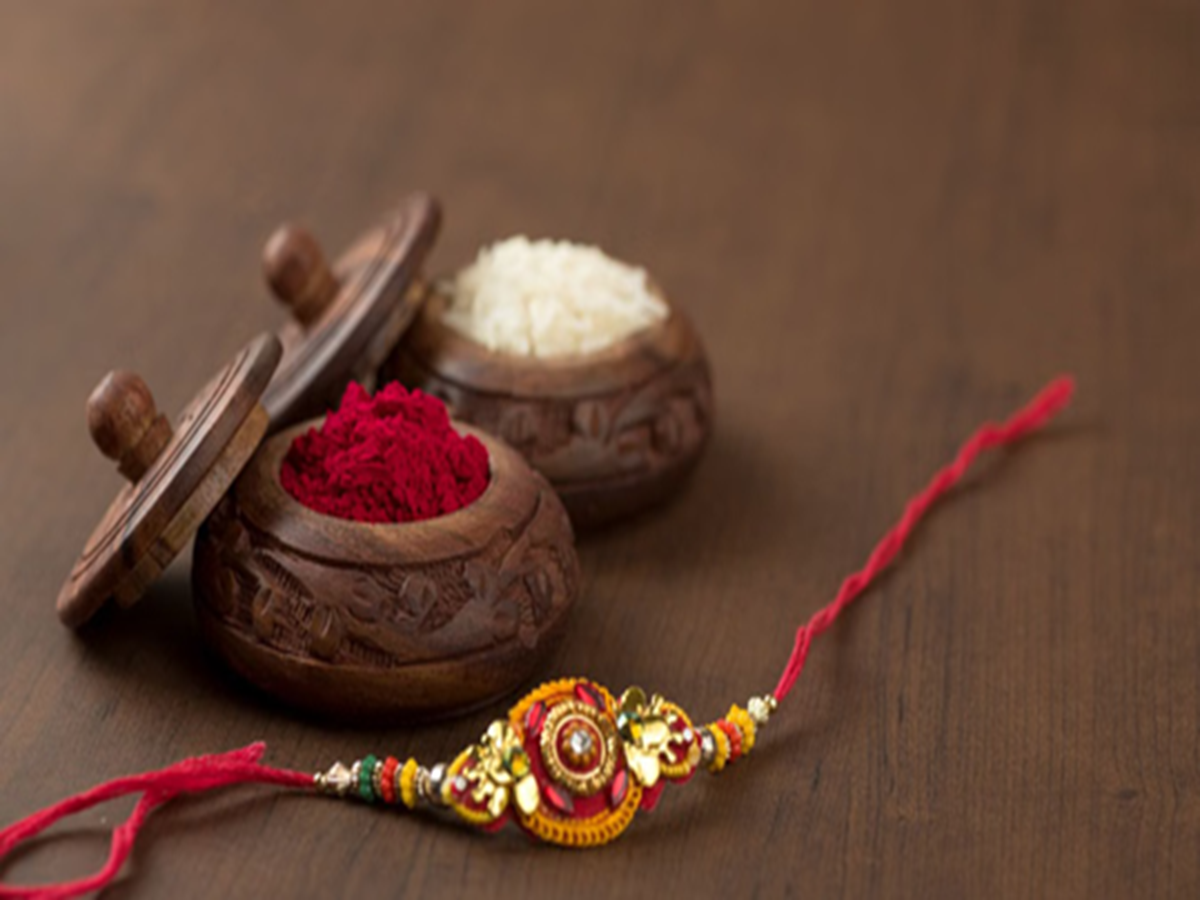
Raksha Bandhan 2026: This year, the festival of Raksha Bandhan will be celebrated on Friday, August 28, 2026. According to the Hindu calendar, this day falls on the full moon (Purnima) of the Shravan month and is considered highly significant as a symbol of the sacred bond of love between siblings. On this day, sisters tie a *Rakhi* on their brothers' wrists and pray for their happiness, prosperity, and longevity, while brothers pledge to protect their sisters and stand by them in every situation. This year, the occasion is also drawing attention because a partial lunar eclipse is set to occur on August 28. However, the visibility of the eclipse will vary by location. Since it will not be visible in India, religious beliefs dictate different observances regarding the *Sutak* (inauspicious period) and rituals. Let us explore the details regarding the eclipse's impact on Raksha Bandhan and the auspicious time for tying the *Rakhi*.
Raksha Bandhan on August 28
Raksha Bandhan is celebrated on the full moon day of the Shravan month. In 2026, the full moon tithi (lunar day) will span from 9:08 AM on August 27 to 9:48 AM on August 28. Consequently, the festival will be celebrated on August 28.
When will the lunar eclipse occur?
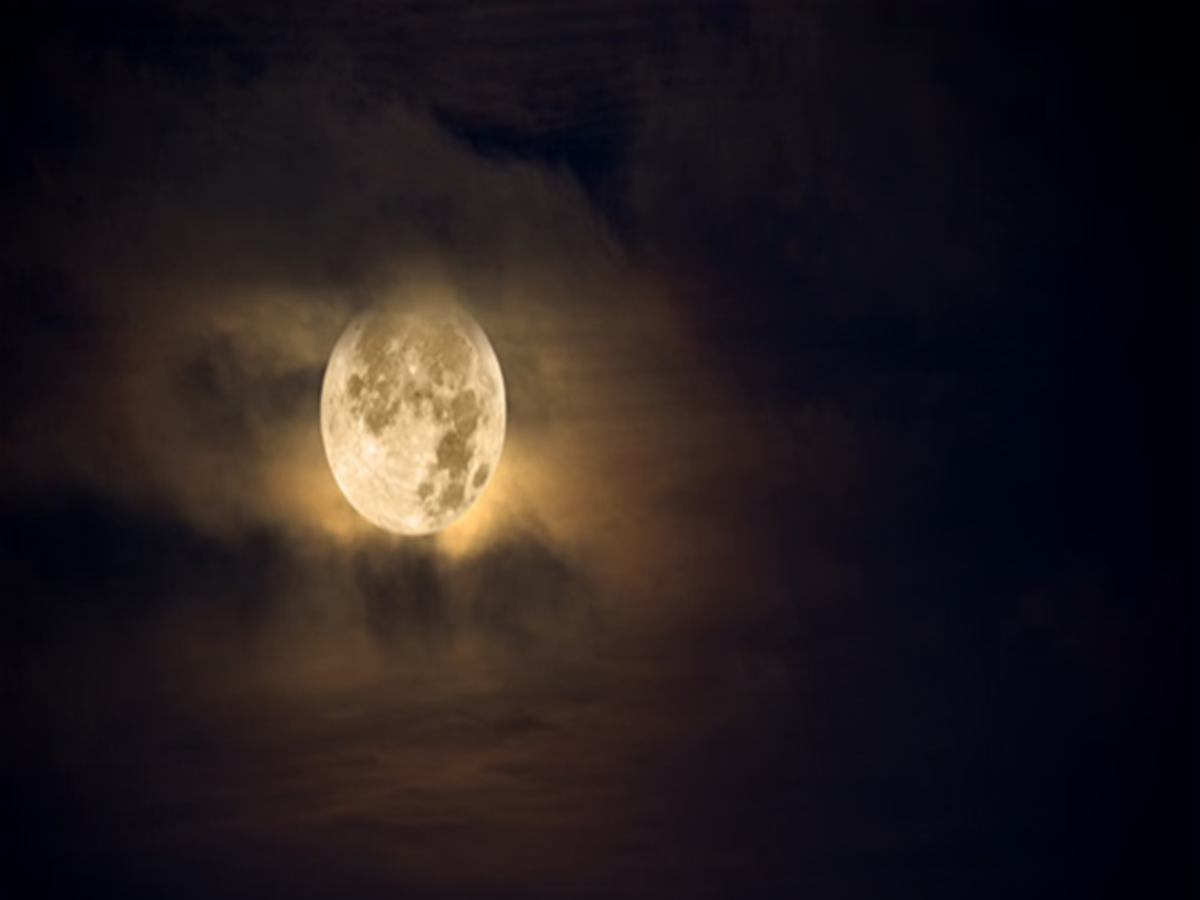
The lunar eclipse on August 28 is a partial lunar eclipse. Its global duration will be approximately 5 hours and 36 minutes. The peak phase of the eclipse will occur around 9:43 AM, and the final phase will conclude around 11:21 AM.
Will it be visible in India?
Visibility of the lunar eclipse will vary by location. This eclipse will not be visible in India, though it will be observable in certain other parts of the world. Therefore, for those living in India, it is important to consider local visibility conditions regarding the eclipse on the day of Raksha Bandhan.
Where will the lunar eclipse be visible?
This eclipse will be visible primarily in the Americas, Europe, Africa, and parts of Western Asia. A lunar eclipse can be safely viewed with the naked eye; therefore, no special protective equipment is required to watch it. What will be the *Sutak* period for the lunar eclipse?
According to religious beliefs, the calculation of the *Sutak* period (an inauspicious time preceding an eclipse) is linked to the local visibility of the eclipse. In places where the lunar eclipse is not visible, there is generally no tradition of observing the *Sutak*. Therefore, in areas where the eclipse is not visible, the timing for Raksha Bandhan rituals and the tying of the *Rakhi* will not be altered due to the eclipse. However, as rules may vary across different almanacs (*Panchangs*) and traditions, it is advisable to prioritize the local almanac.
Auspicious time for tying the *Rakhi*
On August 28, the auspicious time for tying the *Rakhi* is stated to be between 5:58 AM and 9:48 AM. On this day, *Bhadra* will conclude before sunrise. The *Purnima Tithi* (full moon phase) also ends at 9:48 AM. Consequently, there is no need to change the *Rakhi* tying schedule in Gurugram due to the eclipse.
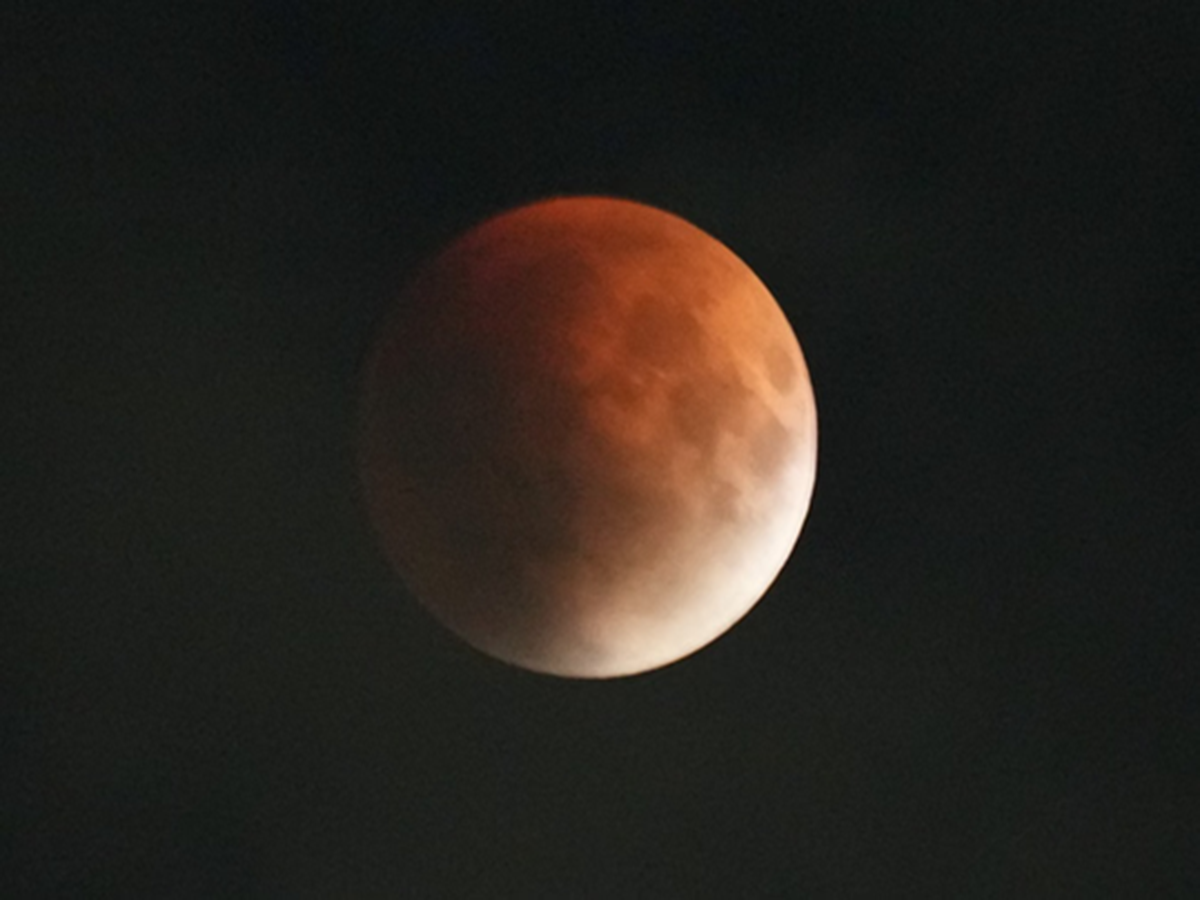
In which zodiac sign will the Moon be positioned?
According to astrological calculations, the Moon will be in the Aquarius (*Kumbh*) zodiac sign at the time of the lunar eclipse. The position of *Rahu* during this period is also considered significant in astrology. Astrological beliefs regarding the eclipse's impact can vary, and its effect on specific zodiac signs is not considered a proven scientific fact. According to some astrological beliefs, the impact of the eclipse can differ based on an individual's zodiac sign and birth chart (*Kundali*), and its effects may be felt for some time.
PC Social Media