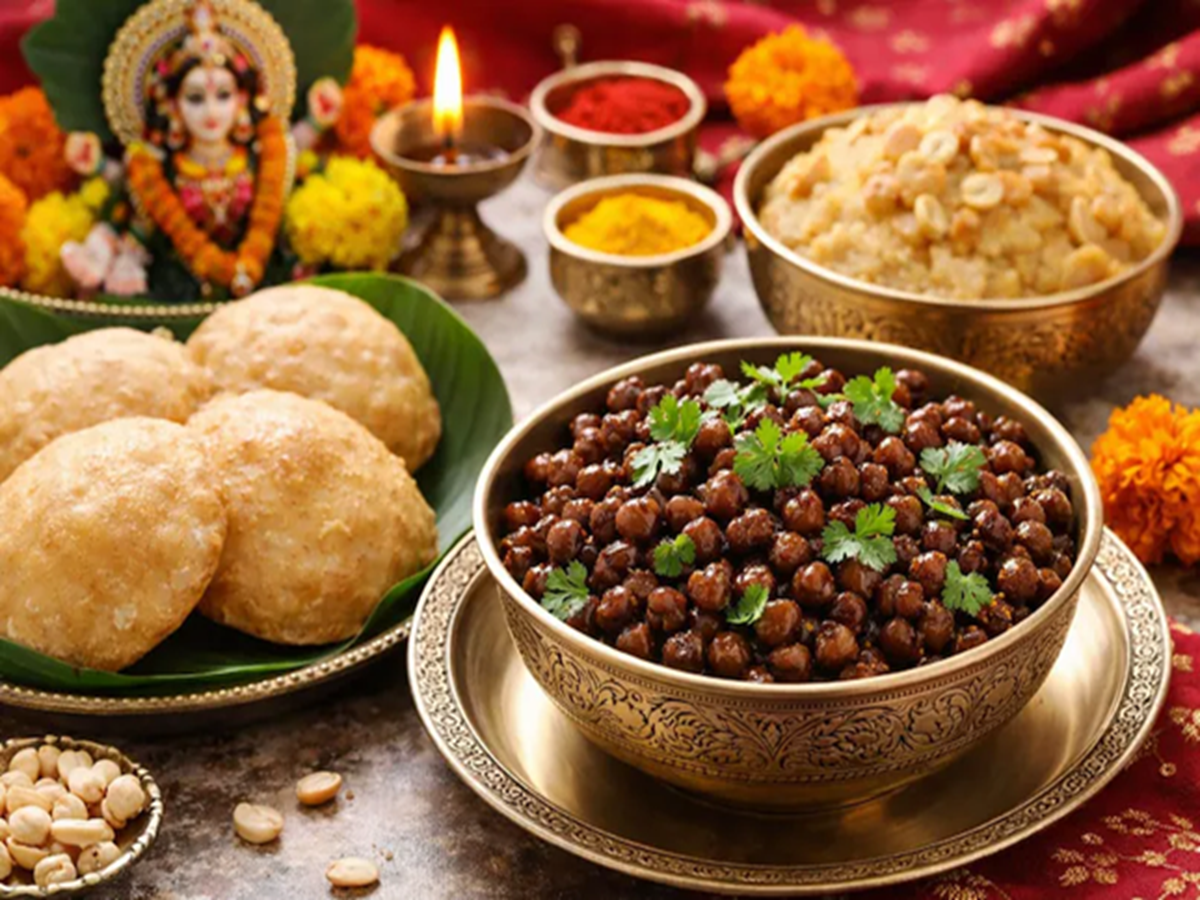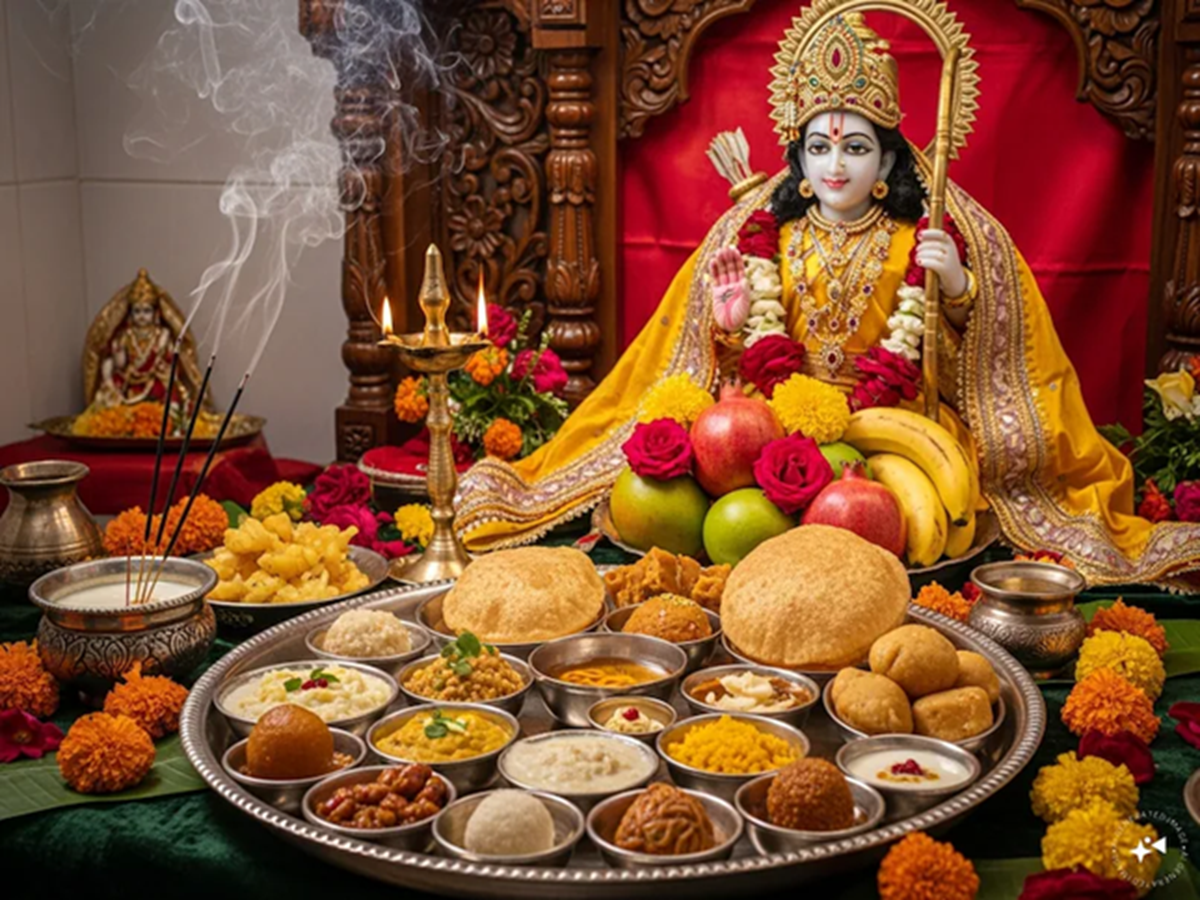
Ram Navami 2026 Bhog List: As the festival of Ram Navami approaches, an atmosphere of unique tranquility and deep faith permeates every home. In 2026, this auspicious date falls on March 26th, while special festivities will be observed in Ayodhya on March 27th. Consequently, many people ponder what specific *Bhog* (sacred food offering) should be presented to Lord Rama—an offering that not only adheres to tradition but also serves as a true expression of their devotion.
Indeed, Ram Navami is not merely a day for worship; it is also an opportunity to embody the virtues of propriety (*Maryada*), simplicity, and *Sattvikta* (purity and goodness) in one's daily life. The aroma of ghee and cardamom wafting from the kitchen, the bustling activity involved in preparing the *Prasad* (sacred food), and the act of performing worship together as a family—these are the true hallmarks of this sacred day.
Ram Navami *Bhog*: A Confluence of Faith and Tradition. Lord Rama is revered as an avatar (incarnation) of Lord Vishnu; therefore, *Sattvikta* and purity hold immense significance in the *Bhog* offered to Him. The *Bhog* is not merely a meal; it is a profound symbol of devotion. This is precisely why every single element of the *Prasad* prepared on this day conveys a specific spiritual message.
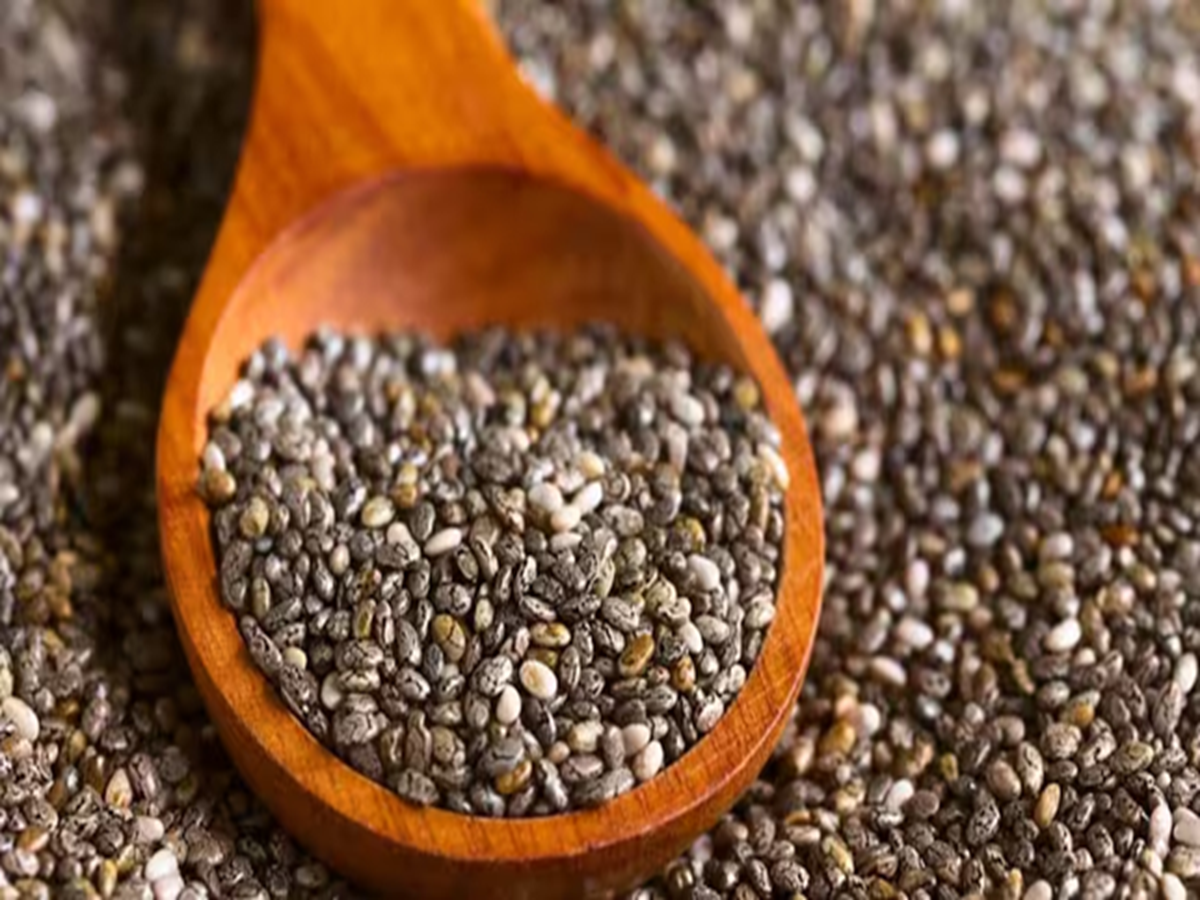
Key *Bhog* Offerings Presented to Lord Rama: The Significance of *Dhaniya Panjiri*. *Dhaniya Panjiri* (coriander powder pudding) holds a special place among the offerings for Ram Navami. It is prepared using ground dry coriander seeds, ghee, sugar, and dry fruits. As the summer season begins, coriander acts as a natural coolant for the body; this is the primary reason it is given such prominence as a *Prasad* offering. In many households, children are also encouraged to assist in its preparation, thereby further heightening the festive spirit.
Panchamrit: A Vaishnavite worship ritual is considered incomplete without *Panchamrit* (the five nectars). This sacred concoction—made from milk, yogurt, ghee, honey, and holy water (such as *Gangajal*)—must invariably be infused with *Tulsi* leaves (holy basil). According to religious belief, Lord Rama does not accept the *Bhog* unless it contains *Tulsi*.
The Sweetness of *Kesariya Bhat*: These sweet yellow-colored rice preparations, known as *Kesariya Bhat*, are considered to be immensely dear to Lord Rama. Prepared with saffron, cardamom, and dry fruits, this dish symbolizes auspiciousness and wisdom. In many families, it is specifically included as a key component of the morning *Bhog* offering.
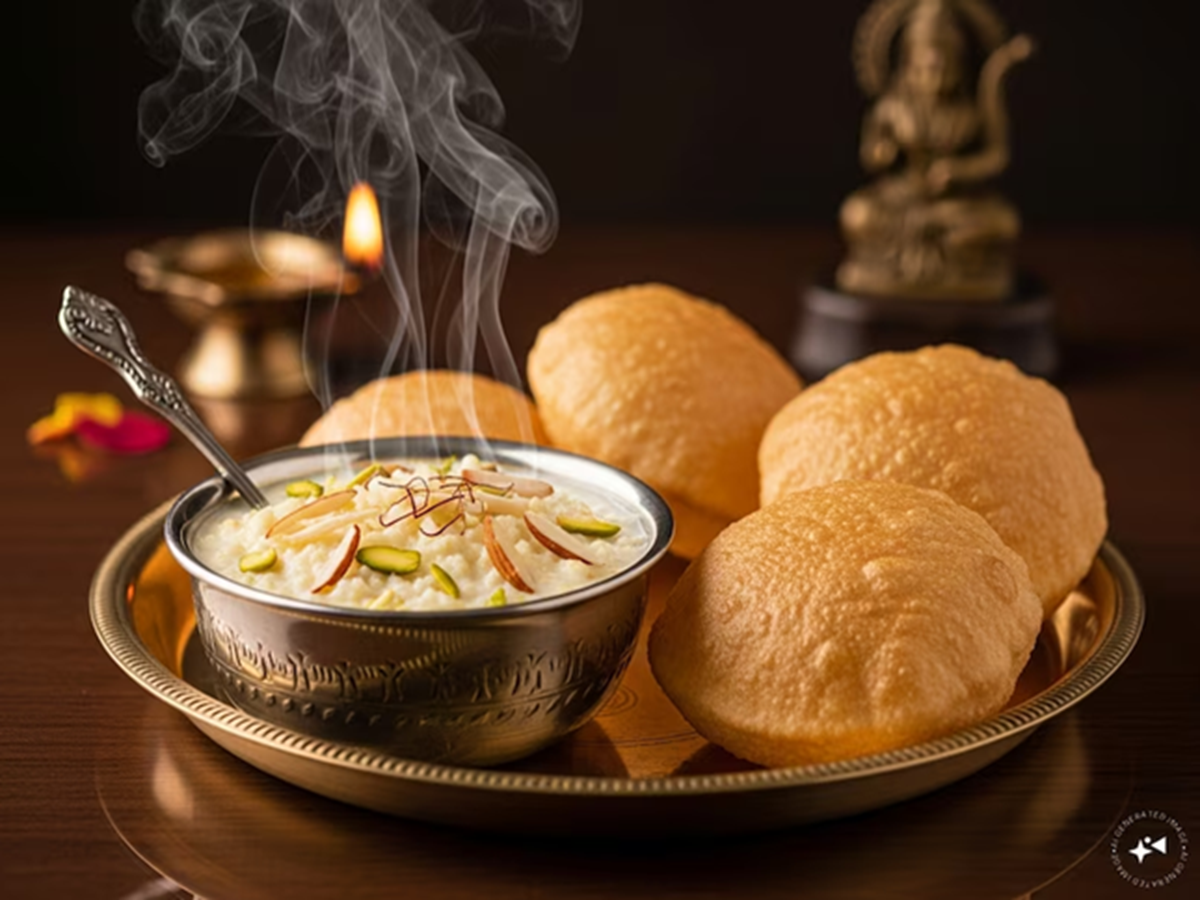
Kheer and Puri: Kheer—a sweet pudding made from milk and rice—is revered as being akin to *Amrit* (the nectar of immortality). It is widely believed that the *Prasad* (sacred offering) received following King Dasharatha's sacrificial ritual (*Yajna*) was, in fact, Kheer. Consequently, offering Kheer holds special significance during Ram Navami. Its combination with *Puri* renders the offering even more complete and wholesome.
Root Vegetables and Fruits: In remembrance of Lord Rama's life in exile (*Vanvas*), root vegetables and fruits are offered. Sweet potatoes, bananas, apples, and—most notably—*Ber* (Indian jujube)—which serves as a poignant reminder of the devotion of Shabari—form an integral part of the day's offering. This tradition conveys to us a profound message of simplicity and contentment.
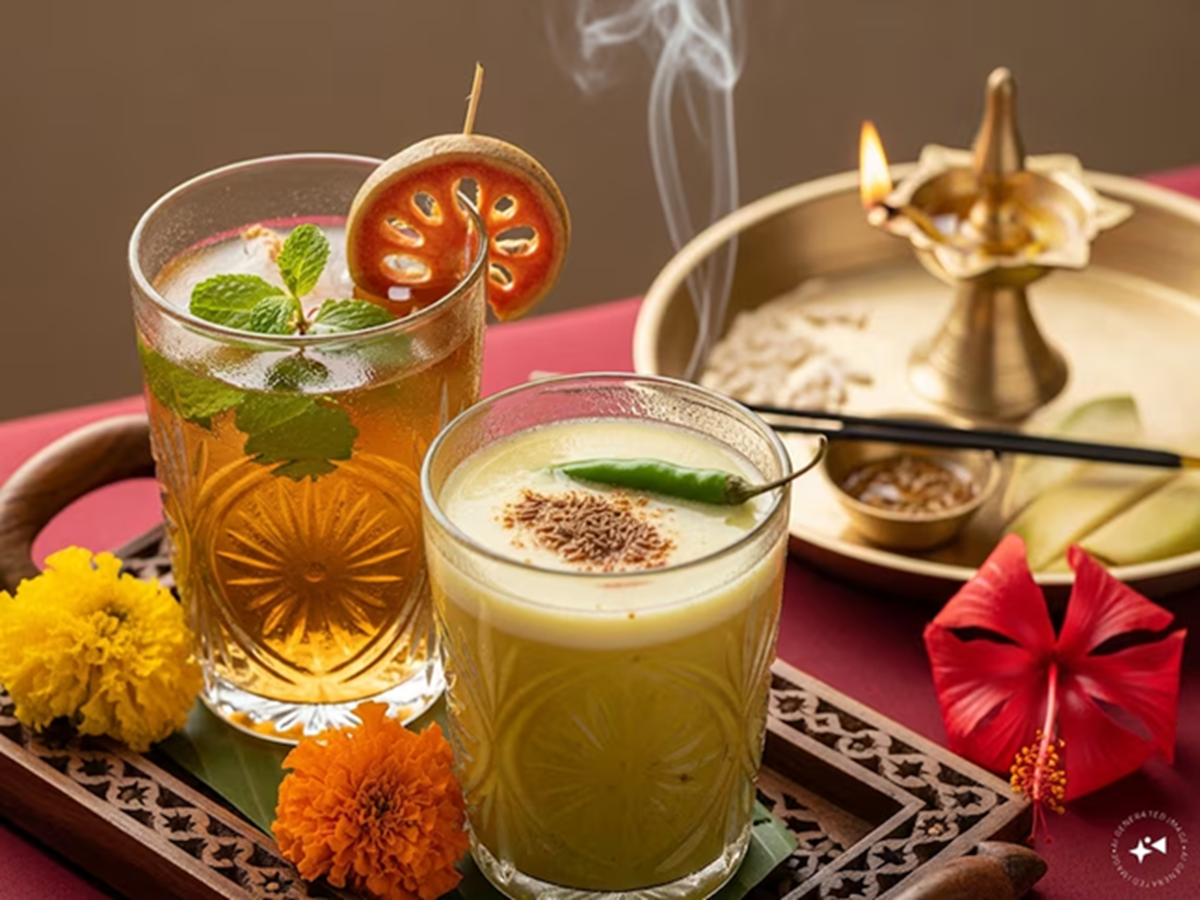
Pana and Cooling Beverages: As the month of *Chaitra* marks the onset of the summer season, cooling refreshments such as *Bel* (Wood Apple) *Sharbat* or *Aam ka Pana* (Raw Mango Drink) are offered to the Lord. This practice is not merely a tradition; it also demonstrates a mindful concern for health and well-being, perfectly aligned with the prevailing seasonal conditions.
PC Social Media