
LIFESTYLE
Why does it take so long for hair problems to resolve? What is the reason behind this, and what do dermatologists say?
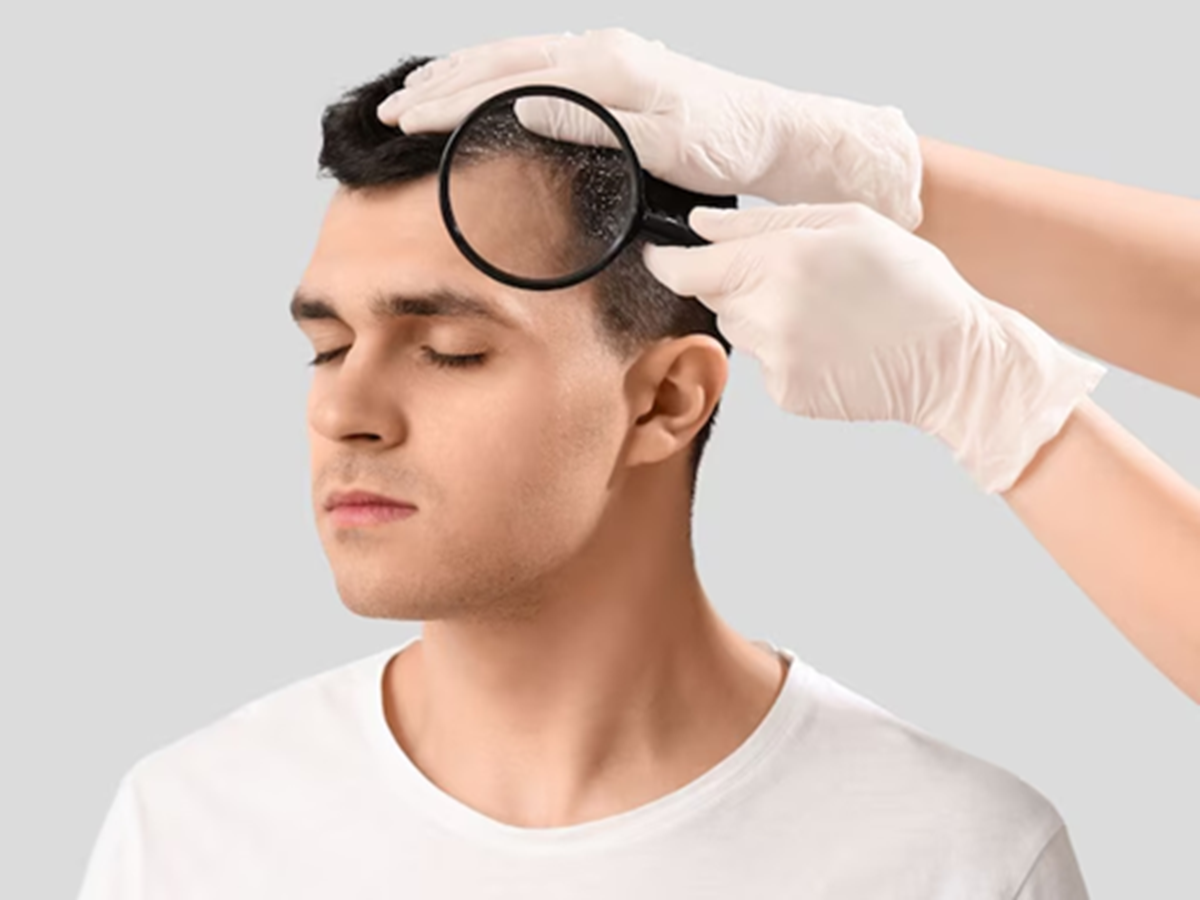
Hair Problems Treatment: Nowadays, issues such as hair fall, dandruff, baldness, graying hair, and scalp dryness have become increasingly prevalent. People of all ages are grappling with these hair-related troubles. When individuals encounter such problems, they typically consult a doctor to undergo treatment. It is frequently observed that hair treatments tend to be quite prolonged, and it often takes months before any visible results begin to appear. Despite the use of expensive products, achieving results remains a time-consuming process. This stands in contrast to other health issues, which often begin to resolve much faster than hair-related problems. Consequently, the question arises: why does it take such a long time to find relief from hair-related ailments?
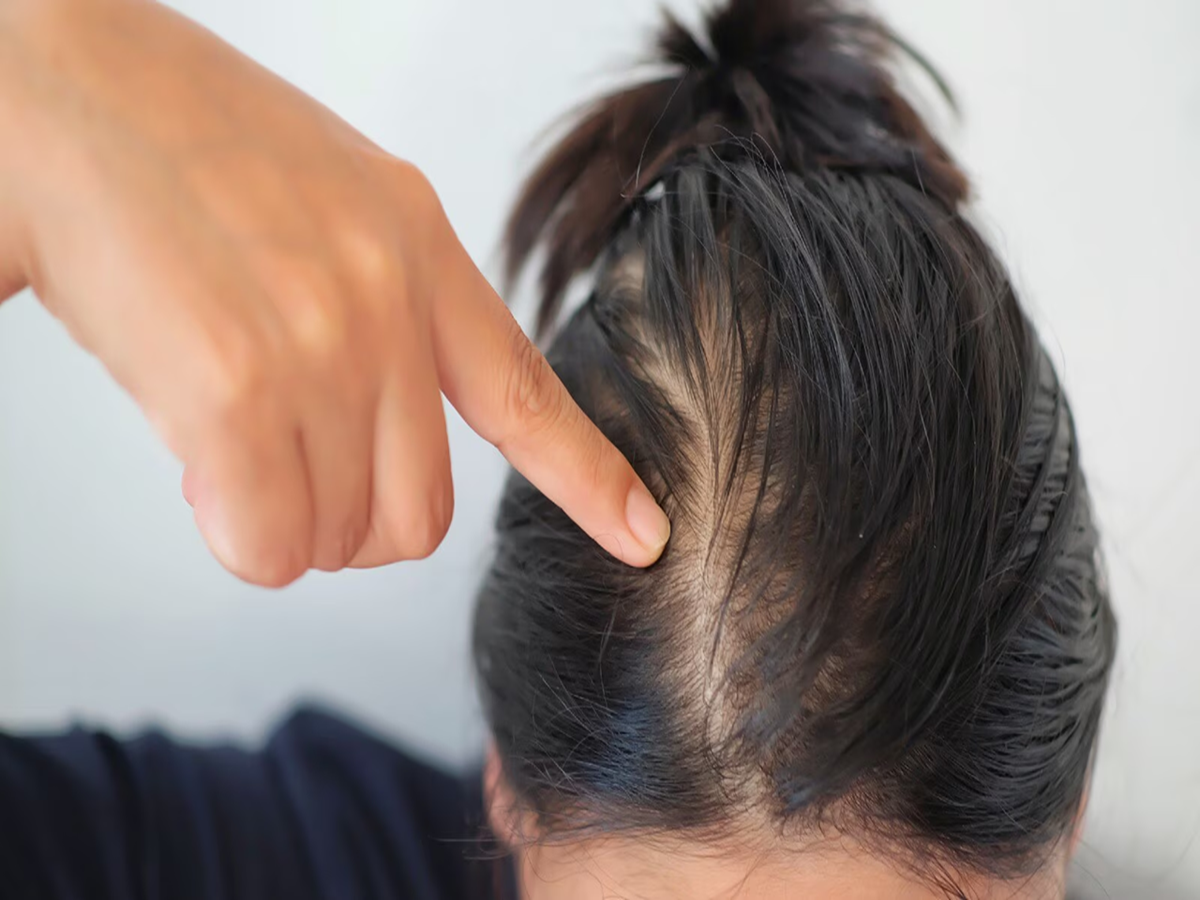
Dr. Yugal Rajput, a dermatologist at GSVM Medical College in Kanpur, Uttar Pradesh, explained to News18 that hair does not grow instantaneously; rather, it develops according to a specific growth cycle. This is precisely why it takes time for hair to recover and regrow following a specific issue. Typically, hair grows only 1 to 1.5 centimeters per month; therefore, it is only natural that it takes time for any signs of improvement to become apparent. Hair problems are not merely external issues; they are often linked to underlying internal physiological factors. Hormonal imbalances, nutritional deficiencies, or thyroid disorders can significantly impact hair health. Consequently, unless these underlying internal issues are addressed and treated, hair-related problems cannot be resolved solely through the use of shampoos or hair oils.
The doctor further noted that since hair roots are embedded within the scalp, maintaining a healthy scalp is absolutely crucial. If the scalp suffers from dandruff, infections, or excessive oil production, the hair becomes weakened and begins to fall out. Since the scalp itself requires time to heal, any improvement in the condition of the hair is correspondingly delayed. Furthermore, in today's fast-paced and hectic lifestyle, factors such as stress, lack of sleep, and poor dietary habits directly impact hair health. Stress leads to an increase in the body's cortisol levels, which can accelerate the rate of hair loss. Unless lifestyle habits are improved, hair-related problems may recur repeatedly.
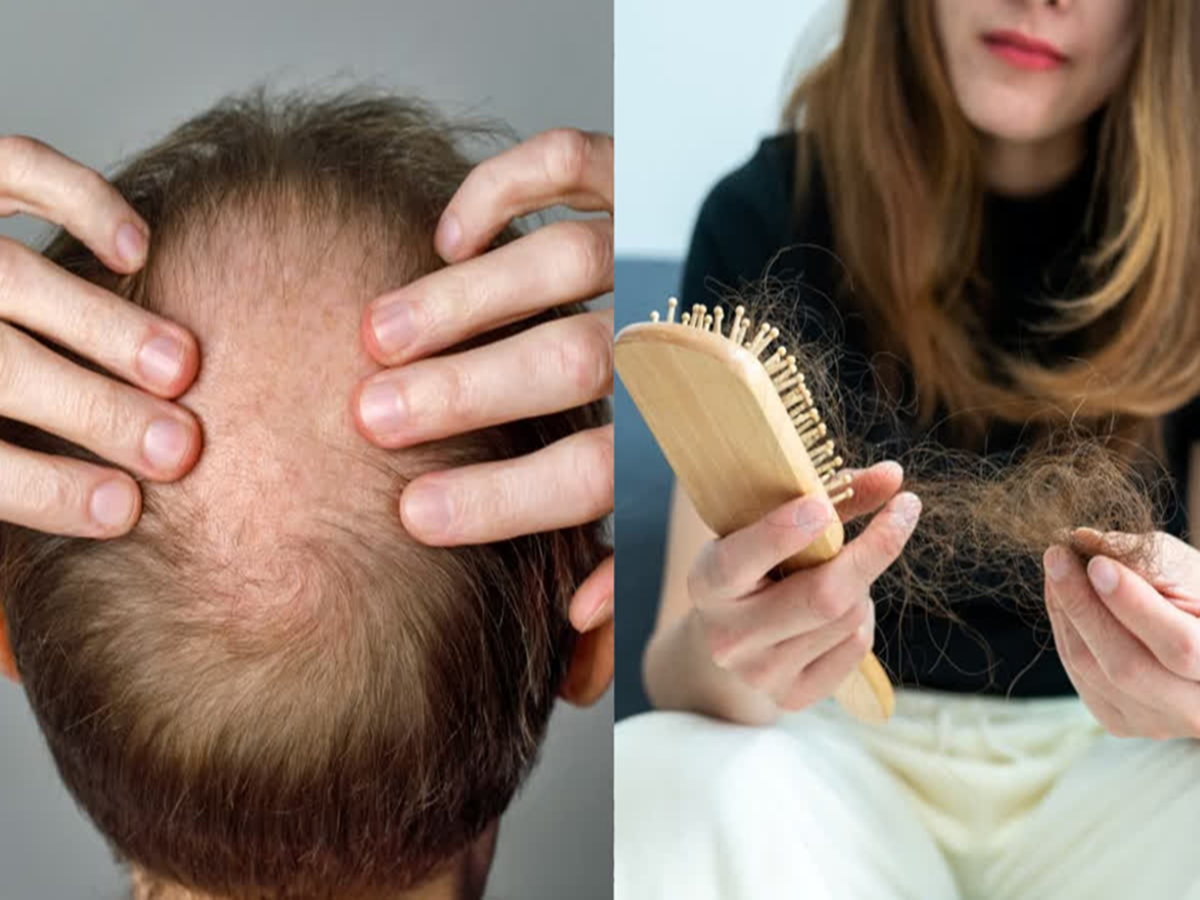
According to experts, many people frequently experiment with various hair products or treatments in an attempt to achieve quick results. This can lead to even greater damage to the hair. Chemical-laden products, heat styling, and frequent coloring weaken the hair roots. Since it takes time for hair to repair itself, patience is essential. Solutions to hair problems do not manifest instantly but rather unfold gradually. To achieve this, it is crucial to maintain a balanced diet, follow a proper hair care routine, practice stress management, and seek medical advice when necessary. Remember, maintaining hair health is a long-term process; in this journey, patience and consistency are the ultimate solutions.
PC Social Media


