Parenting
Recognize the habit of frequent eating in children and easily understand the signs of true hunger..
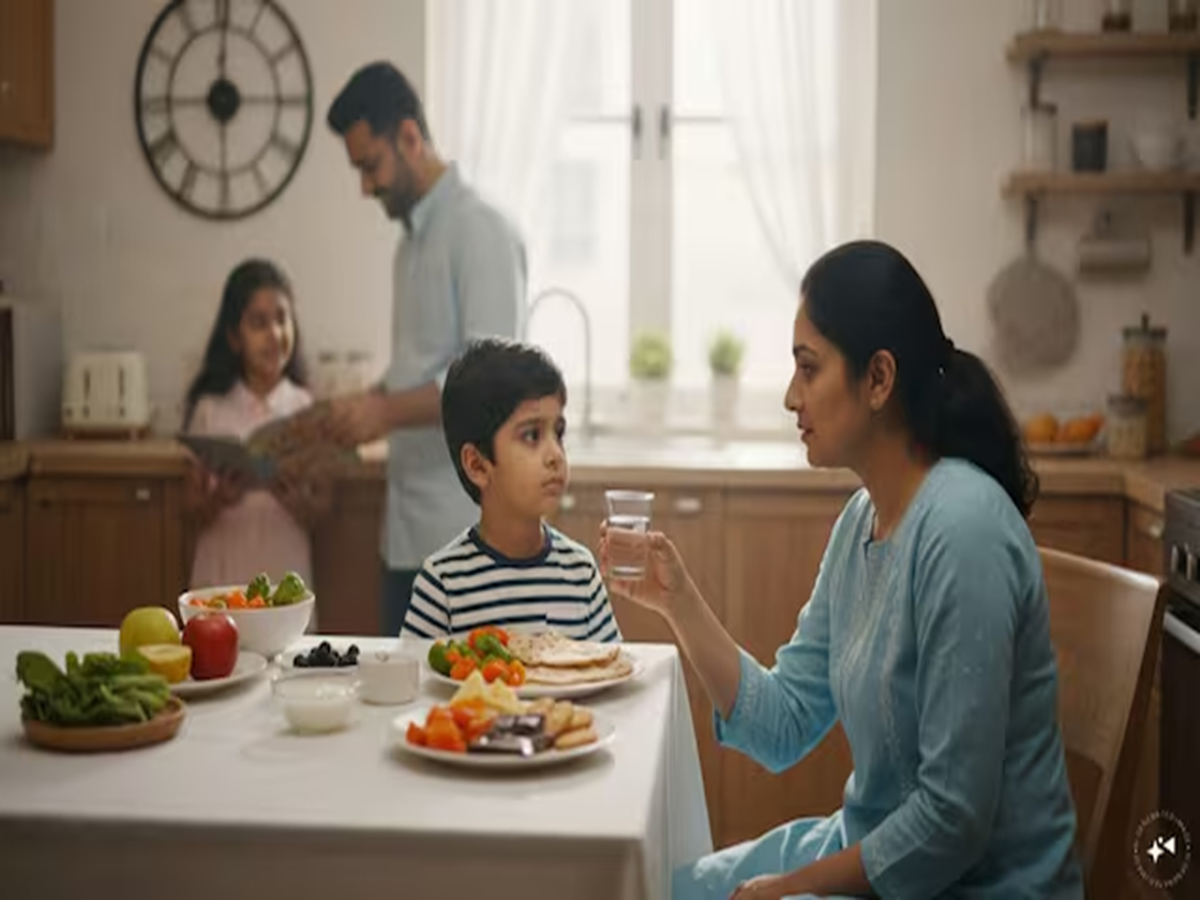
Parents are often unsure whether a child is asking for food repeatedly because they are genuinely hungry or simply out of habit, boredom, or a craving for specific flavors. Distinguishing between the two is crucial; frequent, unnecessary eating can lead to health issues, while ignoring genuine hunger can affect the child's growth and development.
What are the signs of genuine hunger?
When a child is truly hungry, their body craves energy. In such cases, the child persists in asking for food until they get it and will happily eat regular meals—not just their favorite treats. Signs of hunger may also include a rumbling stomach, a drop in energy levels, irritability, or difficulty concentrating.
If the child last ate 3–4 hours ago and is willing to eat nutritious foods like roti, lentils (dal), vegetables, or fruit, it is likely a sign of genuine hunger.
What signs might indicate genuine hunger?
Asking for food again immediately after a meal
Stomach rumbling and low energy
Forgetting about food when engaged in a game or story
Demanding only favorite snacks
Signs of a habit of frequent eating
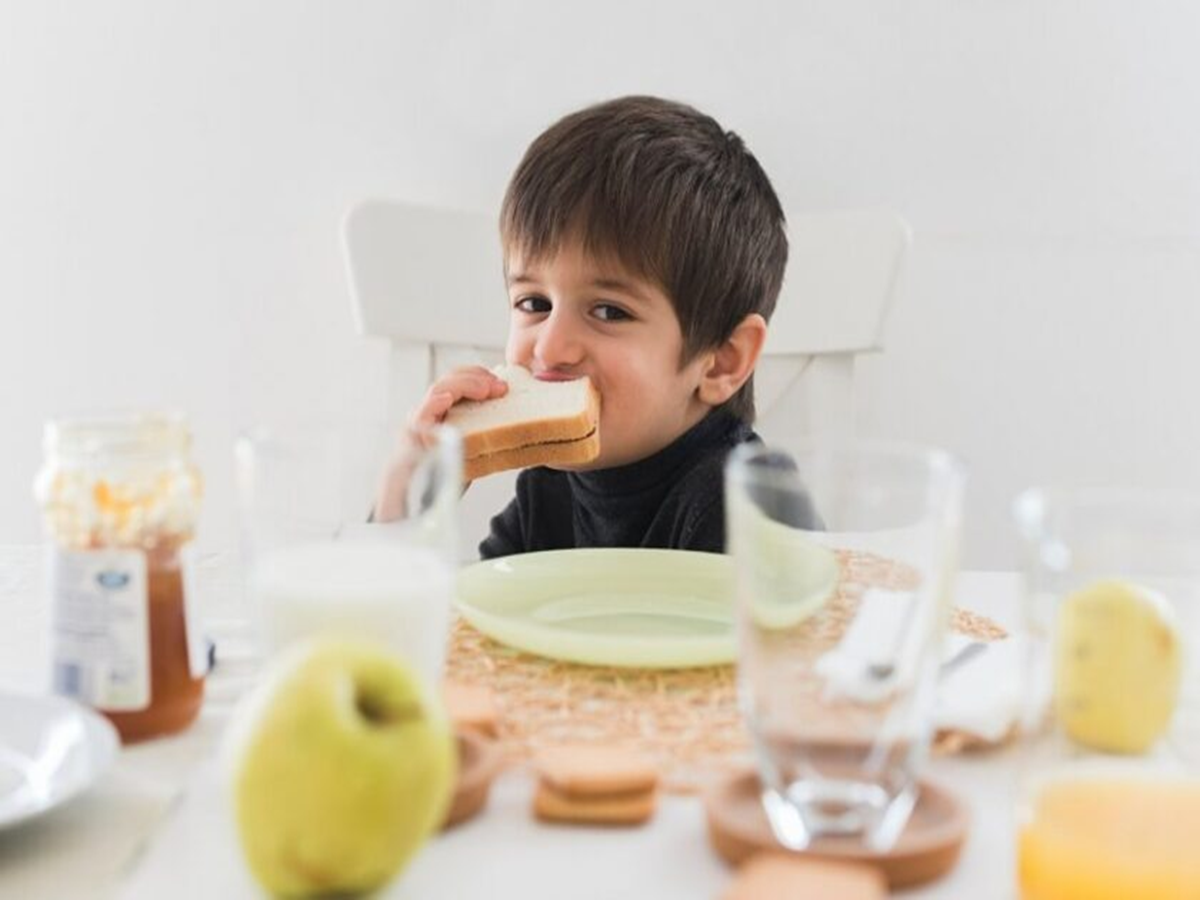
Children often want to keep eating simply for the taste or out of boredom. In such instances, they tend to ask for chips, chocolate, biscuits, ice cream, or other favorite snacks but refuse nutritious meals.
If a child asks for food shortly after a meal but forgets about it when distracted by a game, story, or other activity, it is likely a habit or a psychological craving rather than genuine hunger.
How can you tell the difference?
When the child asks for food, offer them a glass of water first. Children often mistake thirst for hunger. Offer nutritious options such as fruit, salad, yogurt, or homemade snacks; if the child eats these, they may genuinely be hungry.
On the other hand, if they insist only on junk food or sweets, it may simply be a craving for specific flavors. Additionally, establish a regular schedule for meals and snacks, as irregular eating habits can prompt children to eat frequently.

What should parents do?
Provide children with balanced meals containing protein, fiber, and healthy fats, as these help keep them feeling full for longer. Discourage the habit of eating while looking at screens and maintain a disciplined mealtime routine. Also, be mindful of the child's emotions, as stress, loneliness, or boredom can sometimes lead to frequent eating.
PC Social Media