LIFESTYLE
Sawan 2026: The first Monday of Sawan falls on August 3; learn about the significance of the worship and fast..
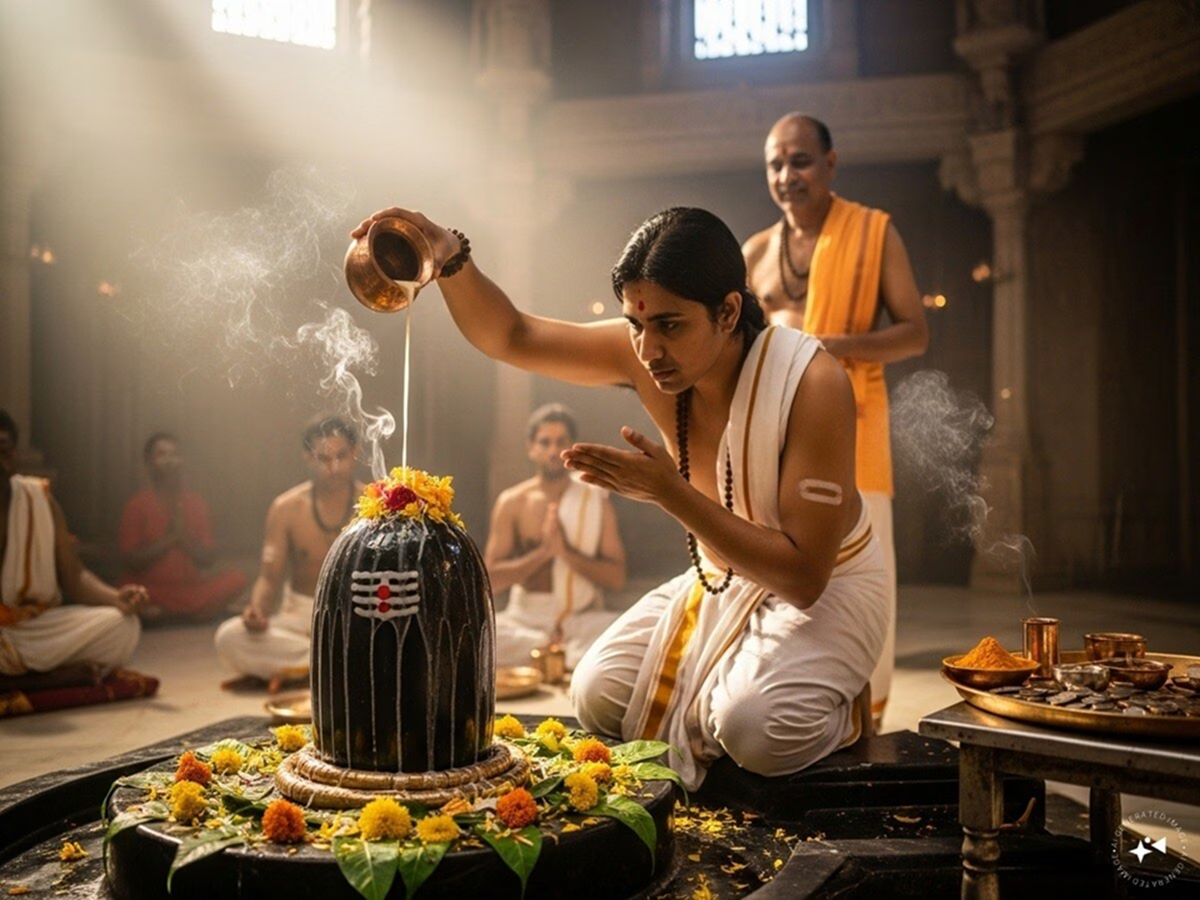
Sawan 2026 Dates: The month of Sawan holds special significance in Hinduism. Dedicated to Lord Shiva, this month sees devotees worshipping Bholenath with deep reverence and devotion throughout the period. In 2026, the auspicious month of Sawan begins on Thursday, July 30, with the first Monday fast observed on August 3. It is believed that worshipping Lord Shiva, performing *Jalabhishek* (ritual bathing of the Shivling with water), and observing fasts during Sawan brings peace and happiness to life and fulfills one's wishes. Worshipping Lord Shiva with faith and devotion grants devotees spiritual peace, inner strength, and the resilience to face life's challenges.
**Sawan: Begins July 30, Concludes August 28**
In 2026, the month of Sawan commences on Thursday, July 30. According to the Hindu calendar, the *Pratipada Tithi* (first day) of the *Krishna Paksha* (waning phase of the moon) of the Shravan month begins at 8:05 PM on July 29 and concludes at 9:30 PM on July 30. Based on the *Udaya Tithi* (the sunrise date), the observance of Sawan begins on July 30. This holy month concludes on August 28, the day of *Purnima* (full moon). This year, the month of Sawan will span a total of 31 days.
**Four Monday Fasts in Sawan 2026**
Mondays hold special significance during the month of Sawan. Since Monday is considered extremely dear to Lord Shiva, the importance of fasting and worshipping Him on the Mondays falling in Sawan is greatly amplified. A total of four Monday fasts will be observed during Sawan in 2026: the first on August 3, the second on August 10, the third on August 17, and the fourth on August 24.
**Significance of Rudrabhishek in Sawan**
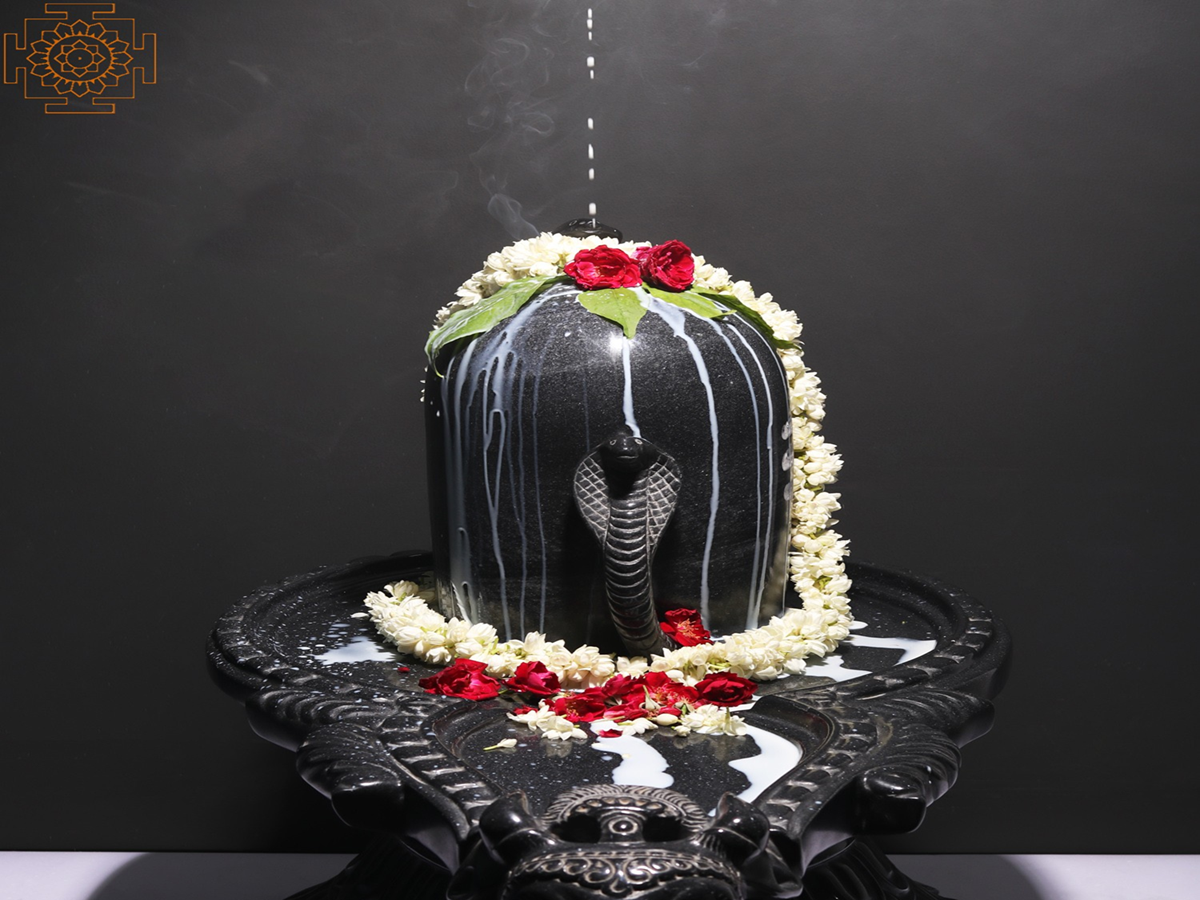
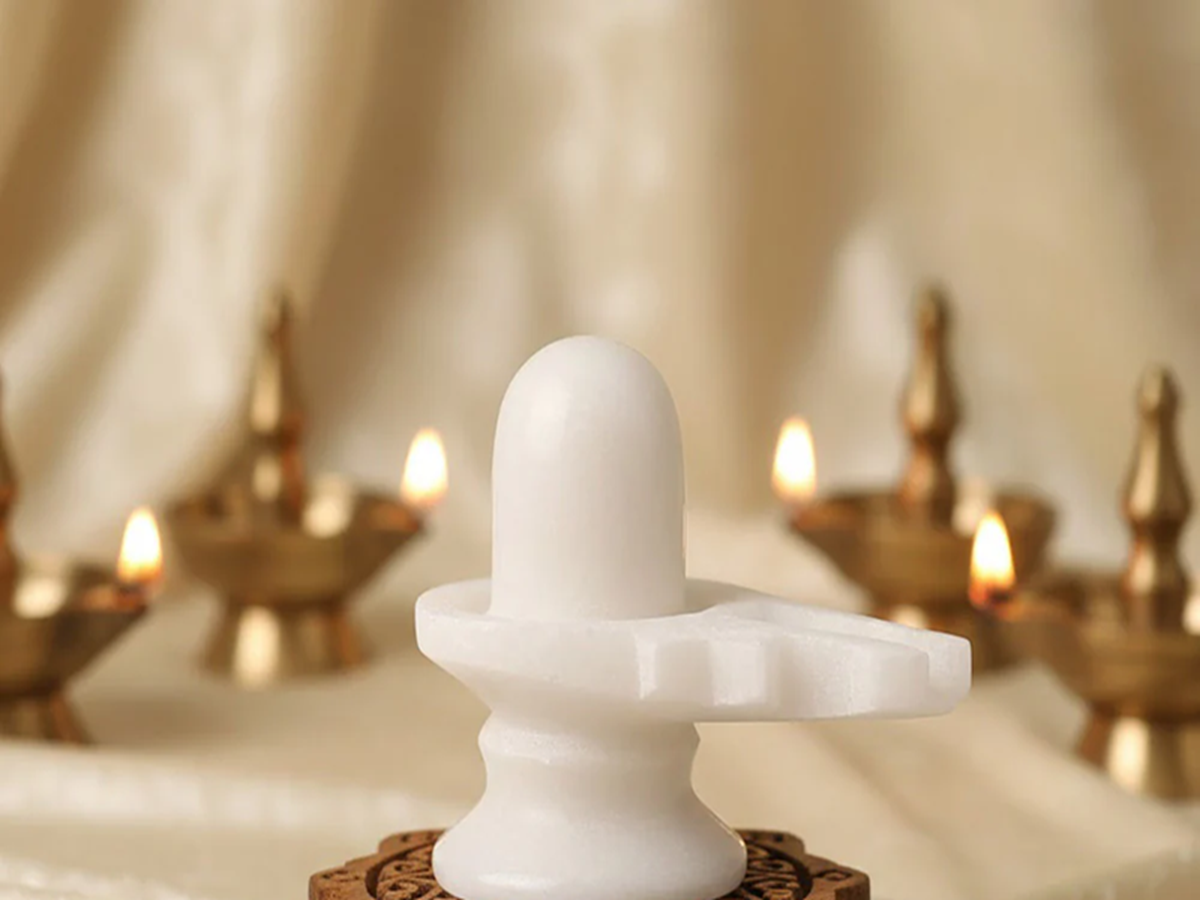
During the month of Sawan, devotees of Shiva wake up early, bathe, and worship Lord Shiva. There is a tradition of offering water, *Gangajal* (holy water from the Ganges), milk, *Belpatra* (wood apple leaves), *Dhatura*, *Aak* flowers, and *Bhasma* (sacred ash) to the Shivling. Many devotees also perform *Rudrabhishek* during this period. It is believed that performing the ritual bathing (*Abhishek*) of Lord Shiva during the month of Sawan yields special spiritual merit. Unmarried men and women observe this fast with the hope of finding a suitable life partner, while married individuals worship Lord Bholenath to seek happiness in their marital lives, family well-being, and the prosperity of their children.
**Significance of Shiva and Parvati in Sawan**
According to religious beliefs, the month of Sawan is also associated with the union of Lord Shiva and Goddess Parvati. It is said that Goddess Parvati undertook severe penance to attain Lord Shiva as her husband. Pleased by her devotion and penance, Lord Shiva accepted her. Therefore, worshipping both Shiva and Goddess Parvati during Sawan holds special significance.
**Strengthening the Position of the Moon**
The glory of the month of Sawan is also described in the *Shiva Purana*. It states that meditating on Lord Shiva, chanting mantras, performing acts of charity, and worshipping Him during this month brings positive energy into one's life. Devotees believe that Lord Shiva showers His grace upon those who worship Him with a sincere heart during Sawan. From an astrological perspective, the Mondays of Sawan (*Sawan Somvar*) are considered particularly significant. Worshipping Shiva with devotion is believed to strengthen the position of the Moon and alleviate mental stress, fear, and negativity. Additionally, the worship of Shiva is considered beneficial for mitigating the adverse effects of planetary afflictions and enhancing positive energy in life.
PC Social Media