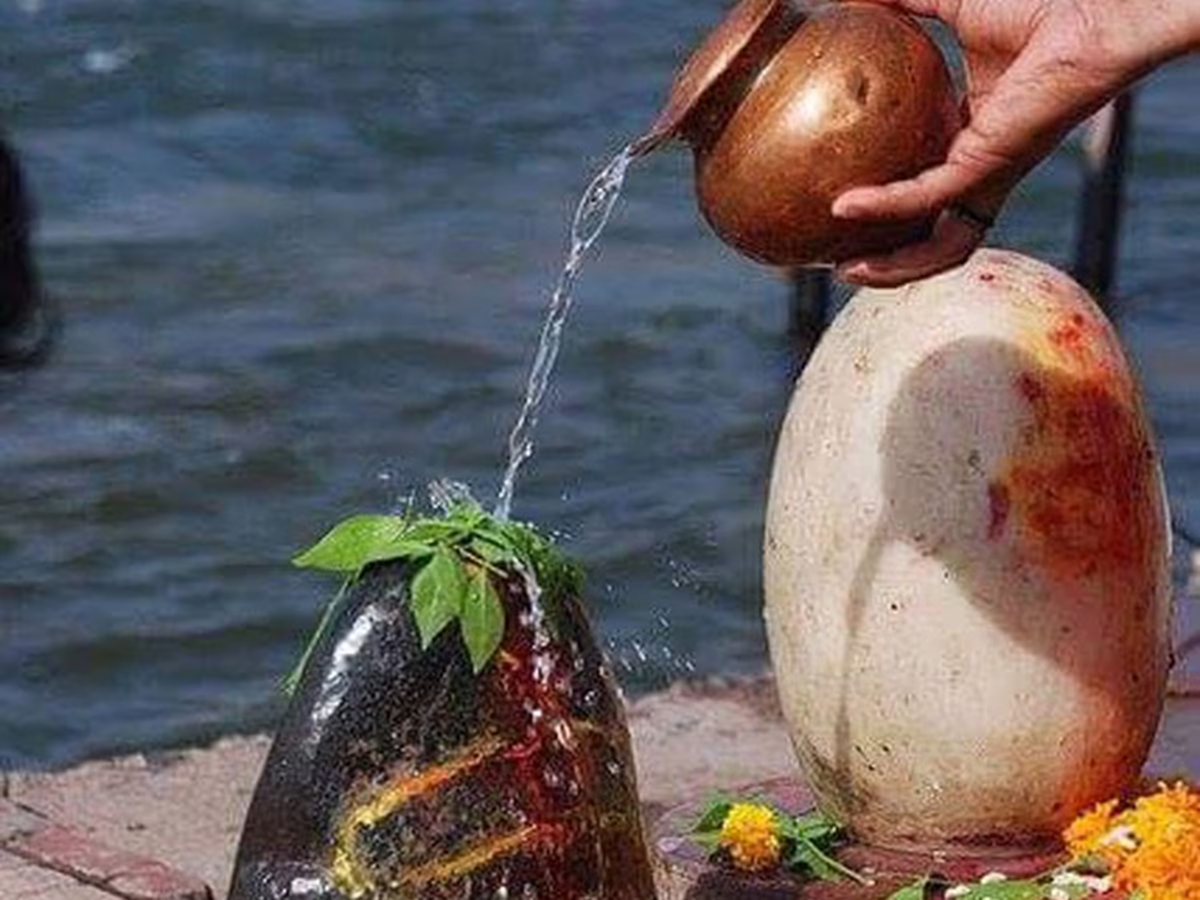
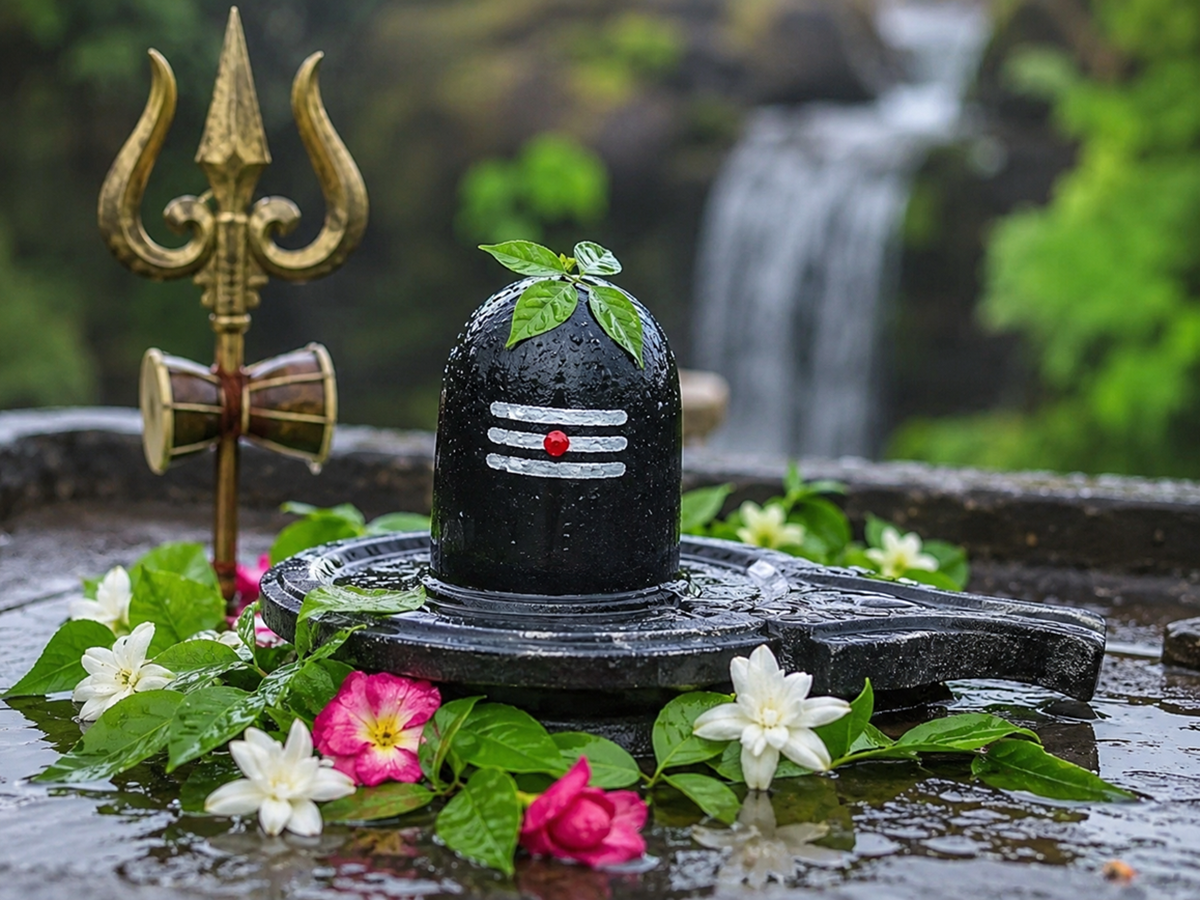
Sawan 2026: In the year 2026, the holy month of Sawan begins today—Thursday, July 30—and concludes on Friday, August 28. The first 'Sawan Monday' falls on August 3. The month of Sawan is considered the most sacred and auspicious time for worshipping Lord Shiva. It is believed that sincere worship, *Jalabhishek* (ritual bathing of the deity with water), and fasting during this month help alleviate many of life's troubles. Today marks the first day of Sawan, and long queues of devotees have been seen at Shiva temples across the country since early morning.

While many are performing *Abhishek* and worshipping the *Shivling* at home, other devotees are visiting temples to seek the blessings of Lord Shiva (*Bholenath*). If you are performing Sawan worship for the first time today or wish to know the correct procedure, here are the details regarding the order of worship, auspicious timings (*Muhurat*), mantras, offerings (*Bhog*), and the religious significance of the day.
Why is the first day of Sawan considered special?
In Hinduism, the month of Sawan is dedicated to Lord Shiva. According to religious beliefs, it was during this period that Lord Shiva consumed the deadly poison *Halahal*—which emerged during the *Samudra Manthan* (Churning of the Ocean)—thereby saving the universe. Since then, the worship of Shiva during Sawan has held special significance. Traditions such as fasting on Mondays, performing *Rudrabhishek*, chanting Shiva mantras, and offering *Bilva* leaves have been observed for centuries. This is why the number of devotees visiting temples increases manifold as soon as Sawan begins.
Auspicious timings for worship on the first day of Sawan
Performing Shiva worship from *Brahma Muhurat* (the pre-dawn period) through the morning hours is considered most auspicious on the first day of Sawan. If morning worship is not possible, one can also worship Lord Shiva during *Pradosh Kaal* (the twilight period in the evening). According to religious scholars, purity of mind and devotion are paramount during worship; it is not merely the auspicious timing but also sincere devotion that makes the worship successful.
Brahma Muhurta: 04:19 AM to 05:01 AM
Best time for morning worship: 05:28 AM to 06:21 AM
Abhijit Muhurta: 12:00 PM to 12:54 PM
Vijay Muhurta: 04:28 PM to 05:29 PM
Godhuli Muhurta: 09:32 PM to 09:50 PM
**Ritual for Worshipping Lord Shiva**
**Bathe and wear clean clothes in the morning**
Start the day by bathing and wearing clean, light-colored clothes. Clean the place of worship and light a lamp in front of the Shivling.
First, offer water to the Shivling using a copper vessel. Next, perform *Panchamrit Abhishekh* (ritual bathing) using milk, curd, honey, ghee, and sugar. Finally, offer clean water again.
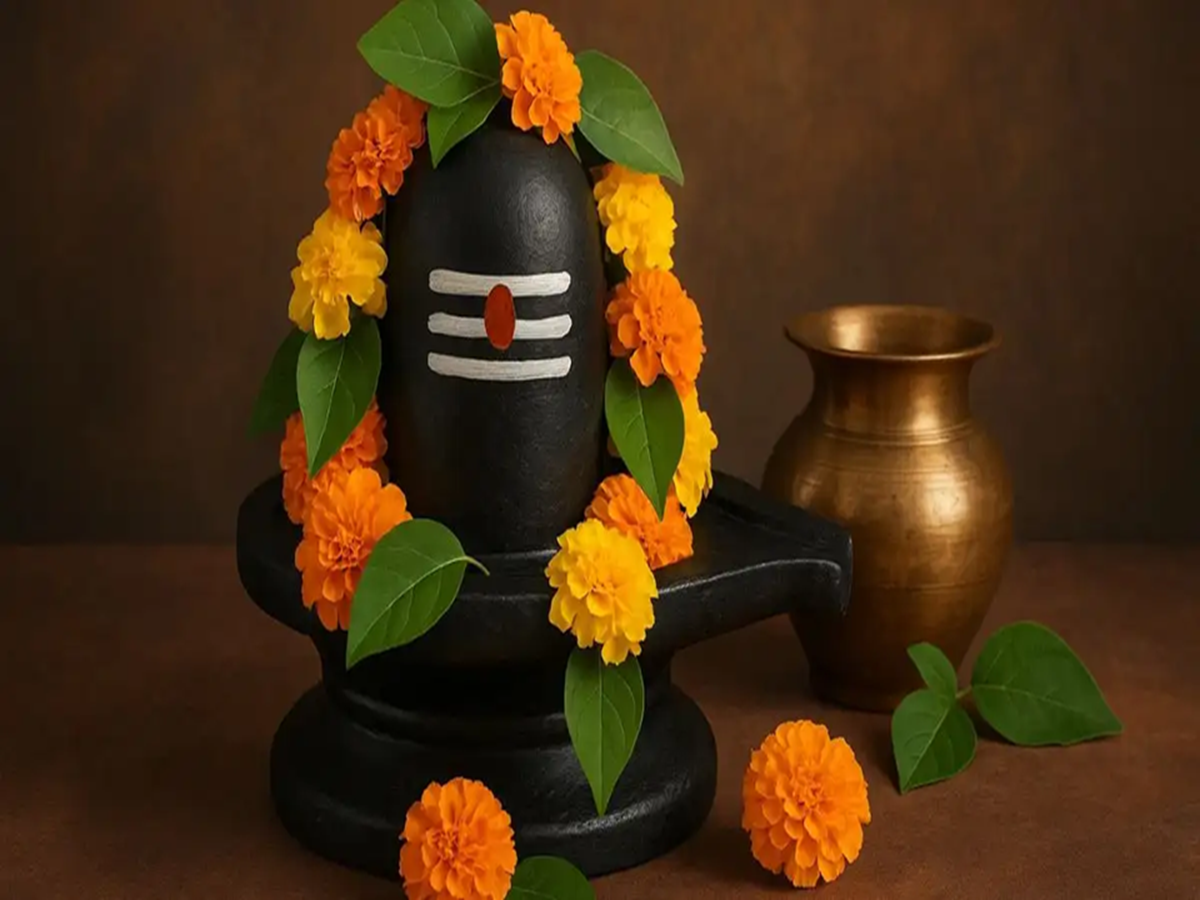
Offerings made to Lord Shiva include *Belpatra* (wood apple leaves), *Dhatura*, *Aak* flowers, white sandalwood paste, *Bhang*, *Akshat* (unbroken rice grains), white flowers, and seasonal fruits. Ensure that the *Belpatra* used is clean and has three leaflets.
**Which mantra should be chanted during Sawan?**
Chanting the "Om Namah Shivaya" mantra during worship is considered the simplest and most effective practice. Additionally, one can chant the *Mahamrityunjaya Mantra* with devotion.
**Mahamrityunjaya Mantra**
Om Tryambakam Yajamahe Sugandhim Pushti-Vardhanam |
Urvarukamiva Bandhanan Mrityor Mukshiya Mamritat ||
It is believed that regular chanting of the mantra brings peace to the mind and fosters the flow of positive energy.
**What offerings (*Bhog*) should be made to Lord Shiva?**
Offering *Sattvic* (pure and wholesome) *Bhog* to Lord Shiva on the first day of Sawan is considered auspicious. You can offer *Kheer* (rice pudding) made with milk, *Mishri* (rock sugar), seasonal fruits, *Makhana* (fox nuts), *Panchamrit*, or jaggery. Many families also follow the tradition of offering simple, homemade *Prasad*. Distributing the *Prasad* among all family members after the offering is considered auspicious. Things to Keep in Mind During Worship
Tulsi leaves are not offered during the worship of Lord Shiva. It is advised to avoid anger, arguments, and negative thoughts while performing rituals. If observing a fast, one should consume *sattvic* (pure and wholesome) food and continuously chant the name of Lord Shiva throughout the day. Nowadays, many people take a few minutes before heading to work to offer water to the *Shivling* at home. According to religious beliefs, worship performed with devotion holds significance, even if the time spent is brief.
Religious Significance of Worship During Sawan
The month of Sawan is not limited merely to fasting and rituals; it is also considered a time for self-restraint, positive thinking, and spiritual practice. During this period, devotees regularly visit Shiva temples, help the needy, and strive to adopt a *sattvic* lifestyle. It is believed that worshipping Lord Shiva during Sawan brings happiness to married life, peace to the family, success in endeavors, and mental balance. However, these beliefs are rooted in faith and are viewed through the lens of devotion.
PC Social Media