LIFESTYLE
Sawan 2026: Why are curd and kadhi not consumed during Sawan? Know the religious and scientific reasons..
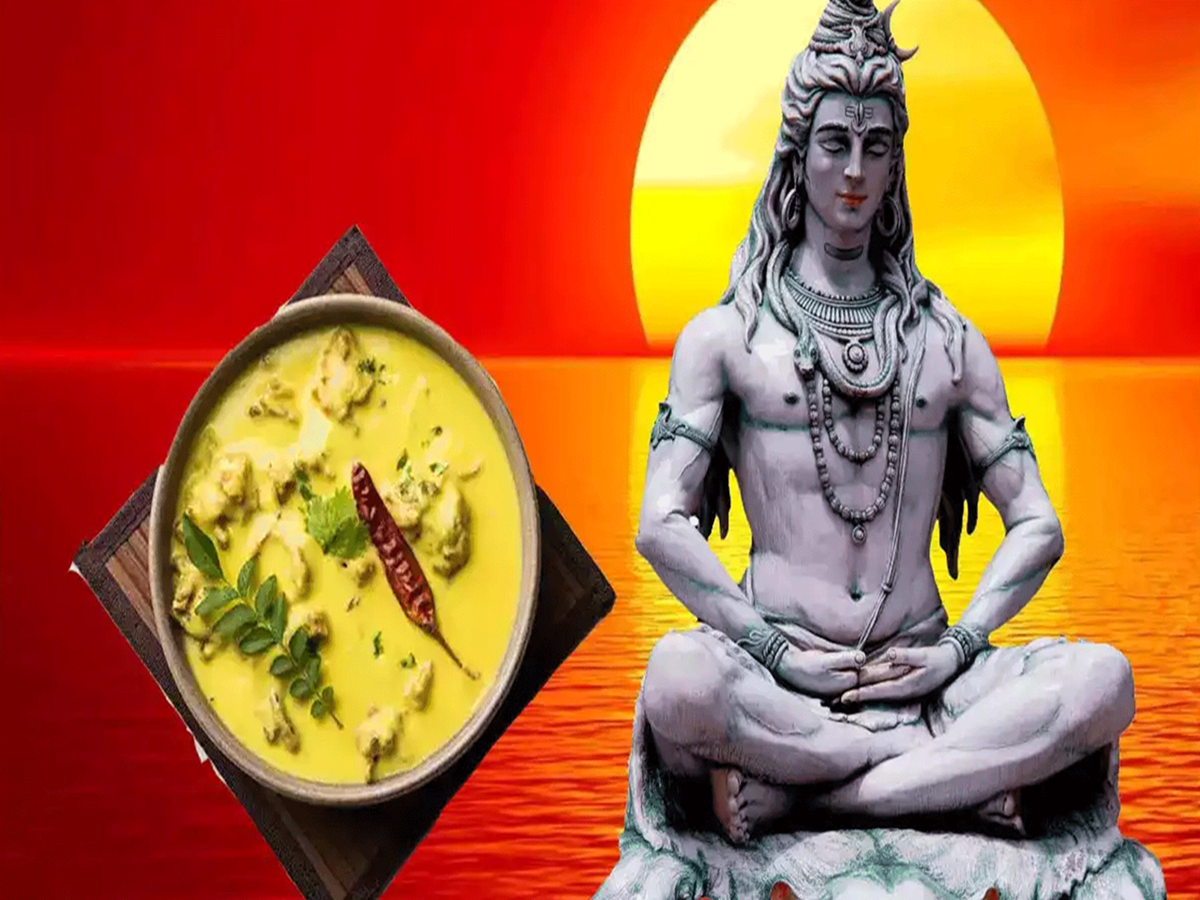
Sawan, the month dear to Lord Shiva, begins on Thursday, July 30, and concludes on Friday, August 28, coinciding with Sawan Purnima. The fast for the first Monday of Sawan will be observed on August 2nd. Throughout this month, devotees observe fasts, perform worship and *Rudrabhishek*, and adhere to a *sattvic* (pure and light) diet. There are strict prohibitions regarding the consumption of certain items during the month of Sawan. According to religious scriptures and Ayurveda, consuming milk and curd-based dishes—such as *kadhi* and *raita*—is forbidden during this period. Consuming these items during Sawan carries a risk of various ailments. Let us understand why curd and *kadhi* should be avoided during this month...
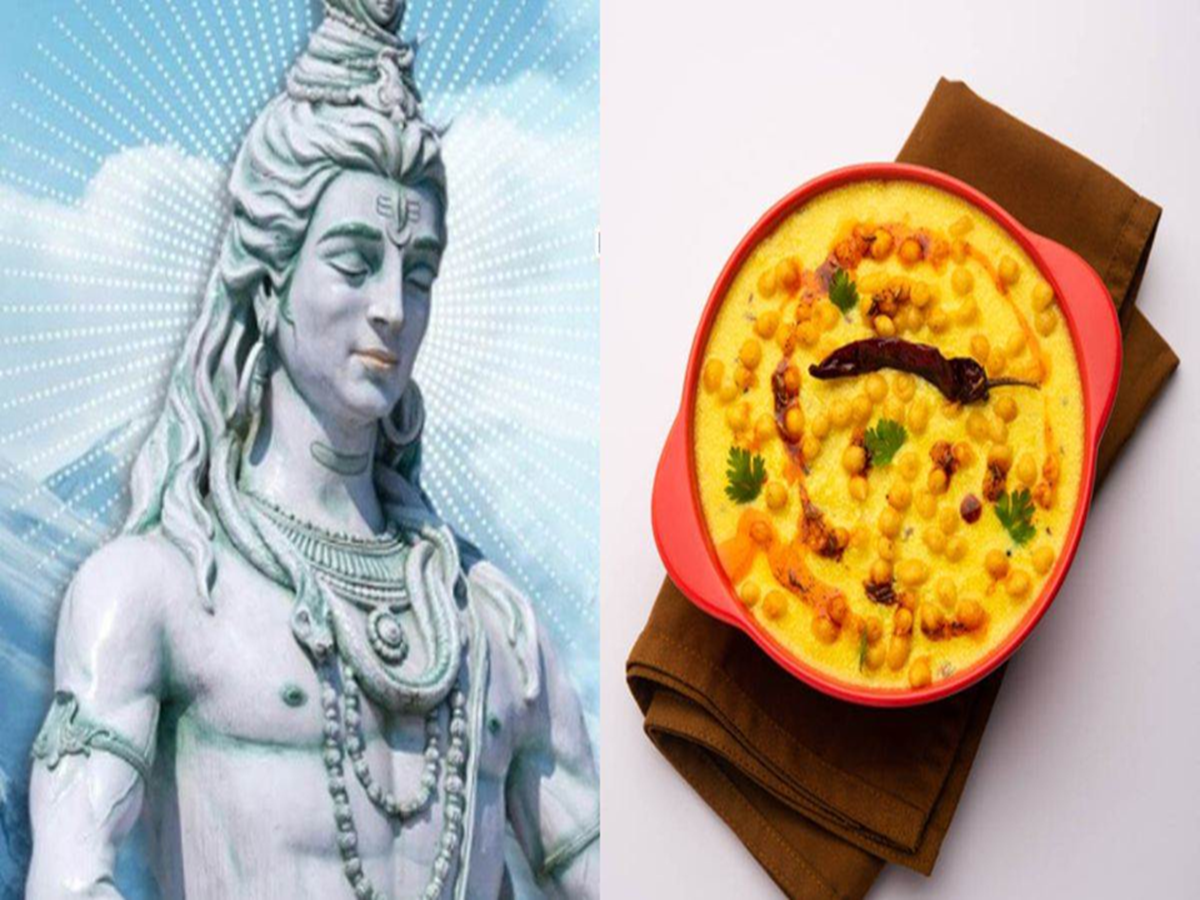
**Religious Significance of the Month of Sawan**
According to religious beliefs, the month of Sawan symbolizes penance, self-restraint, and a *sattvic* lifestyle. It is advised to avoid *tamasic* (heavy or lethargy-inducing) and heavy foods during this time. Many traditions advocate reducing the intake of curd, *kadhi*, and highly sour foods. It is believed that offering cooling and *sattvic* items to Lord Shiva during Sawan is auspicious, and consuming light, easily digestible food oneself is also considered beneficial.
**Potential Health Issues**
According to Ayurveda, Sawan falls in the middle of the monsoon season. During this weather, humidity levels are high, and digestive power tends to weaken. Curd is considered *Guru* (heavy) in nature and *Kapha*-aggravating. Excessive consumption of curd can lead to an increase in *Kapha* (mucus), throat problems, colds, and digestive issues. For this reason, Ayurveda advises against eating curd during the monsoon season, especially at night.
**Scientific Reasons**
Consuming milk, *kadhi*, and curd-based products during Sawan can lead to health problems. Consuming these items adversely affects the digestive system. In fact, the month of Sawan sees heavy rainfall, causing grass to grow in unwanted places; such grass often harbors various types of insects and pests. When cows and buffaloes go out to graze, they consume this type of grass, which affects their milk. Such milk is not considered beneficial for health; consequently, the consumption of milk and dairy products is traditionally avoided during the month of Sawan.

**Avoid these items as well**
Experts suggest that during Sawan, it is more beneficial to consume fresh fruits, green vegetables, moong dal, bottle gourd (lauki), ridge gourd (torai), pointed gourd (parwal), and light meals, while limiting the intake of ghee. Religious scholars believe that the dietary guidelines for Sawan are intended not only to foster religious discipline but also to safeguard health. Therefore, devotees should adopt a balanced and *sattvic* (pure and wholesome) diet, keeping in mind tradition, health, and medical advice. This ensures that the body remains healthy and energetic alongside one's spiritual practices during this month.
PC Social Media