LIFESTYLE
Sawan begins on July 30: If you are observing the fast for the first time, learn the rules from this comprehensive guide..
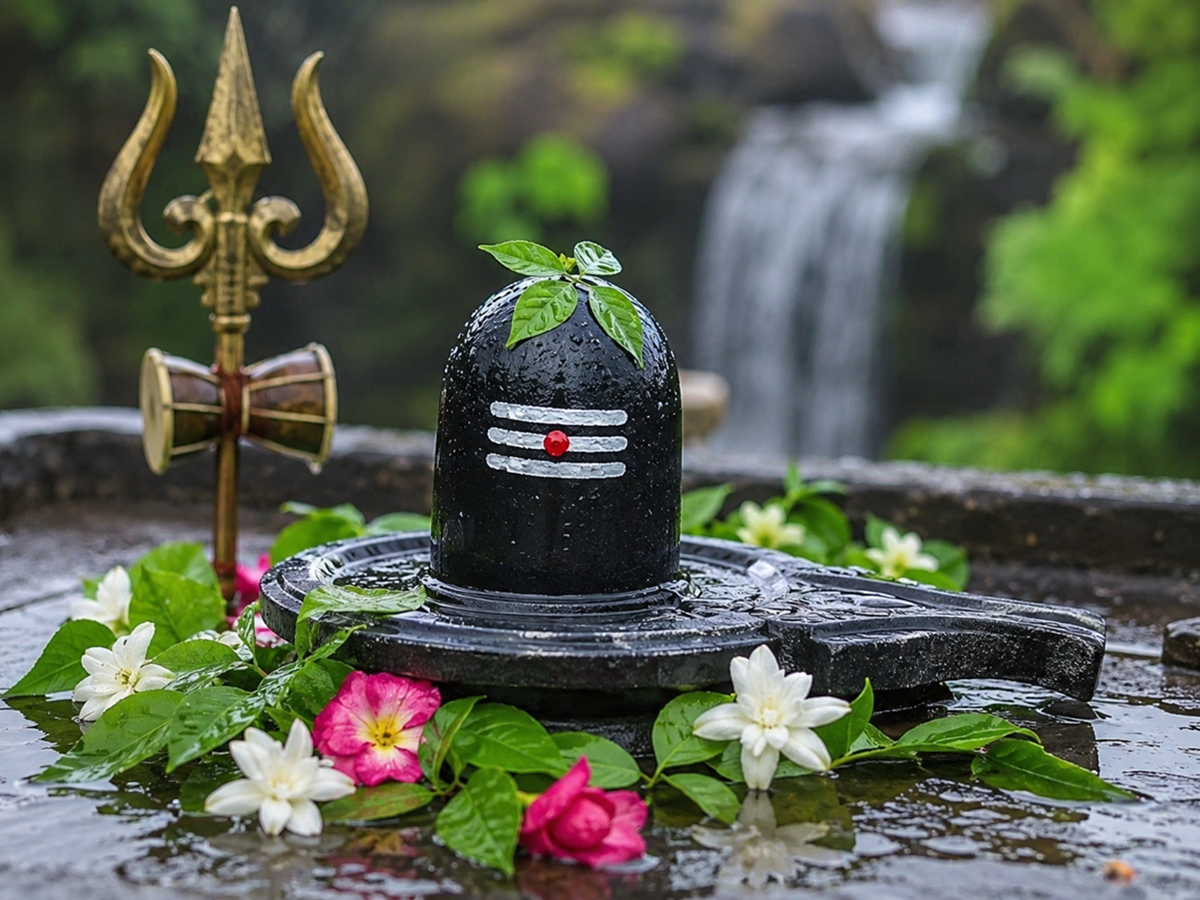
Sawan 2026 Fasting Guide: Sawan, the month beloved by Lord Shiva, begins on Thursday, July 30, coinciding with *Ayushman Yoga* and *Shravana Nakshatra*. On this day, the Moon will be in Capricorn and the Sun in Cancer. The *Pratipada Tithi* (first day) of the *Krishna Paksha* (waning phase) of the Shravan month lasts until 9:30 PM. This year, the month of Sawan spans 31 days, concluding on August 28. To seek Lord Shiva's blessings during Sawan, people observe the *Sawan Somvar* (Monday) fast; additionally, special prayers and fasting are performed on *Pradosh* and *Shivratri*.
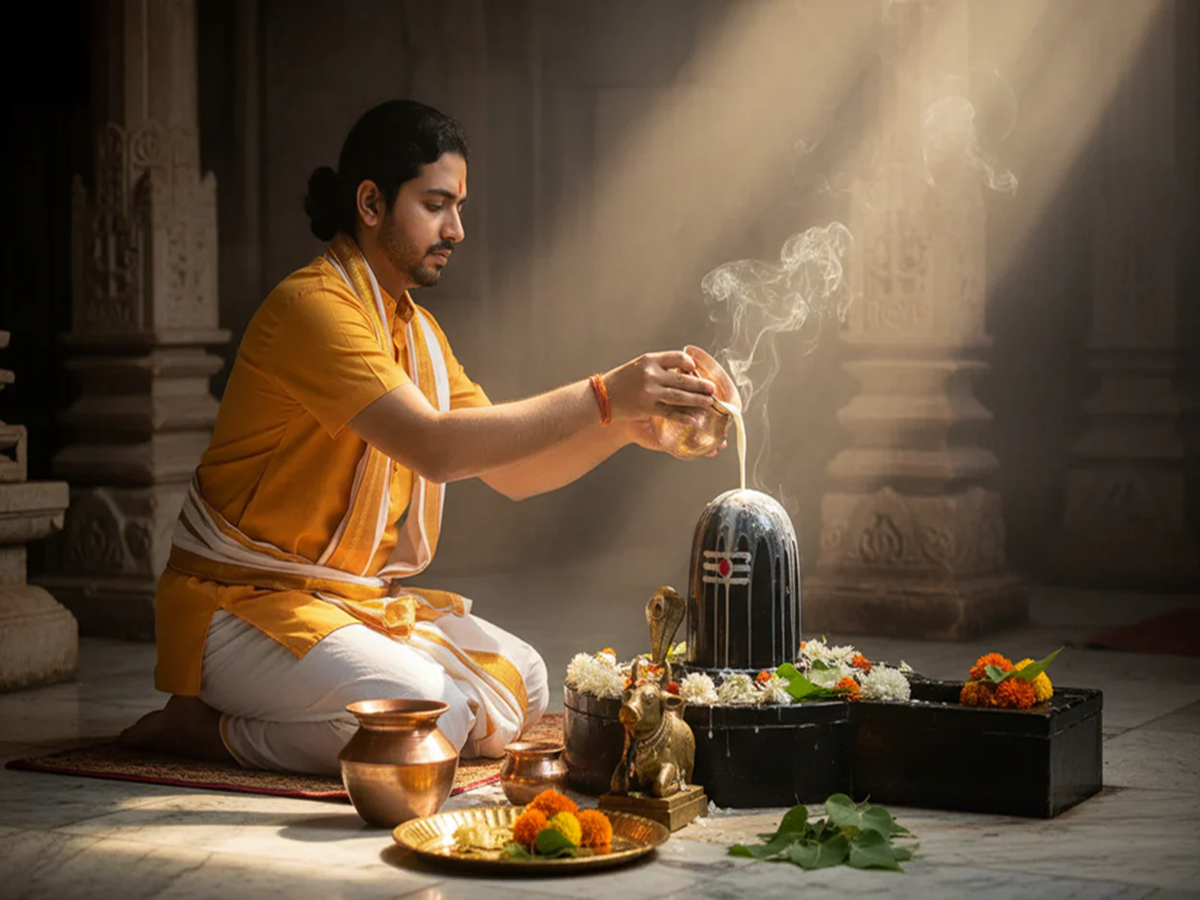
While those who have long observed these Sawan fasts and rituals are familiar with the rules, those observing them for the first time need to understand the protocols for Shiva worship. This comprehensive guide to Sawan fasting can assist you.
How to begin the Sawan fast?
First and foremost, the *Sawan Somvar* fast is observed by both men and women. Additionally, women observe the *Mangala Gauri* fast, and fasts are also kept on *Chaturthi*, *Pradosh*, and *Shivratri*. Although Sawan begins on July 30, the first *Sawan Somvar* falls on August 3; therefore, the fasting period effectively commences on that day. This year, there are four *Sawan Somvar* fasts and four *Mangala Gauri* fasts. *Sawan Shivratri* falls on August 11, while the *Pradosh* fasts fall on August 10 and August 25.
August 3: First Sawan Monday
August 10: Second Sawan Monday
August 17: Third Sawan Monday
August 24: Fourth Sawan Monday
August 4: First Mangala Gauri Fast
August 11: Second Mangala Gauri Fast
August 18: Third Mangala Gauri Fast
August 25: Fourth Mangala Gauri Fast
Commencing the Sawan Somvar Fast
If you wish to observe the *Sawan Somvar* fast, begin on August 3. Observe the fast on the first, second, third, and fourth *Sawan Somvar*. Conclude the observance—performing the *Udyapan* (ritual conclusion)—on August 24, following the prescribed rites. Some people follow a tradition of observing the fast for at least five Mondays; in addition to the four Mondays of the month of Sawan, they observe a fast on one Monday during the month of Bhadrapada and perform the concluding ritual (*Udyapan*) on that day.
Some individuals wish to observe the Monday fast throughout the year to fulfill a specific wish; they typically begin this practice on the first Monday of Sawan. For instance, the '16 Mondays' (*Solah Somvar*) fast concludes on the sixteenth Monday.
Once a fast has been initiated, performing the concluding ritual (*Udyapan*) is essential. You may also have seen people who observe the fast for a lifetime; even they are required to perform the concluding ritual after a certain period.
**Commencement of the Mangala Gauri Vrat**
Similarly, the Mangala Gauri fast is also observed. It begins with the first Mangala Gauri fast on August 4th and concludes with the final one on August 25th. If the Mangala Gauri fast is not traditionally observed in your region, you may observe the Sawan Monday fast instead.
**All Sawan Fasts**
If you wish to observe all the fasts dedicated to Lord Shiva during Sawan, you should include the two *Pradosh* fasts and *Sawan Shivratri* alongside the Sawan Monday fasts.
**Things to keep in mind when observing the fast for the first time?**
If you are observing the fast for the first time, make a vow today that you will not consume *Tamasic* (impure or stimulating) foods throughout the month of Sawan. During this entire month of Shravan, you must abstain from meat, alcohol, smoking, and similar habits.
From the moment Sawan begins, you must adhere to the rules of *Brahmacharya* (celibacy/sensory restraint) for the entire month. If you are married, observe the norms of a disciplined householder's life.
On the first Monday of Sawan, wake up early, complete your morning ablutions, bathe, and wear clean clothes. Then, holding water in your hand, take a solemn vow (*Sankalp*) to observe the fast and worship Lord Shiva.
Any fast begins with a vow (*Sankalp*); there is no alternative to this vow, and a fast is not started without it. It keeps you mindful of your goal and your determination.
When observing the fast, you must keep yourself pure in thought, word, and deed. It would be contradictory to worship Shiva while harboring deceit or malice in your heart. If one harbors feelings of violence and hatred towards others, such fasts and acts of worship are futile.
Lord Shiva consumed poison to save the universe; however, some people misinterpret this act and begin consuming intoxicants themselves, seeking to satisfy their *tamasic* (base) desires in the name of Lord Shiva. This is entirely inappropriate.
On the days of the fast, perform *Jalabhishek* (ritual bathing with water) of Lord Shiva using holy water. Worship Him with offerings such as *Belpatra* (wood apple leaves), *Akshat* (unbroken rice grains), raw cow's milk, honey, sandalwood paste, flowers, *Bhang*, *Dhatura*, and *Shami* leaves.
During the worship, men should chant the mantra "Om Namah Shivaya," while women should chant "Namah Shivaya." If you have received a *Guru Mantra*, you may chant that as well. Recite the *Shiv Chalisa* and conclude the worship with *Aarti*. Light a lamp near the *Shivling* in the evening.
Even on days when you are not fasting, continue to perform *Jalabhishek* of Lord Shiva throughout the month of *Sawan*. You will be blessed by Lord Shiva's grace.
If possible, you may also have a *Rudrabhishek* performed on any of the days you observe the fast.
PC Social Media