FASHION
Sharadiya Navratri 2026: Which color to wear on each day of Navratri? Check the complete 9-day list here..
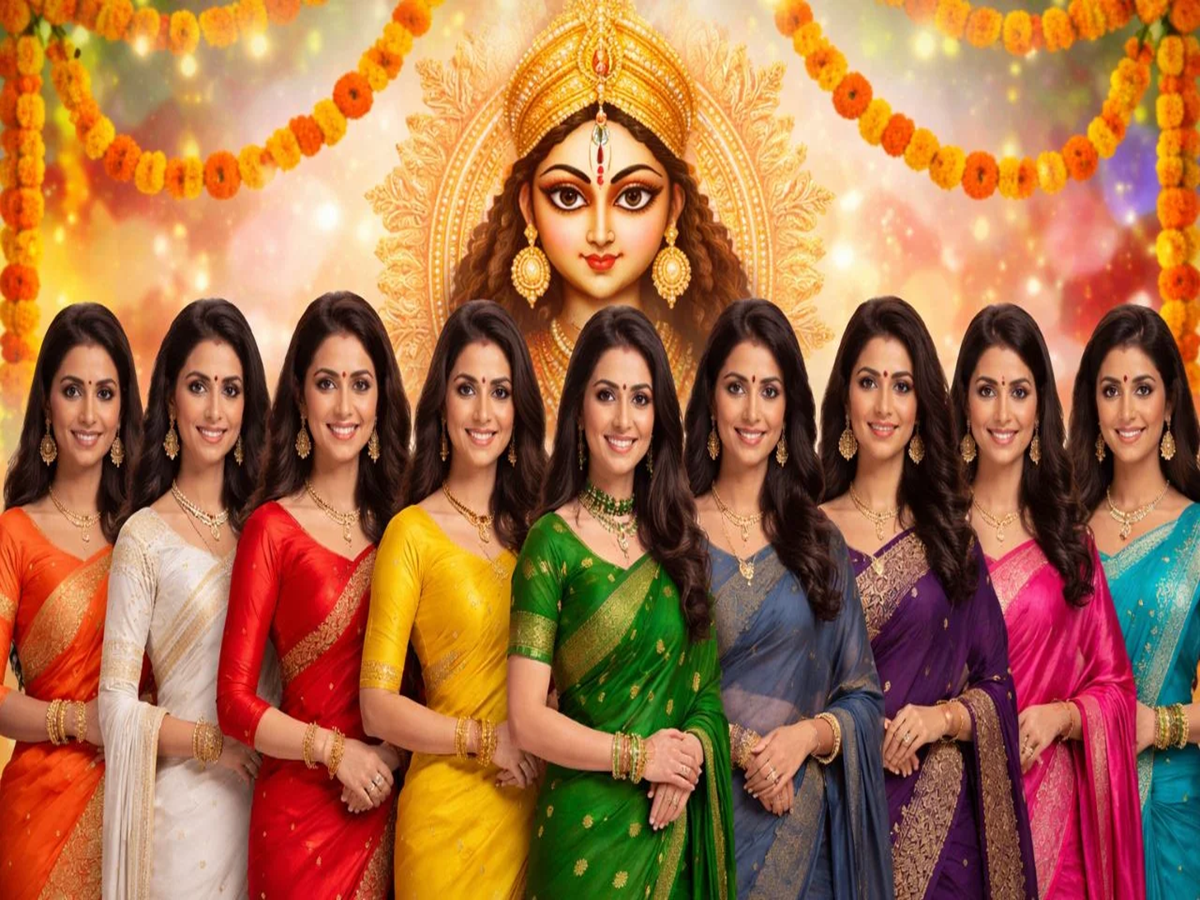
Navratri Colours: The nine days of Navratri are considered the most sacred and powerful time for worshipping the Goddess. Each of the nine distinct forms of *Aadishakti* (the Primal Energy) is worshipped uniquely. Every Goddess has a favorite colour, and incorporating that specific colour into the worship is believed to bring auspiciousness and blessings.
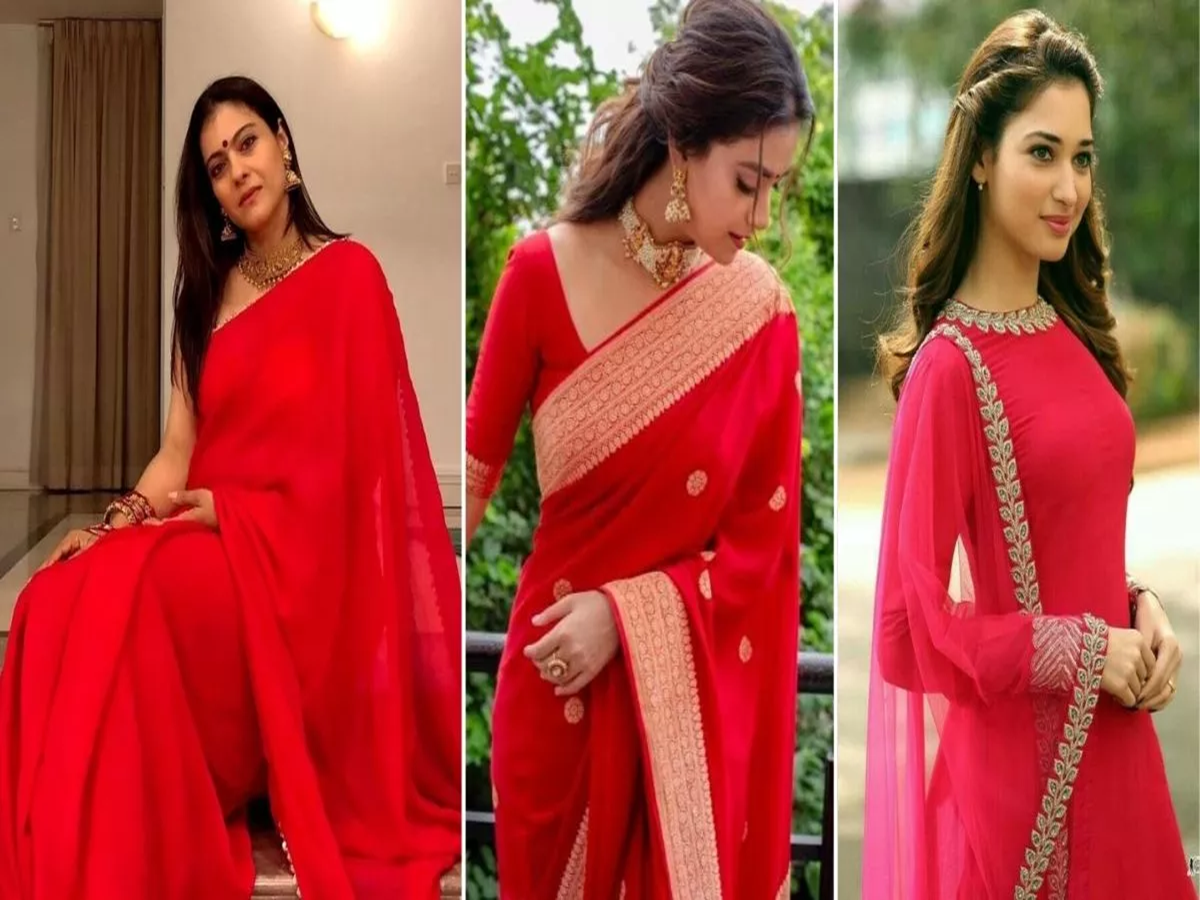
Colours hold special significance during Navratri. The tradition of observing nine specific colours for the nine days is particularly popular in states like Gujarat and Maharashtra, where devotees incorporate the designated colour of the day into their attire and decorations alongside their worship.
From the first day of Navratri through to *Mahanavmi*, the question "Which colour should I wear for Navratri today?" inevitably crosses people's minds before their daily prayers. If you are planning to incorporate the colour of the day into your look this time, simply remembering the colour isn't enough. It is also fascinating to know which colour corresponds to which day and the emotions or qualities traditionally associated with that colour.
In 2026, *Shardiya Navratri* will begin on Sunday, October 11, with the ninth day falling on October 19. Let us explore the complete calendar of colours for the nine days of Navratri in 2026, the traditional beliefs associated with them, and easy ways to incorporate them into your festive or worship attire.
The 9 Days of Navratri 2026 and Auspicious Colours
October 11 – Wear Orange on the First Day of Navratri
Orange is the designated colour for the first day of Navratri. Traditionally, it is associated with energy, enthusiasm, and positivity. An orange saree, *kurti*, or *dupatta*—or an orange *kurta* for men—can be a great part of your festive look.
October 12 – White on the Second Day of Navratri
Goddess Brahmacharini is worshipped on the second day of Navratri. She is depicted wearing white attire, holding a prayer rosary in her right hand and a *kamandal* (water pot) in her left. White is traditionally considered a symbol of purity, peace, and simplicity. Light red or golden accessories paired with a white saree or kurta can create a beautiful festive combination.
October 13: Red for the Third Day of Navratri
On the third day of Navratri, Goddess Chandraghanta is worshipped. She is named Chandraghanta because a bell-shaped crescent moon adorns her forehead.
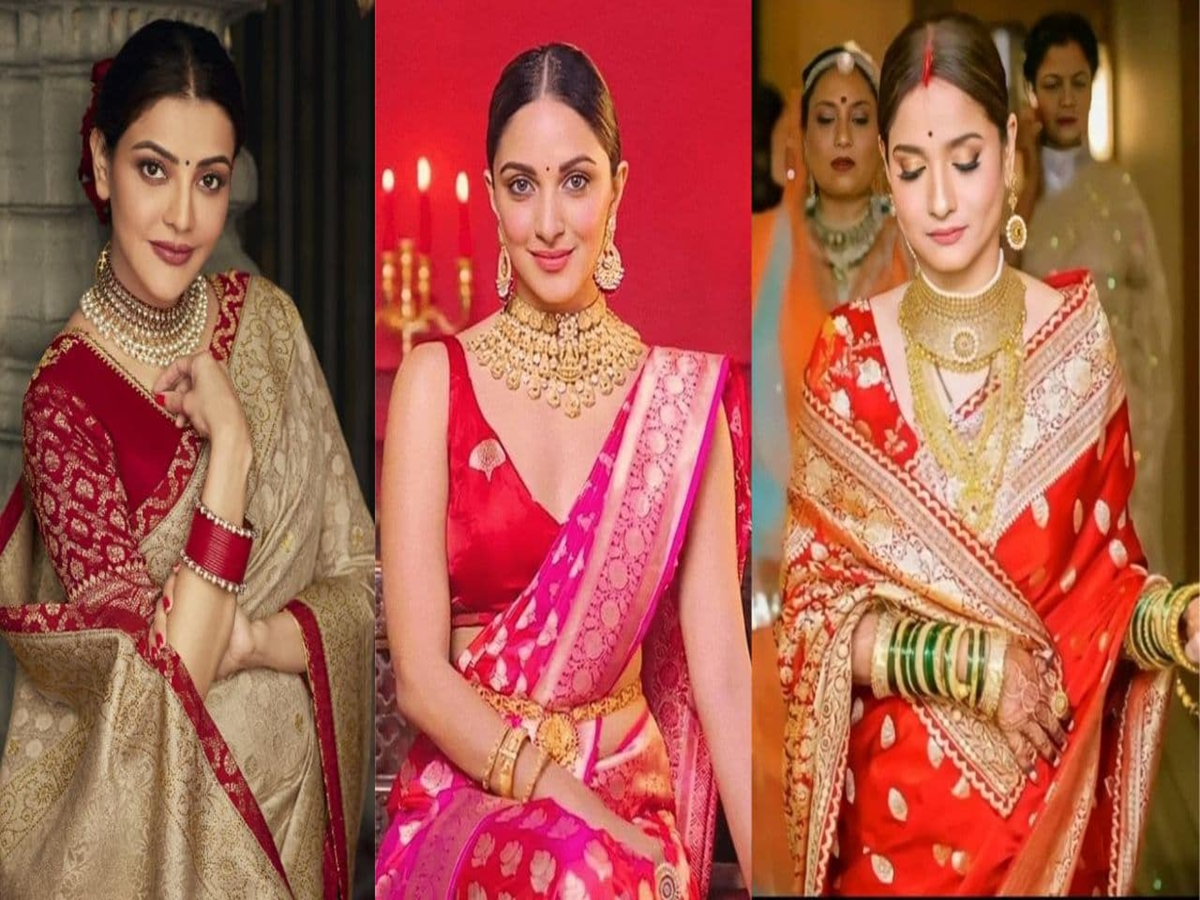
Red is the color to be worn on the third day. Traditionally, red is associated with power, enthusiasm, and love. The use of a red *chunri* (scarf/veil) is also very popular in the worship of the Goddess. A red saree, *lehenga*, *kurta*, or a red *chunri* would be excellent choices for this day.
October 14: Royal Blue for the Fourth Day of Navratri
On the fourth day of Navratri, Goddess Kushmanda is worshipped. She is considered the primordial energy of creation and the architect of the universe. This form of the Goddess has eight arms; hence, she is also known as *Ashtabhuja*. The color for this day is royal blue. In the *Panchang* (almanac) tradition, this color is associated with qualities like peace and prosperity.
Fashion Idea: Pairing a royal blue saree or *kurta* with silver jewelry can give a unique touch to your festive look.
October 15: Yellow for the Fifth Day of Navratri
On *Panchami* (the fifth day), Goddess Skandamata—the fifth form of Goddess Durga—is worshipped. She is depicted holding the infant Skanda in her lap and is seated upon a lion (or a lotus). She has four arms; she holds lotus flowers in two of them, while one hand is held in the *Var Mudra* (gesture of bestowing blessings). Wearing yellow on the fifth day is considered auspicious. Traditionally, yellow is associated with happiness, warmth, and positivity.
October 16: Green for the Sixth Day of Navratri
On the sixth day of Navratri, Goddess Katyayani is worshipped. Goddess Katyayani possesses a divine, radiant form that shines like gold. Her vehicle is a lion, and she has four arms. Her upper right hand displays the *Abhaya Mudra* (gesture of fearlessness), while the lower right hand shows the *Vara Mudra* (gesture of bestowing boons). Her upper left hand holds a sword, and the lower left hand is adorned with a lotus flower.
One should wear green on the sixth day. This color is associated with nature, growth, peace, and new beginnings. Style Tip: Pairing a green *lehenga*, saree, or *kurti* with golden accessories can create a traditional look.
October 17 (Navratri Mahasaptami): Grey
Goddess Kalaratri is worshipped on Mahasaptami. She is considered the seventh and fiercest manifestation of Goddess Durga and is regarded as a form of Goddess Kali. She has three large, round eyes that radiate a glow resembling the light of the cosmos and the brilliance of lightning.
She rides a donkey and has four arms. Her upper right hand bestows blessings upon devotees in the *Varada Mudra*, while her lower right hand offers the assurance of fearlessness in the *Abhaya Mudra*. The color for the seventh day is grey. In traditional color symbolism, this color is associated with balance and practicality.
What to wear?
A grey saree or suit paired with silver jewelry can be an elegant choice.
October 18, Navratri Durga Ashtami: Purple
Goddess Mahagauri is worshipped on Durga Ashtami. Her complexion is extremely fair (white) and radiant; she is adorned in white garments and ornaments and is seated upon a white bull. She has four arms. One should wear white or purple on the eighth day. Traditionally, purple is associated with grandeur and a regal aura.
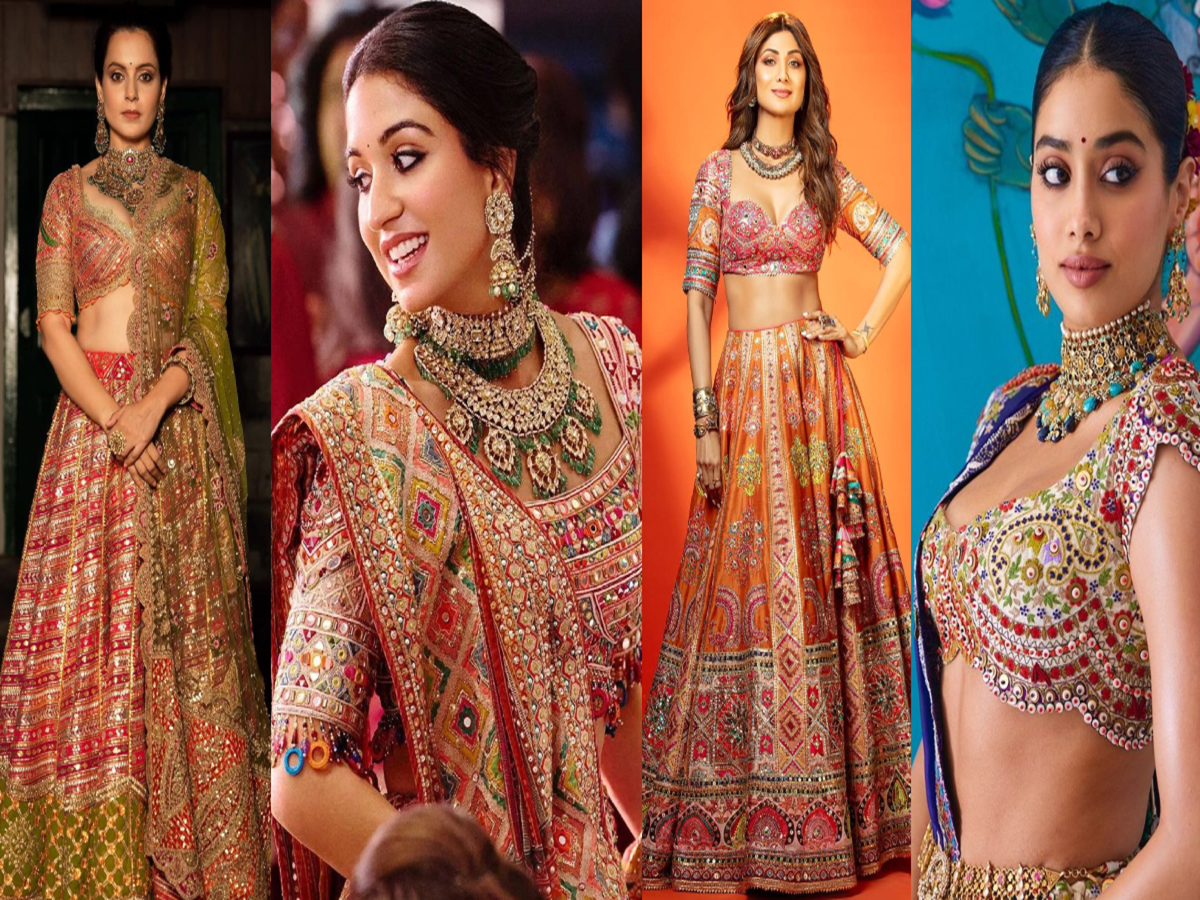
Fashion Idea: A purple saree, *lehenga*, or *kurta* with a golden border can enhance your festive look.
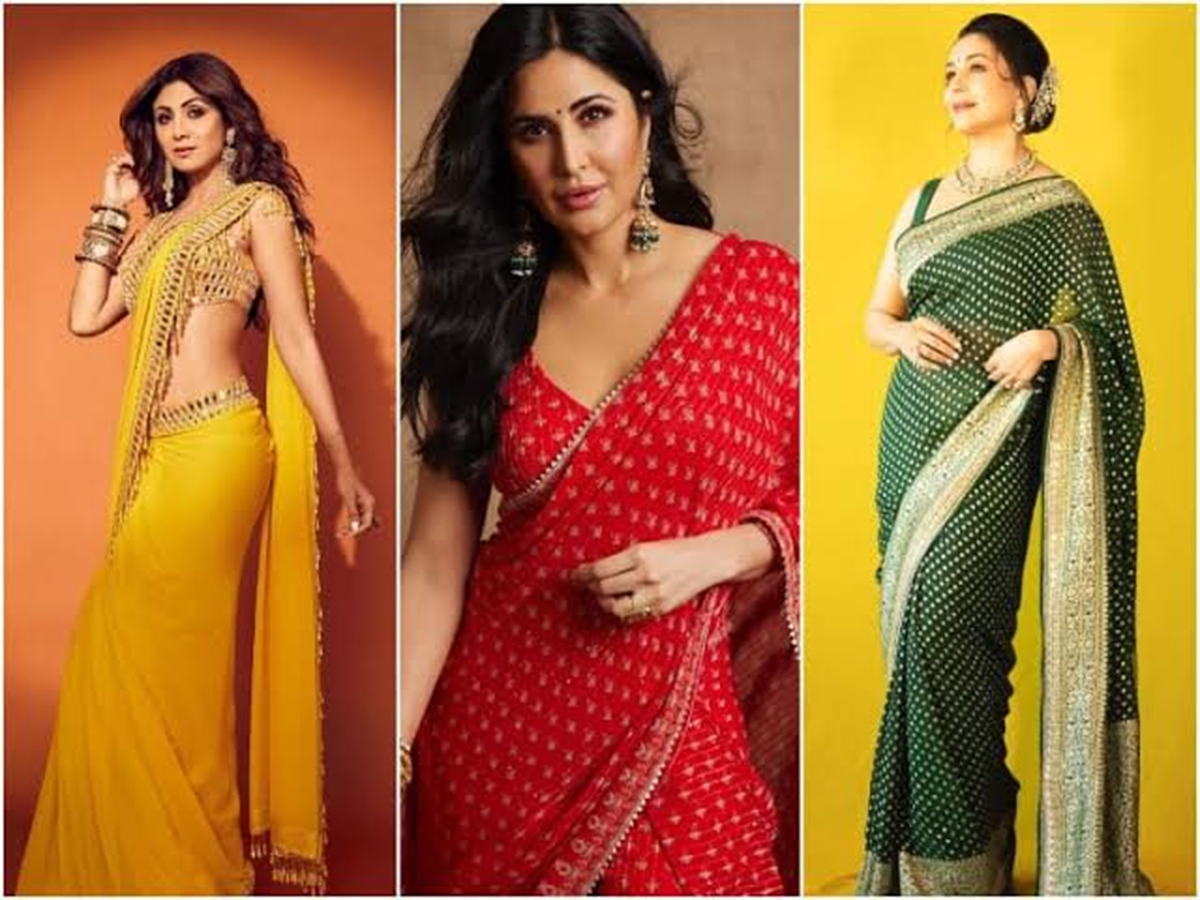
October 19, Navratri Mahanavami: Peacock Green
Goddess Siddhidatri is worshipped on the ninth day of Navratri, a day celebrated as Mahanavami. Wearing 'Peacock Green' on this day is considered auspicious. It is a beautiful blend of blue and green, traditionally associated with prosperity, novelty, and uniqueness. Whether adorning the Goddess or getting ready for the puja yourself, incorporate the peacock green color into your attire.
What to wear: A peacock green saree, *lehenga*, or *kurta* can be a splendid choice for this day.
PC Social Media