Retinoids are gaining popularity on social media. Whether it's reducing wrinkles, preventing acne, or improving skin tone, retinoids are effective on every front. However, despite their many benefits, their biggest challenge is their potency.
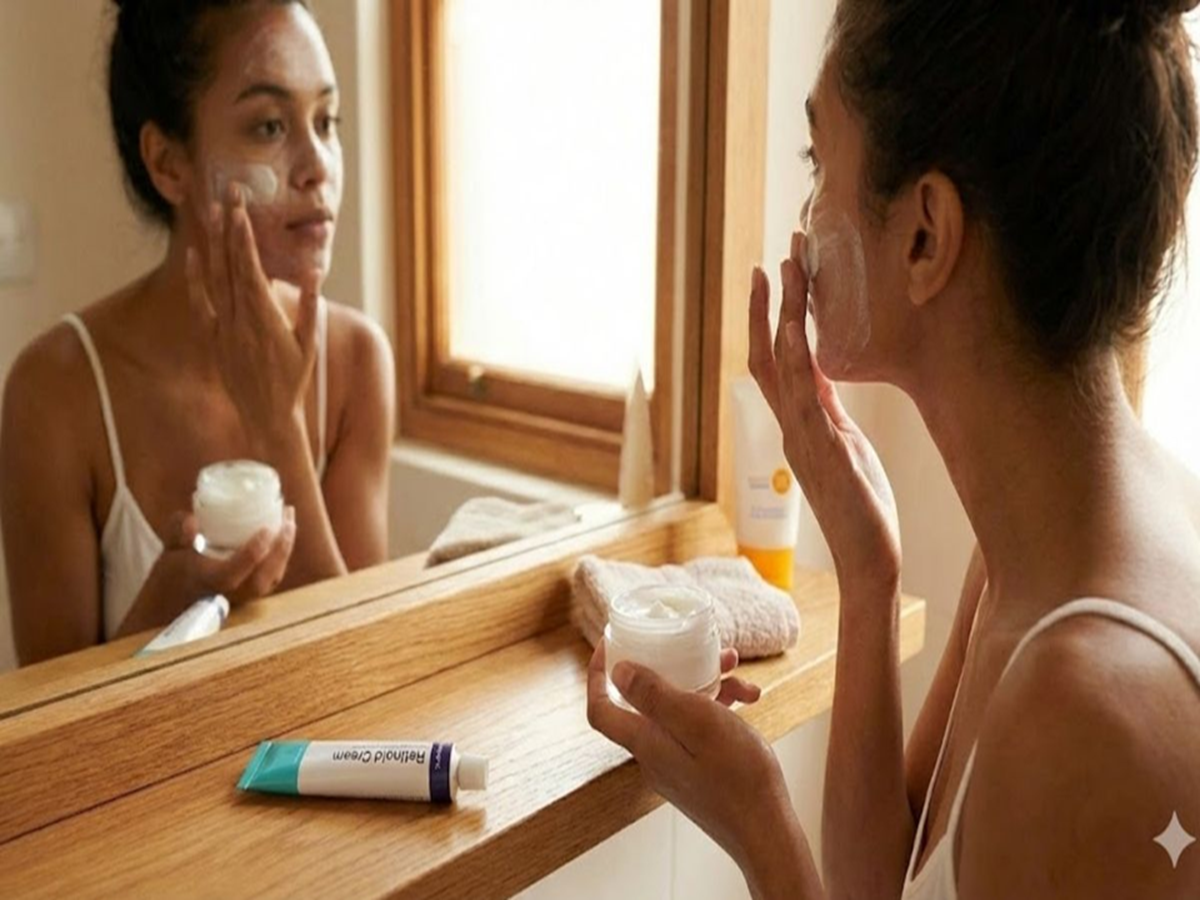
If not used correctly, they can cause skin irritation, dryness, and redness. If you're using a retinoid for the first time, it's crucial to keep these 5 basic rules in mind.
Start with a Low Concentration
Retinoids come in many types and strengths. Using the strongest form at first can be harmful to your skin. Always start with a low percentage of retinol (such as 0.1% or 0.2%). Let your skin get used to this new ingredient. As your skin becomes more tolerant, you can gradually increase the concentration.
Adopt the Sandwich Method
If you have sensitive skin, the sandwich method can be a boon. In this, you first apply a thin layer of moisturizer to your face, then apply a retinoid over it, and then apply another layer of moisturizer. This technique reduces the direct contact of the retinoid, significantly reducing the risk of irritation and dryness.
Sunscreen is essential
Retinoids help promote cell turnover, i.e., the formation of new cells. Therefore, your skin becomes more sensitive to sunlight. Always apply it at night. Also, whether it's cloudy the next day or you're indoors, be sure to apply sunscreen of at least SPF 30 or higher. Using a retinoid without sunscreen can damage your skin instead of benefiting it.
Give the retinoid time.
Retinoids aren't an overnight miracle. It can take 3 to 6 months to see benefits. Initially, apply it only two or three times a week. Once you feel no irritation, gradually increase your daily use. Remember, haste often pays off in skincare.
Don't mix with other active ingredients.
Keep your routine simple when applying retinoids. Avoid using actives like vitamin C, glycolic acid, or salicylic acid the night you apply retinoids. Mixing these can disrupt your skin barrier, leading to redness or itching.
PC Social Media