FASHION
SPF 30 or 50: Which Sunscreen Is the Perfect Fit for Your Skin? Know These Things Before Buying...

During the summer season, the moment you step out of the house, you are confronted by scorching sunlight. The UV rays emitted by sunlight can cause significant damage to our skin. Therefore, applying sunscreen is essential to protect your skin from the sun.
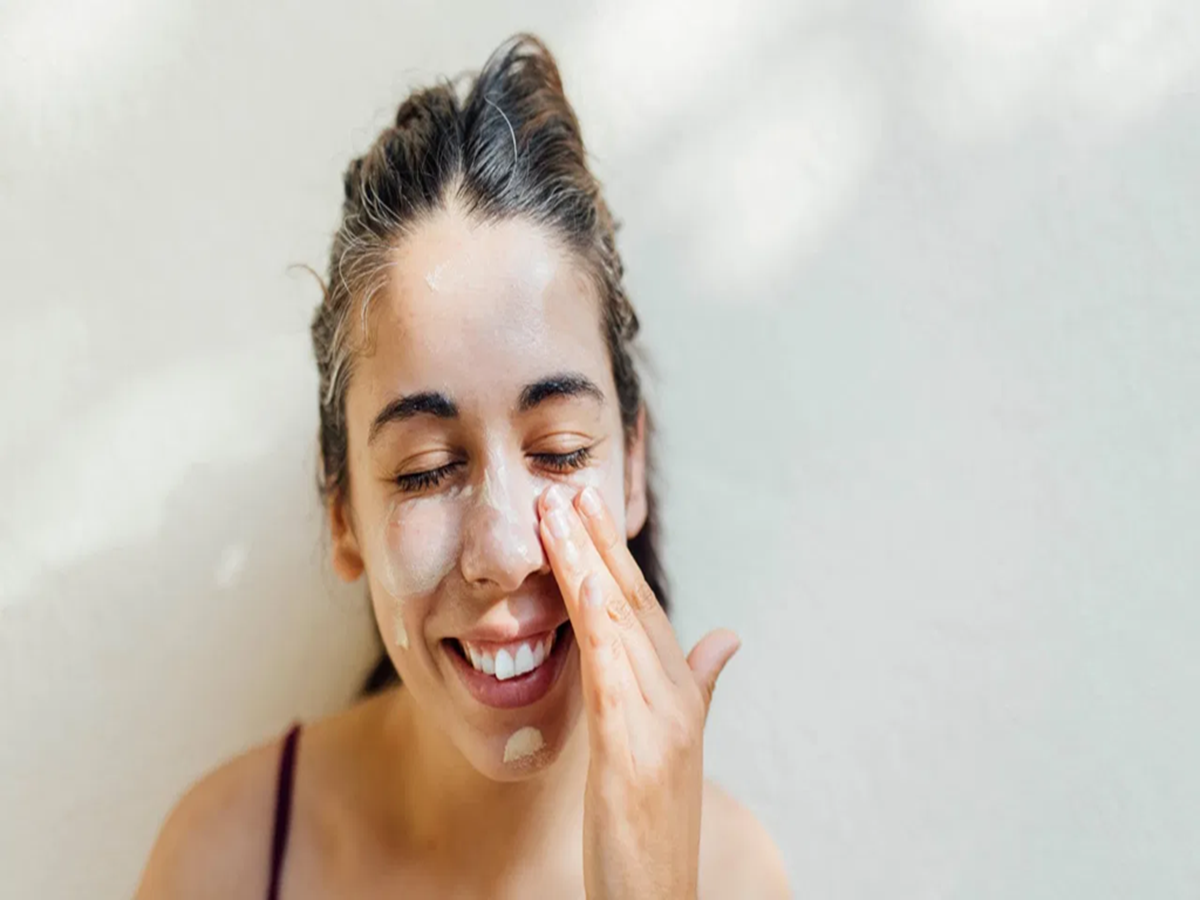
Let's explore why sunscreen is vital for your skin, what SPF level you should use, and what factors to consider when purchasing sunscreen.
**Why is Sunscreen Essential for the Skin?**
Sunlight emits both UVA and UVB rays. Sunscreen acts as a shield to protect the skin from these harmful rays. These ultraviolet rays can lead to various skin issues, against which sunscreen provides protection.
**Preventing Premature Aging:** Sun exposure causes wrinkles, fine lines, and sagging on the face—a process known as photo-aging. Sunscreen is highly effective in preventing this.
**Protection Against Hyperpigmentation:** Exposure to sunlight can result in dark spots and pigmentation on the face. Sunscreen helps maintain the skin's natural radiance and even tone.
**Reducing the Risk of Skin Cancer:** Regular use of sunscreen also helps lower the risk of developing skin cancer.
**What SPF Level Should You Use?**
SPF (Sun Protection Factor) measures how long a sunscreen can protect your skin from UVB rays.
**SPF 15:** This blocks approximately 93% of UVB rays. It is suitable for those who spend most of their time indoors.
**SPF 30:** This blocks approximately 97% of these rays.
**SPF 50:** This blocks approximately 98% of these rays. If you plan to spend extended periods outdoors or are heading to the beach, SPF 50 is the superior choice.
Remember, no sunscreen offers 100% protection; therefore, it is crucial to reapply it every 2 to 3 hours.
**What to Consider When Buying Sunscreen?**
Choosing the right sunscreen is just as important as applying it. Keep these points in mind when making a purchase:
**Broad Spectrum:** Always choose a sunscreen labeled "Broad Spectrum." This indicates that it protects against both UVA and UVB rays.
**PA Rating:** Look for PA+, PA++, or PA+++ on the packaging. The more plus signs (+) there are, the better the protection offered against UVA rays.
**Skin Type:** If you have oily skin, opt for a gel-based or matte-finish sunscreen. If you have dry skin, choose a lotion-based or cream-based hydrating sunscreen.
**Water Resistant:** If you tend to sweat heavily or enjoy swimming, select a water-resistant option.
**The Risks of Skipping Sunscreen**
If you neglect to use sunscreen, your skin can suffer various forms of damage:

**Sunburn:** Redness of the skin, accompanied by burning sensations and itching.
**Dark Spots:** The appearance of dark spots and pigmentation on the face.
**Loss of Elasticity:** The skin loses its resilience, causing it to appear prematurely aged and sagging.
PC Social Media