
LIFESTYLE
Stress Eating: Do you also feel hungry as soon as your mood turns sour? Learn about the signs of stress eating and ways to stop it..

Causes of Overeating: Do you frequently feel the urge to eat, especially when you are stressed, upset, or lonely? If so, this might not be genuine hunger but a sign of "stress eating." The fast-paced nature of modern life, work pressure, anxiety, and emotional fluctuations all impact our eating habits.
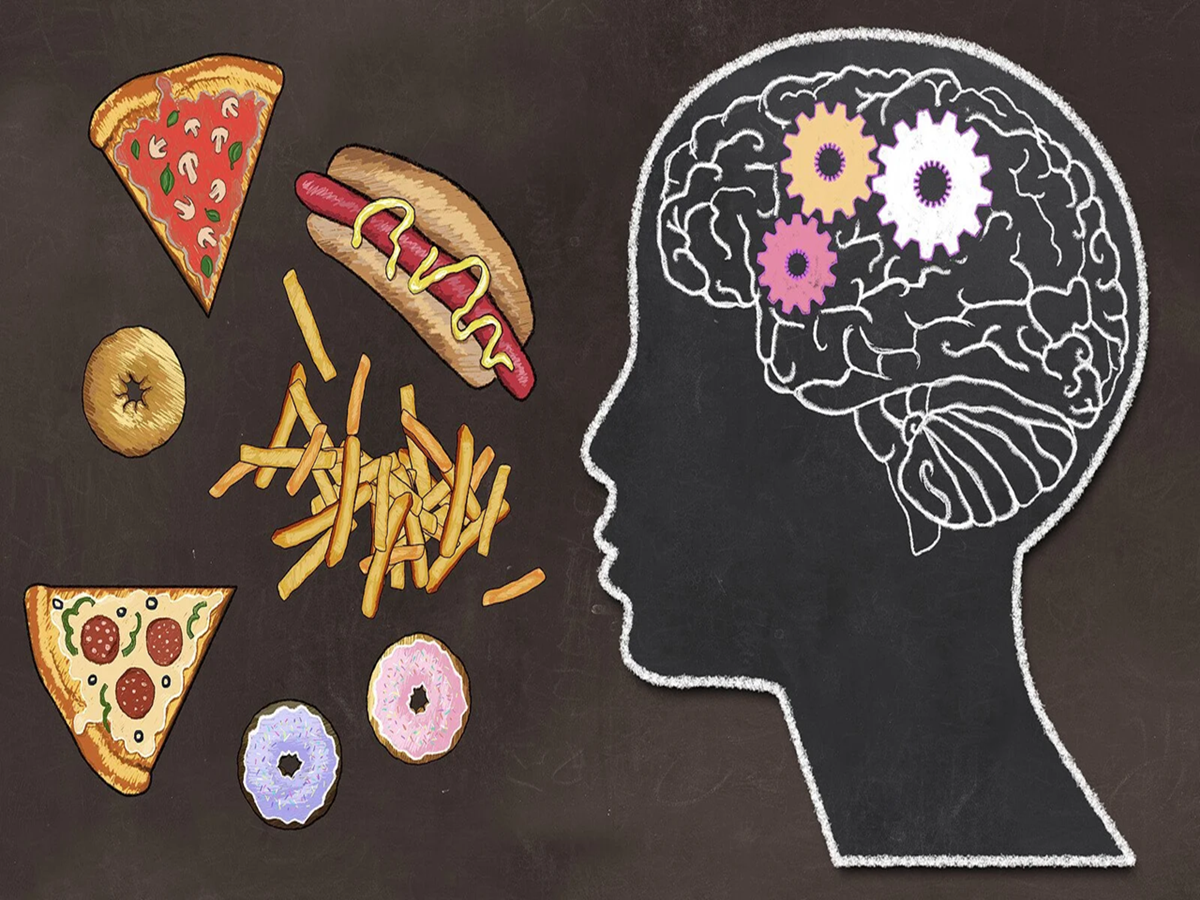
While eating might provide a temporary sense of well-being, this habit can eventually lead to weight gain, obesity, and various health issues. Therefore, it is important to understand what stress eating is, recognize its signs, and learn how to control it.
First, let’s understand what stress eating is.
Stress eating is a condition where a person begins to eat in response to stress, anxiety, anger, sadness, or emotional distress rather than actual physical hunger. Individuals often gravitate towards foods high in sugar, fat, and calories. During times of stress, the body's levels of the hormone cortisol can rise, potentially increasing appetite and the urge to overeat.
Why do we feel the urge to eat frequently?
Stress and anxiety
When a person is stressed, the brain instinctively seeks things that provide comfort or happiness. Sweet treats or favorite foods can temporarily improve one's mood, leading people to eat repeatedly.
Emotional hunger
Often, a person feels the urge to eat even when their stomach is full. This type of hunger is driven by emotions rather than the body's physical needs.
Lack of sleep
Insufficient sleep can affect the hormones that regulate appetite, potentially increasing cravings for sugary, fried, or high-calorie foods.
Boredom and loneliness
Many people start eating out of habit when they have free time or are feeling lonely. Over time, this can develop into a persistent habit.
Signs of Stress Eating
Eating without feeling hungry
Overeating during times of stress
Increased cravings for sweets and junk food
Feeling guilty after eating
Inability to control food intake
Frequent snacking
Harmful Effects of Stress Eating
If stress eating persists over a long period, it can lead to several issues:
Weight gain
Obesity
Elevated blood sugar levels
Digestive problems
Reduced self-confidence
Poor dietary habits
How to Control Stress Eating?
Activities like yoga, meditation, walking, and deep breathing can help reduce stress.
If you feel the urge to snack, opt for fruits, nuts, sprouts, or other healthy snacks.
Keeping a record of what and when you eat throughout the day can help you understand your eating habits.
Getting 7–8 hours of sleep daily helps balance the hormones associated with hunger and stress.
Engaging in activities like reading, exercising, or pursuing a hobby during free time can help curb the habit of unnecessary eating.

When Should You Seek Expert Help?
If you are unable to control your eating habits, are gaining excessive weight, or are experiencing persistent stress and anxiety, it is advisable to consult a doctor or a mental health professional.
PC Social Media