
LIFESTYLE
Temple Vastu: Is there constant tension or frequent arguments in your home? Check if there are such idols in your home temple..
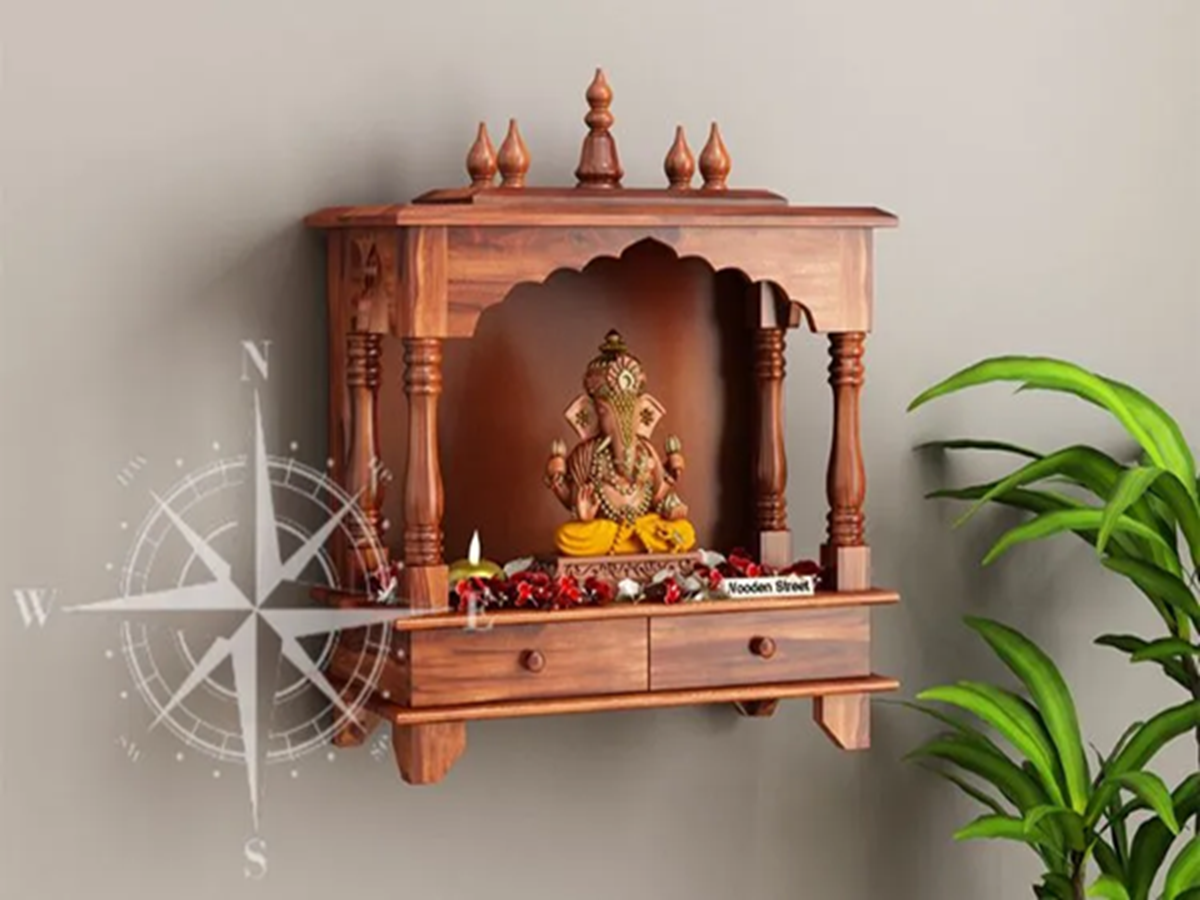
A home temple is not merely a place for worship; people believe it is the very source from which happiness, peace, and positive energy flow into the home. However, people sometimes unknowingly install idols that cause the atmosphere of the house to become heavy or oppressive. In some instances, tension begins to escalate over trivial matters, while in others, the mind remains restless. According to Vastu Shastra, every idol placed in the temple exerts a specific influence on the home and the family residing within it. Consequently, it is crucial to understand which idols should be placed in the temple and which should be avoided.
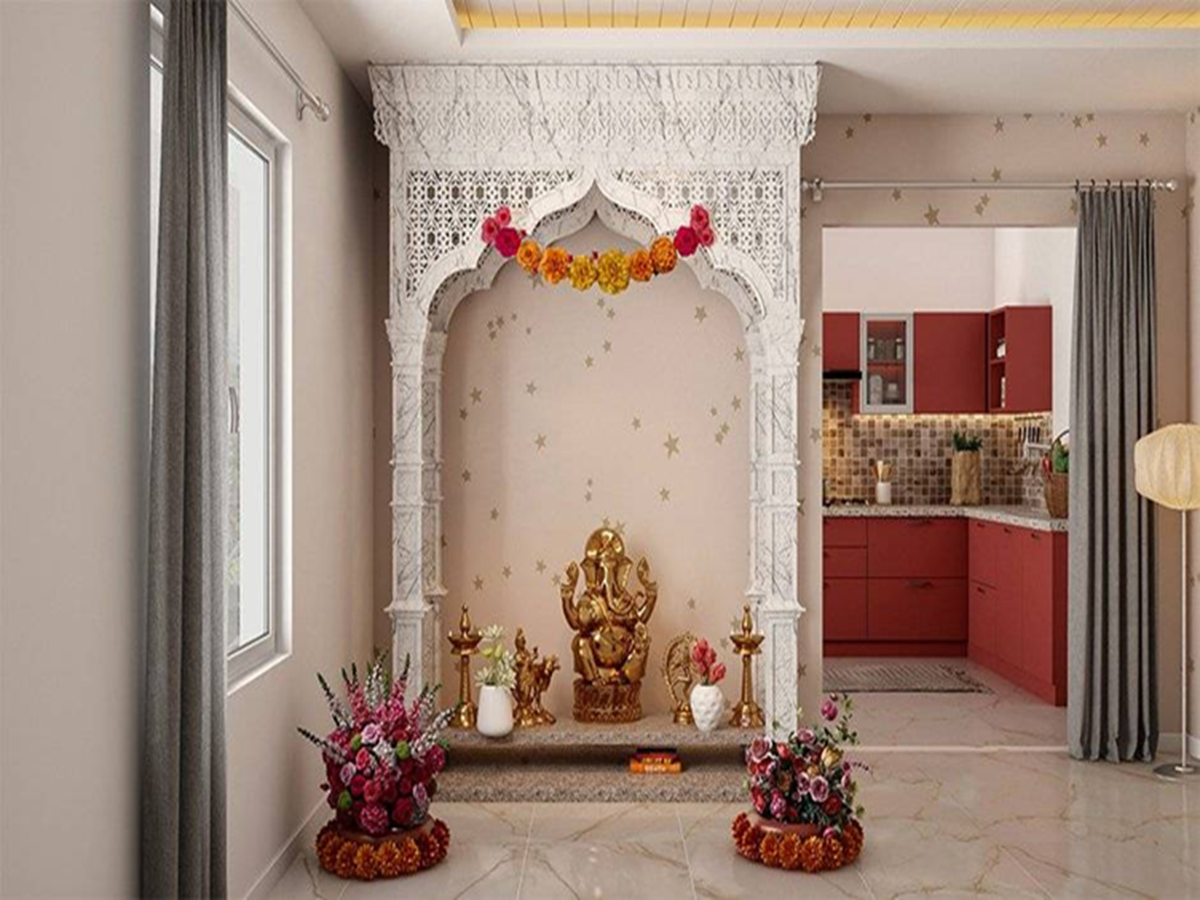
Mahant Kameshwaranand Vedantacharya of Faridabad explains that, first and foremost, one must understand that multiple idols of the same deity should not be kept in the home. People often bring back Shivalingas or other idols as souvenirs whenever they visit various places or pilgrimage sites. For instance, they might bring back a Shivalinga from Rameswaram, another from Kashi Vishwanath, and yet another from Kedarnath. This practice should be avoided. One should keep only a single Shivalinga and offer worship to that alone.
**These Idols Can Be Detrimental**
According to Kameshwaranand Vedantacharya, an idol of Lord Ganesha depicted in a serene or peaceful posture is considered auspicious. While an idol showing Lord Ganesha eating a *modak* (sweet dumpling) is considered favorable, idols depicting him dancing on one leg or standing on a single foot should not be kept in the home. Similarly, idols representing the fierce or aggressive forms of Lord Shiva—such as Mahakal—are not considered suitable for a domestic setting. One should also refrain from keeping fierce idols of Lord Bhairav, wrathful depictions of Goddess Kali, or aggressive representations of Lord Shani (Saturn) and the celestial nodes, Rahu and Ketu, in the home temple.
**The Lion's Closed Mouth**
According to Mahant Kameshwaranand Vedantacharya, if you choose to keep an idol of Goddess Durga, ensure that the lion accompanying her is depicted with its mouth closed. In public temples, the lion is often depicted with its mouth open because people from all walks of life visit them, and it is believed that any negativity they carry is neutralized and absorbed right there. However, in a home temple, only family members offer worship; therefore, a closed-mouthed lion is considered auspicious. Furthermore, one should not keep very large idols in a home temple. According to the scriptures, an idol should ideally be no larger than approximately six inches in height. If a Shivalinga is kept in the home, it should be roughly the size of one's thumb. Large idols are not considered suitable for a home temple.
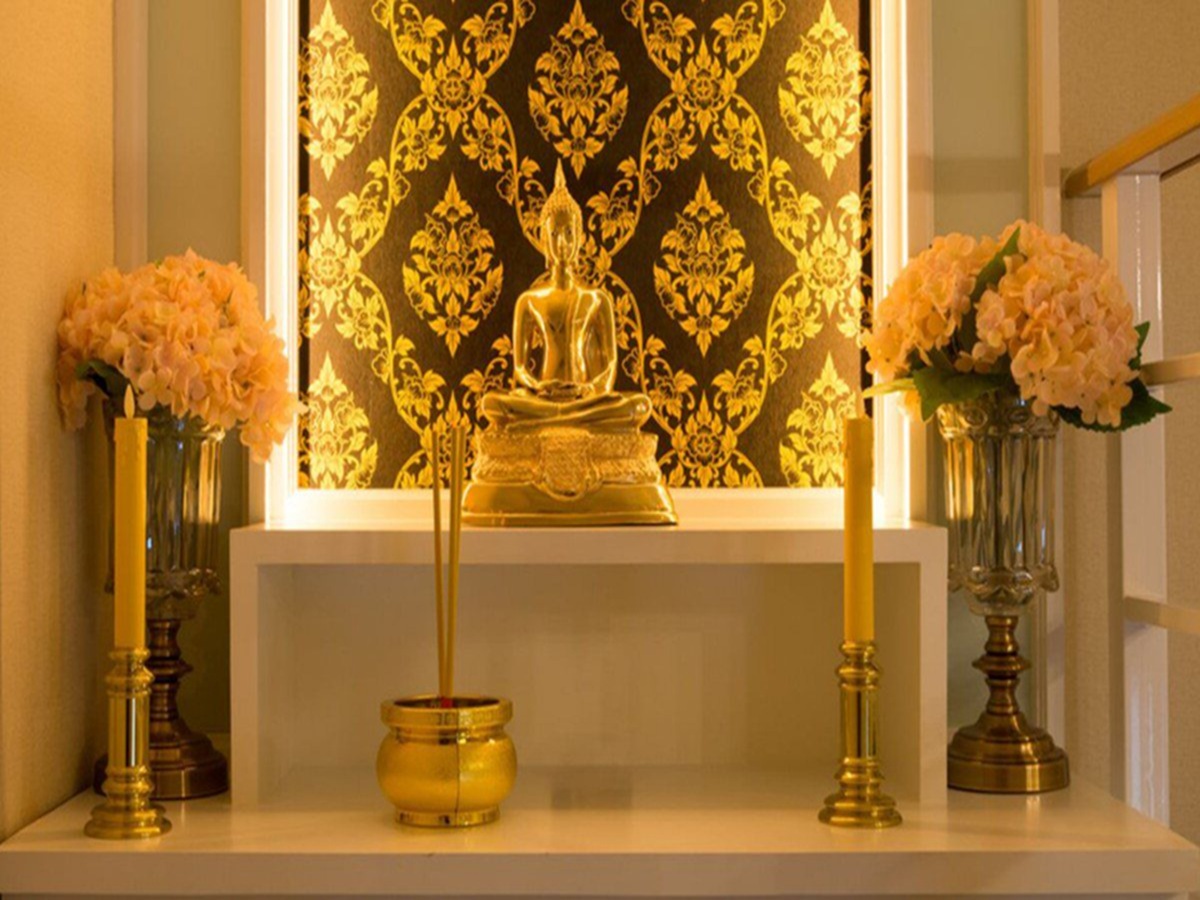
Can one keep plastic idols?
If you keep a Shaligram deity, you should keep only one. While many people keep two Shaligrams, keeping just one is considered preferable. Plastic or artificial idols should not be placed in the temple. Idols made of clay, brass, silver, or gold are considered auspicious. It is believed that keeping the appropriate idols helps maintain peace in the home and promotes the flow of positive energy.
PC Social Media