LIFESTYLE
The 7 Plants That Are Worshipped—Strictly Forbidden to Plant at Home—They Will Wreak Havoc on Your Life...
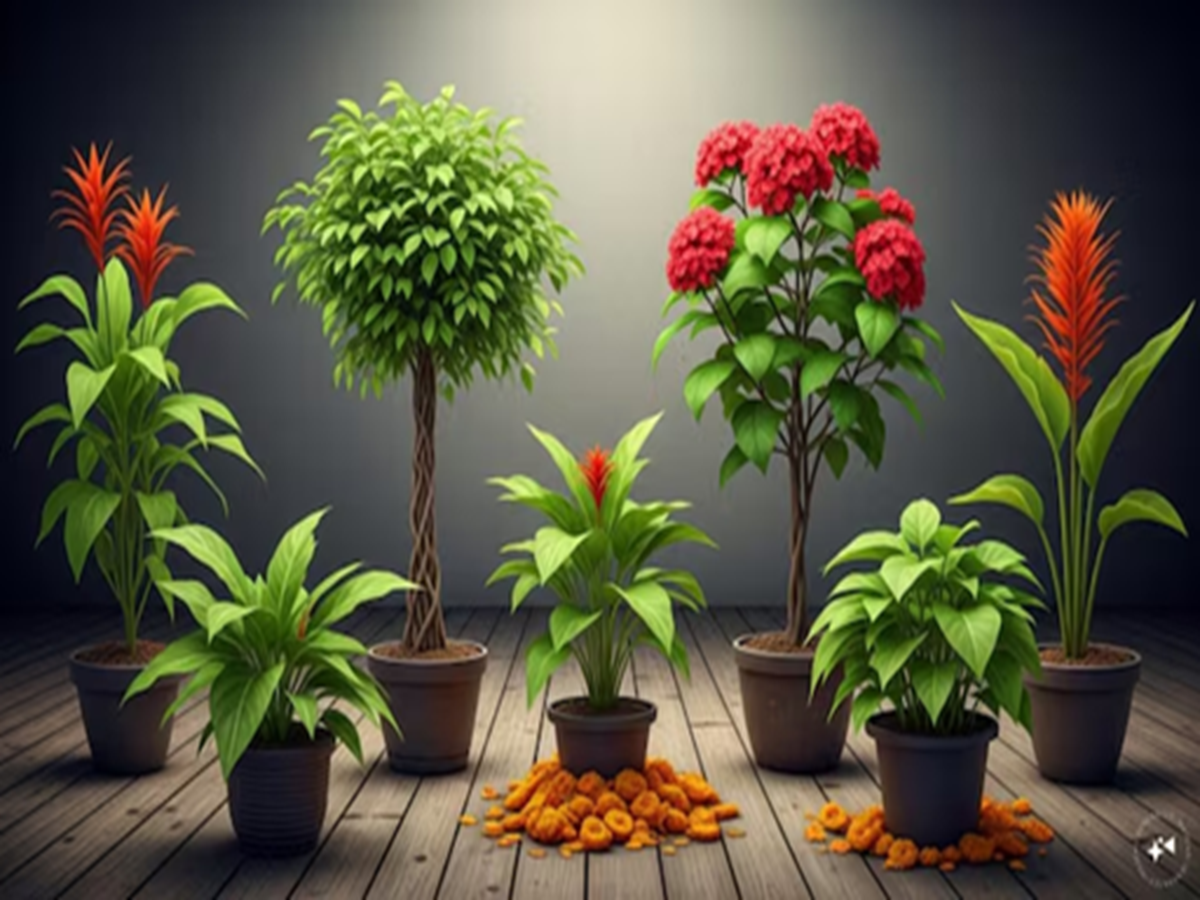
Which Plants Should Not Be Planted at Home? In Hinduism, certain trees and plants fall under the category of "Divine Trees" (*Dev Vriksha*). During fasts and festivals, these trees and plants are worshipped with specific rituals and rites. Without them, those fasts, festivals, or celebrations are considered incomplete. However, you might be surprised to learn that there are seven such trees and plants—which are indeed worshipped—that should *not* be planted inside one's home or on a balcony. Planting them in the home's courtyard or balcony is strictly prohibited.

**Which Plants Should You Avoid Planting in Your Home or Balcony?**
**Banyan Tree (*Bargad*):** The Banyan is a divine tree, believed to be the abode of various deities. During the *Vat Savitri Vrat* (fast), the Banyan tree is worshipped with special rituals, and devotees perform *parikrama* (circumambulation) around it. This fast—observed to seek eternal marital bliss, remains incomplete without the worship of the Banyan tree. While the Banyan tree is revered, planting it in a home's courtyard or balcony is forbidden. Its roots spread extensively and deeply, which can potentially cause structural damage to the house. Furthermore, it is considered inauspicious for the shadow of a Banyan tree to fall upon a house, as this is believed to increase stress and negativity within the home environment.
**Shami Tree:** The Shami tree is worshipped to seek the blessings of Lord Shani (Saturn) and to mitigate the adverse effects of astrological periods such as *Sade Sati* and *Dhaiya*. Shami leaves are offered to Lord Shani and Lord Shiva. However, this tree should not be planted inside the house, as it is believed to create *Vastu Dosha* (architectural/energetic defects) and because it is a thorny plant. It is permissible to plant it outside the house premises.
**Peepal Tree:** The Peepal tree is believed to be the abode of the Holy Trinity: Lord Brahma, Lord Vishnu, and Lord Mahesh (Shiva). To alleviate the negative effects of Lord Shani's influence (*Shani Dosha*) and to seek peace for one's ancestors (*Pitrs*), devotees offer water at its roots and light an oil lamp. Although the tree is worshipped, planting it inside the home is strictly prohibited because its roots can grow deep and strong enough to destabilize the foundation of the house. Those who have a Peepal tree growing within their home premises may face financial losses and encounter various obstacles in their lives.
**Amla Tree (Indian Gooseberry):** The Amla tree is worshipped to seek the blessings of Lord Vishnu and Goddess Lakshmi. Special prayers and rituals are performed specifically on the day of *Amla Navami*. However, this plant should not be planted inside the house, nor should it be placed directly in front of the main entrance. Doing so may lead to financial crises.
**Aak or Madar:** The flowers of the Aak (or Madar) plant are used in the worship of Lord Shiva. The deity Shvetark Ganesha is believed to reside within its roots. However, this plant is not planted inside the home, as it can become a source of domestic discord and illness within the family. The white milky sap that exudes from this plant is considered harmful to both the eyes and the skin.
**Tamarind:** The Tamarind tree is revered, and it is believed that a Goddess resides within it. Nevertheless, a Tamarind plant should not be planted inside or in the immediate vicinity of one's home. According to Vastu Shastra, planting this tree can lead to family disputes and a decline in mutual love and trust among family members. It fosters an increase in negativity within the household.
**Banana:** The Banana plant is worshipped during the Thursday fasts (*Guruvar Vrat*), while its leaves and stems are utilized in various auspicious ceremonies. It is believed to be the abode of Lord Vishnu and the divine preceptor, Jupiter (*Dev Guru Brihaspati*). The Banana plant is also worshipped as a remedy to alleviate the adverse effects of *Guru Dosha* (afflictions related to Jupiter). However, it should not be planted behind the house or directly in front of the main entrance. Instead, it may be planted outside the house, specifically in the Northeast (*Ishan*) corner. Planting a Banana tree in an inappropriate location can give rise to problems in one's marital life, education, and other aspects of life.
PC Social Media