LIFESTYLE
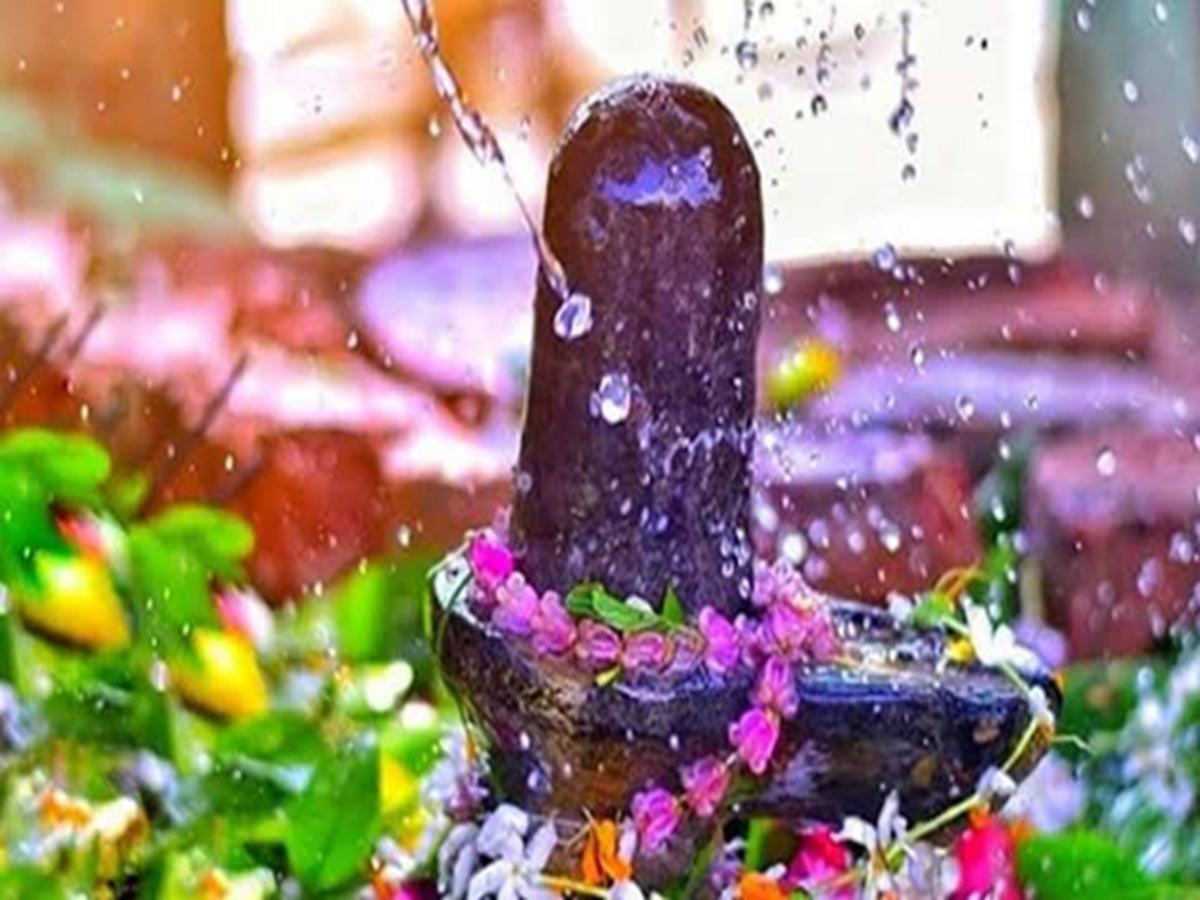
Why is *Jalabhishek* of the Shivling performed not just once, but multiple times? Find out the reason..
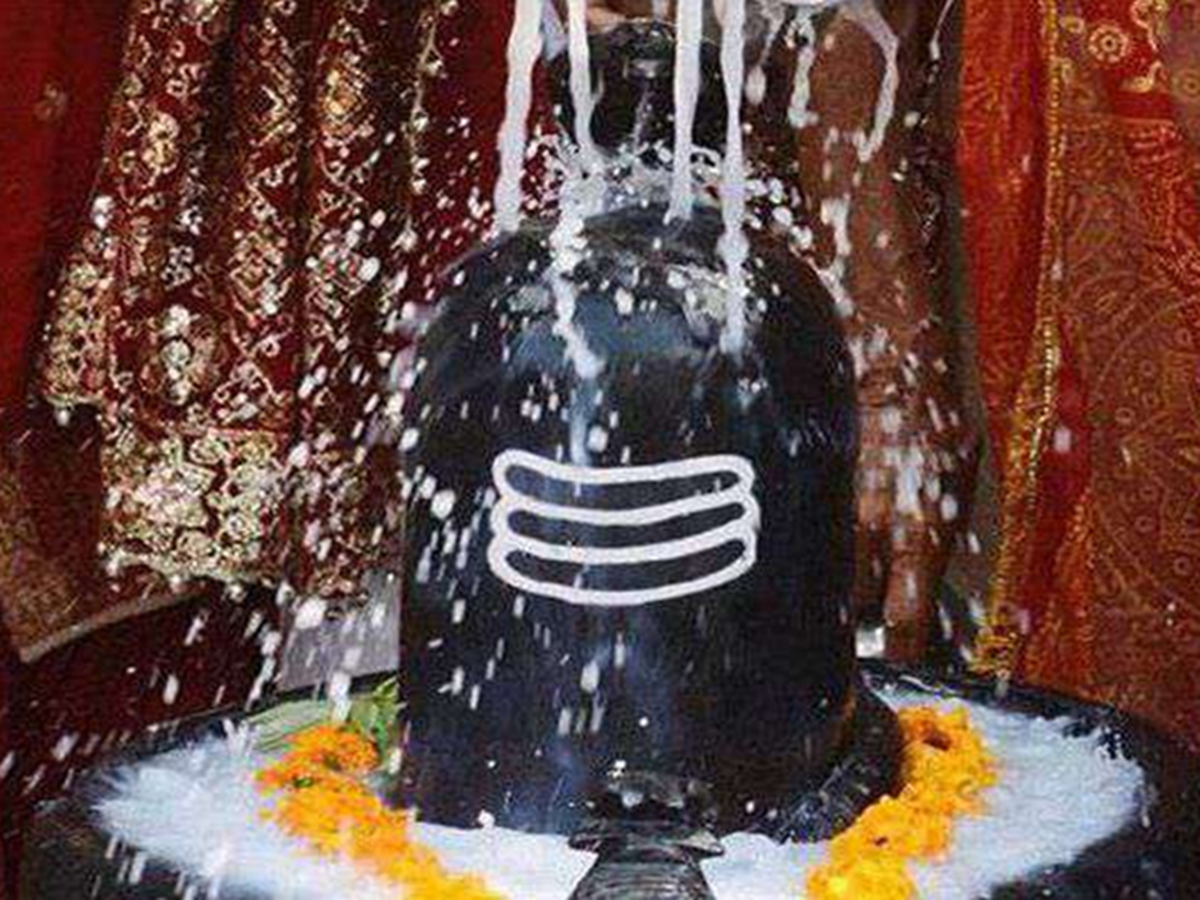
Sawan Shivratri Jalabhishek: As the festival of Sawan Shivratri arrives, chants of "Har-Har Mahadev" echo through Shiva temples across the country. On this day, lakhs of devotees perform *Jalabhishek* (ritual offering of water) to Lord Shiva, praying for happiness, prosperity, good health, and the fulfillment of their wishes. If you have ever visited a Shiva temple on Sawan Shivratri, you might have noticed that many devotees do not return after offering water just once; instead, they perform the ritual two, three, or even multiple times.
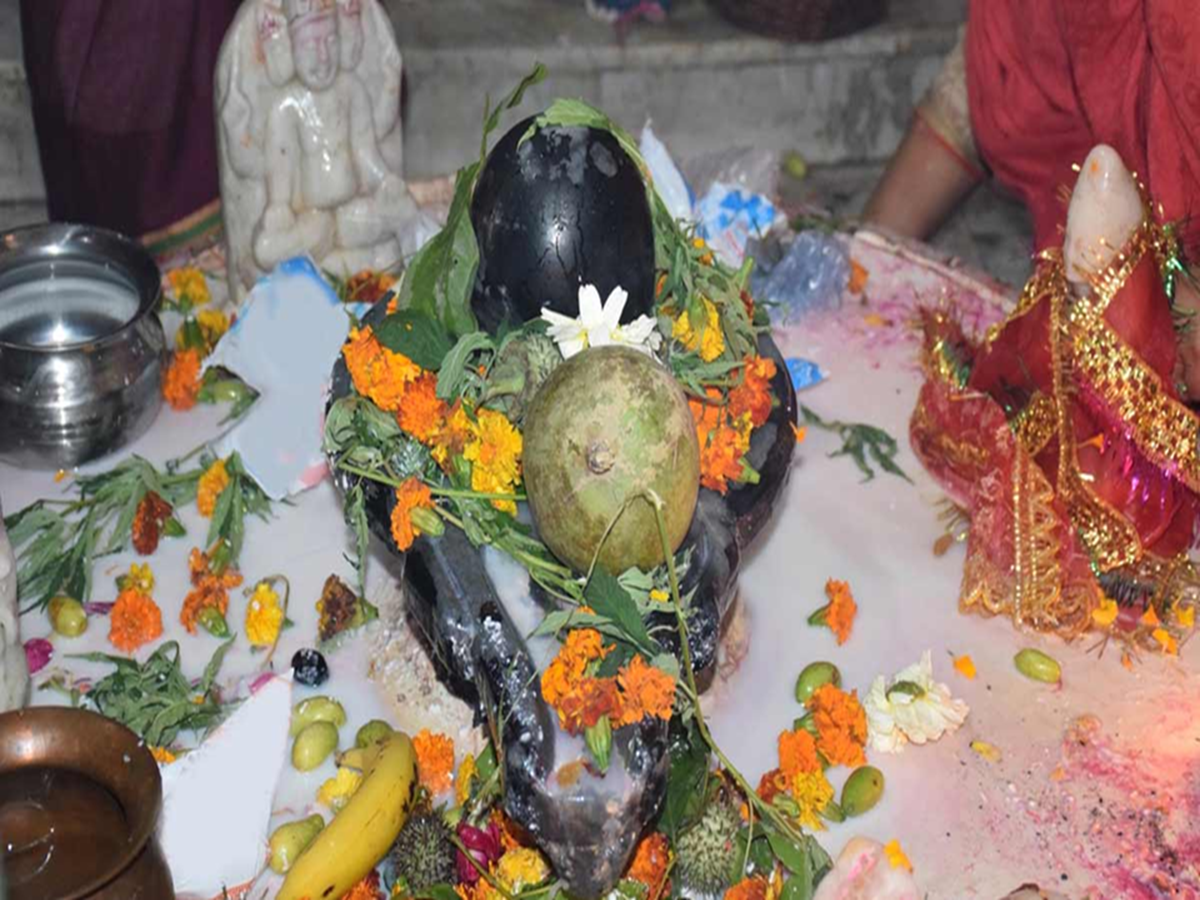
This raises a question in the minds of many: is this practice part of a specific religious rule, or is it merely a symbol of devotion? In reality, both religious beliefs and personal faith lie behind this custom. Let us explore why the tradition of performing *Jalabhishek* multiple times on Sawan Shivratri is prevalent and what spiritual significance is attributed to it.
**Special Significance of Jalabhishek on Sawan Shivratri**
The month of Sawan is considered dedicated to Lord Shiva. Religious belief holds that offering water, milk, *Belpatra* (wood apple leaves), *Dhatura*, and other ritual items to the *Shivling* throughout this month pleases Lord Shiva quickly. *Jalabhishek* performed specifically on the day of Sawan Shivratri is considered extremely auspicious. It is believed that worship performed with a sincere heart on this day helps alleviate many of life's troubles. Therefore, devotees perform the *Abhishek* of Lord Shiva with full adherence to rituals.
**Understanding the Religious Belief**
**What is the significance of performing *Jalabhishek* multiple times?**
According to religious beliefs, the sentiment and devotion behind the worship of Lord Shiva are more important than the numerical count of offerings. Many devotees perform *Jalabhishek* more than once for various wishes. Some offer water for the happiness and peace of their family, then perform the ritual again to pray for their career, health, or progeny. Some devotees offer water to the *Shivling* during every round while circumambulating the temple. This is why they are often seen performing *Jalabhishek* multiple times in a single day.
**Do the scriptures prescribe a rule for offering water multiple times?**
Religious texts do not prescribe any mandatory rule requiring *Jalabhishek* (ritual offering of water) to be performed a specific number of times on Shivratri. The scriptures primarily emphasize worship performed with reverence, devotion, and a pure heart. This is why some people offer water once, while others perform the ritual multiple times based on their devotion and personal resolve; both practices are considered religiously acceptable.
**A Tradition Linked to the Kanwar Yatra**
During the month of *Sawan*, devotees carrying *Kanwars* perform *Jalabhishek* of Lord Shiva after completing a long pilgrimage. Many *Kanwariyas* arrive in groups, with each member offering water individually. Often, devotees return to the temple at different times to perform the ritual again, ensuring a continuous cycle of offerings at the temples.
**Devotion is About Surrender, Not Repetition**
Religious scholars state that the purpose of offering water repeatedly to Lord Shiva is not to adhere to a specific rule, but to express one's faith. Just as a person might chant the Lord's name repeatedly, many devotees express their devotion by performing *Jalabhishek* multiple times. For instance, in many families, parents, children, and other members offer water to the *Shivling* at different times. While this may appear to be a series of repeated rounds, in reality, each individual is worshipping with their own sincere devotion.
**Is a Single *Jalabhishek* Sufficient?**
According to religious beliefs, if a devotee performs *Jalabhishek* of Lord Shiva even once with complete reverence, faith, and adherence to the proper rituals, they are considered to have earned equal spiritual merit. Offering water multiple times is not mandatory; the most important factors are sincere devotion and maintaining a positive state of mind during worship. The tradition of performing *Jalabhishek* multiple times on *Sawan* Shivratri stems from reverence, resolve, and personal faith rather than any obligatory religious rule. Lord Shiva is said to cherish the sentiment of the heart; therefore, whether water is offered once or multiple times, the spiritual significance remains the same provided the worship is performed with a sincere heart.
PC Social Media