LIFESTYLE
The Hindu New Year doesn't begin on January 1st; it starts on this day, and the belief is connected to these two stories..
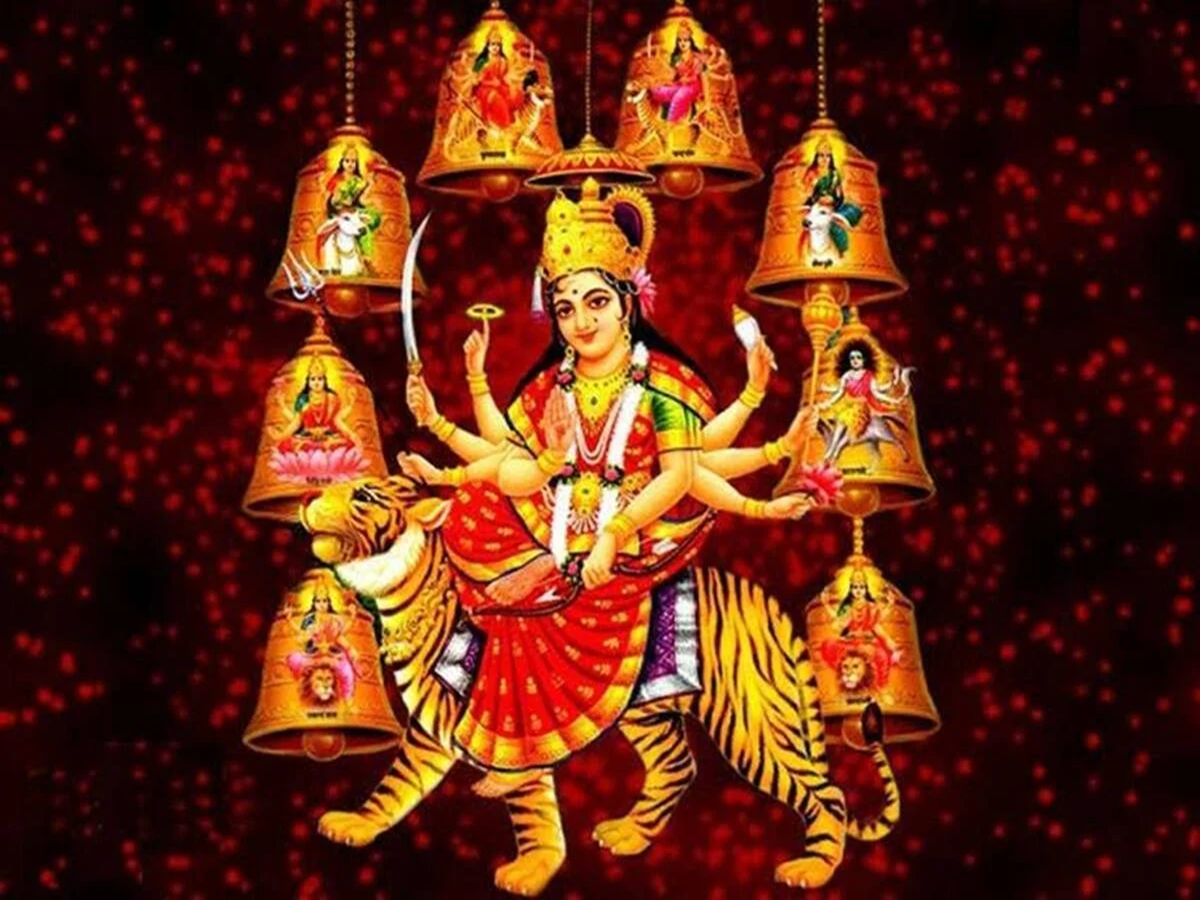
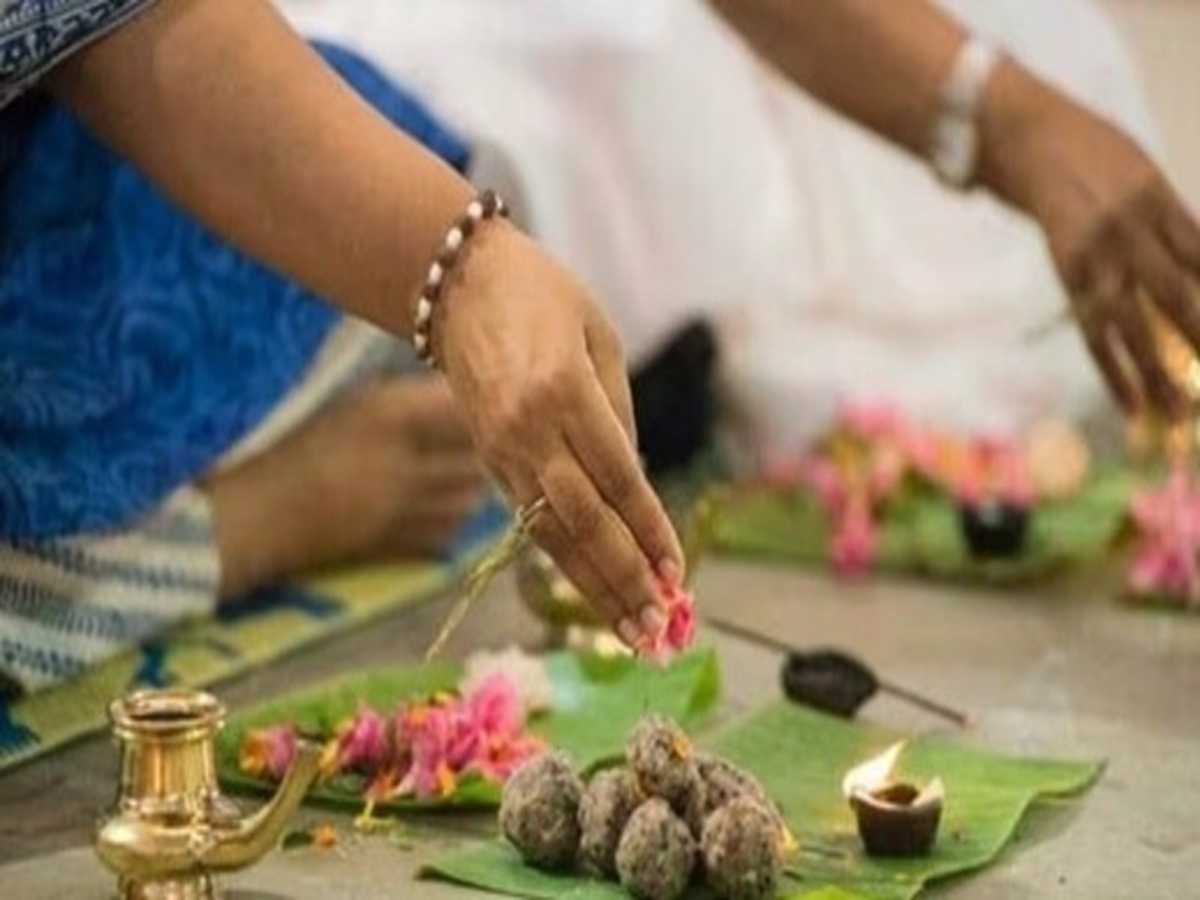
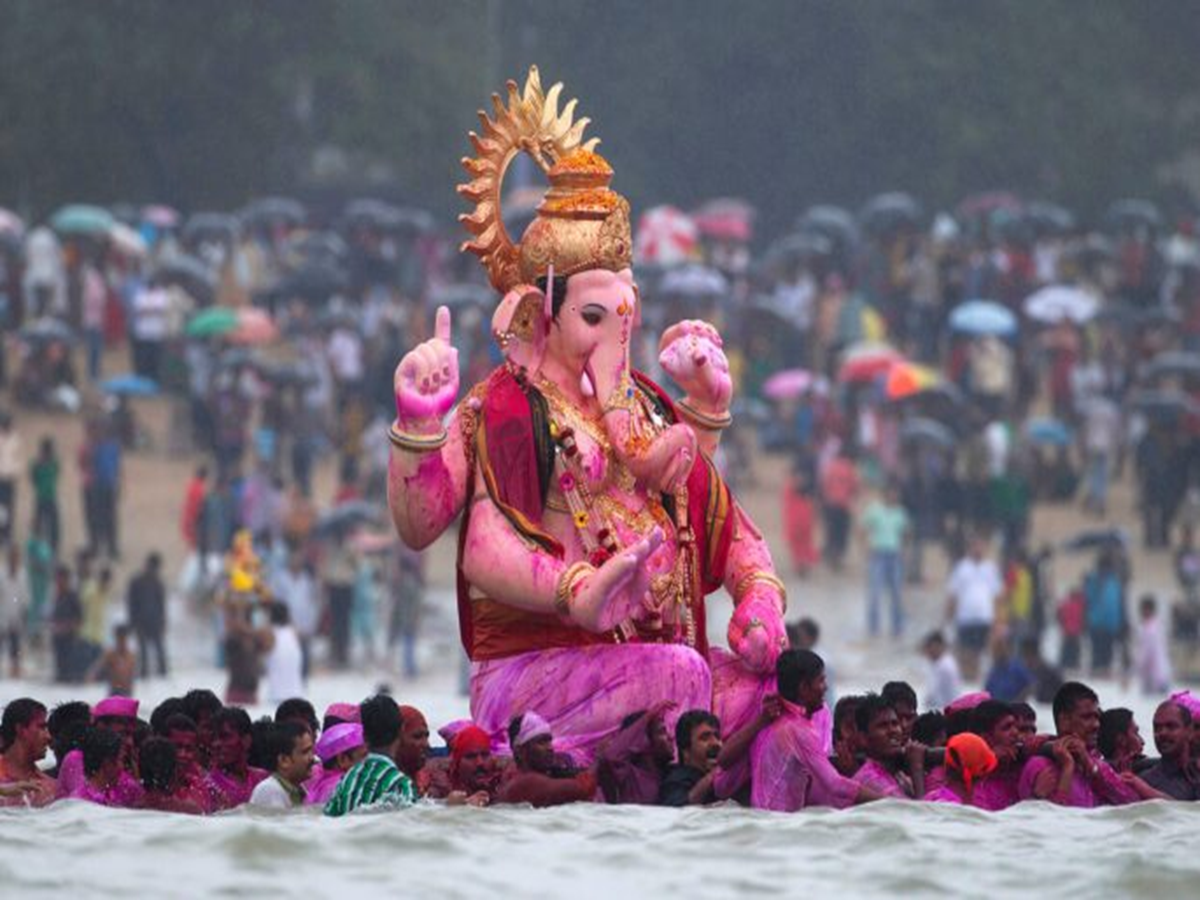
While the world celebrates the New Year on January 1st, the Hindu New Year does not begin on this date. According to the Hindu calendar, the Hindu New Year begins on Chaitra Shukla Pratipada. In 2026, the Hindu New Year will begin on Thursday, March 19th. This day will also mark the beginning of Vikram Samvat 2083. The Hindu New Year is not merely a day for changing the calendar; it is considered a symbol of the beginning of a new cycle of creation, dharma (righteousness), and nature. Several religious beliefs are associated with this day, with special significance given to both Lord Brahma and Lord Rama.
Mahant Rameshwar Giri explained that according to the Hindu calendar, the New Year begins on the Pratipada tithi (first day) of the bright half of the month of Chaitra. In 2026, this date falls on March 19th. According to religious beliefs, Lord Brahma created the universe on this day. Therefore, this day is also called the first day of creation. This is why the Hindu New Year is considered extremely auspicious and holy, and starting new ventures on this day is considered beneficial.
What is the religious significance?
The belief associated with Lord Rama is also very important in the celebration of the Hindu New Year. It is believed that Lord Rama's coronation took place on Chaitra Shukla Pratipada. After conquering Lanka and completing his 14 years of exile, when Lord Rama returned to Ayodhya, he was crowned king of Ayodhya on this very date. Ram Rajya (the reign of Rama) is considered a symbol of dharma, justice, and ideal governance. This is why the Hindu New Year is associated with the establishment of righteousness and the beginning of an ideal life.
The beginning of a new agricultural cycle
The Hindu New Year is calculated based on the movements of the moon and the sun. The arrival of spring coincides with Chaitra Shukla Pratipada. At this time, new life is visible in nature. New buds appear on trees, flowers bloom, and the weather feels refreshing. For farmers, this time also signifies the beginning of a new crop and a new agricultural cycle. In this way, the Hindu New Year reflects the deep connection between nature and human life.
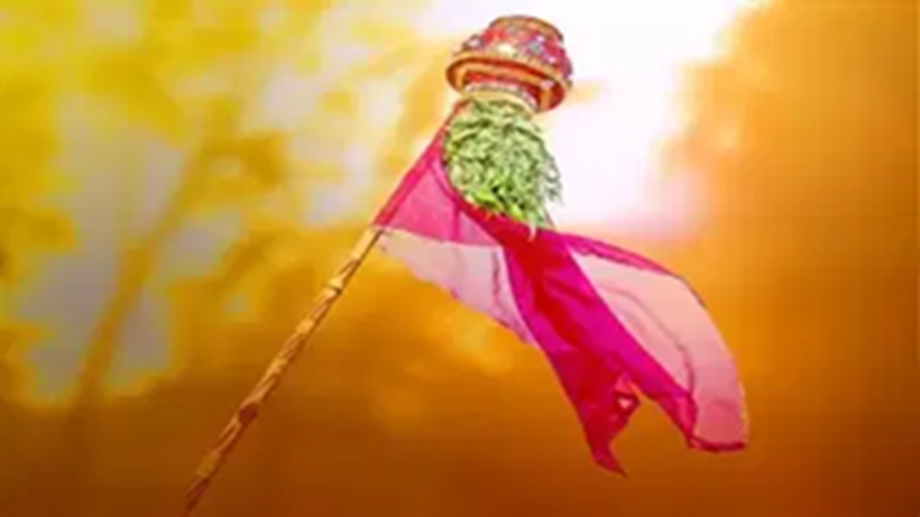
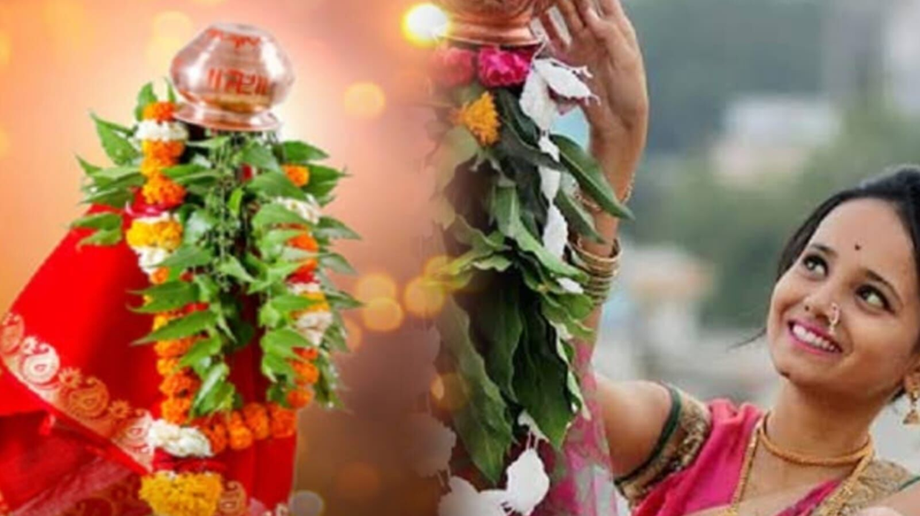
The Hindu New Year is celebrated under different names in various states of India. In Maharashtra, it is called Gudi Padwa, where a Gudi (a decorated pole) is hoisted as a symbol of victory and prosperity. In Karnataka, Andhra Pradesh, and Telangana, it is celebrated as Ugadi. In North India, it is known as Nav Samvatsar, and it also marks the beginning of Chaitra Navratri. While the traditions may vary from region to region, the spirit and purpose remain the same.
PC Social Media