
LIFESTYLE
The Mystery of the Nine Days of Navaratri: Learn the Spiritual Basis of Durga, Lakshmi, and Saraswati Worship from Sadhguru..

The nine days of Navaratri are fundamentally divided into three *gunas*—Rajas, Tamas, and Sattva—which are also collectively known as the *Trigunas*. These three qualities constitute the primary foundation for the existence of any living being.
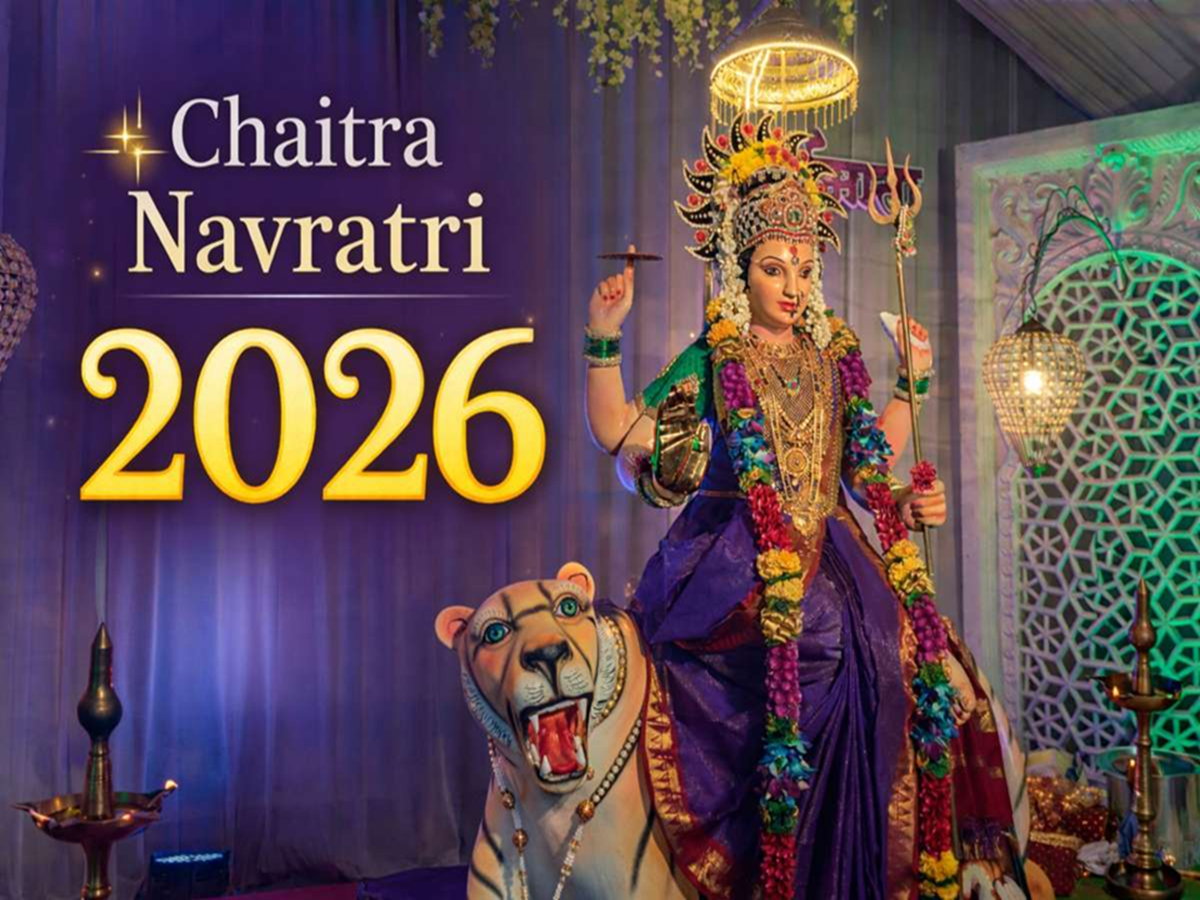
Rajas, Tamas, and Sattva. Without these three qualities, no existence is possible. Not even a single atom is exempt from these attributes; within every atom, some measure of the energy, vibration, and nature of these three qualities or elements can be found. If these three elements were not present, no object could endure; it would simply disintegrate.
If you possessed only Sattva, you would be unable to remain here for even a moment; you would instantly vanish. Similarly, if you possessed only Rajas, that too would be unsustainable; and if you possessed only Tamas, you would remain perpetually inert. Therefore, all three of these qualities are present in every object.
The question, then, is in what proportion you combine these three. The literal meaning of Tamas is inertia and stagnation. Rajas signifies activity and dynamism. Sattva, on the other hand—in a certain sense—implies transcending one's limitations, dissolution, merging, and attaining a state of oneness. The fundamental structure of our physical body shares a profound connection with three major celestial bodies: the Sun, the Earth, and the Moon.
Rajas, Tamas, and Sattva: The Fundamental Basis of Existence
The Earth is regarded as the symbol of Tamas, the Sun as the symbol of Rajas, and the Moon as the symbol of Sattva. Those who aspire to authority, power, immortality, and strength will worship the Tamasic aspect of the Goddess—embodied by figures such as Kali and Mother Earth. Those who desire wealth, material abundance, vitality, and things associated with worldly life will naturally gravitate toward worshipping the Rajasic aspect of the Goddess—represented by deities such as Lakshmi and the Sun.
However, those who seek knowledge, heightened consciousness, spiritual elevation, and the transcendence of the limitations of the mortal body will worship the Sattvic aspect of the Goddess—symbolized by Saraswati and the Moon.
Kali, Lakshmi, or Saraswati? Navaratri is dedicated to three goddesses—Durga, Lakshmi, and Saraswati—with the nine days divided into three-day segments. The first three days are considered to be of *Tamas*, presided over by a fierce and formidable goddess, such as Durga or Kali. The subsequent three days are associated with *Rajas*—or Lakshmi, who is gentle and benevolent, yet intrinsically linked to the material world. Conversely, the final three days are associated with *Sattva*, presided over by the goddess Saraswati, who embodies learning and wisdom.
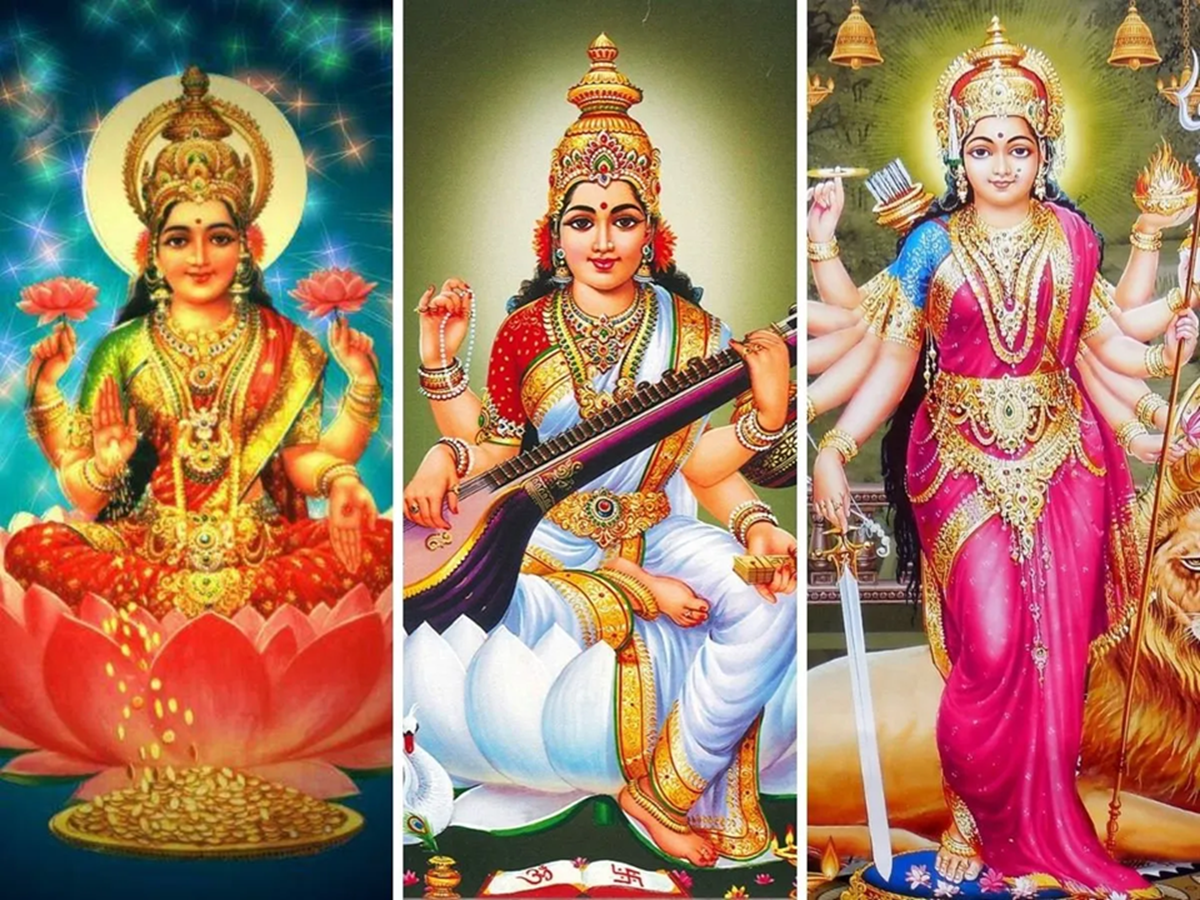
The Significance of Life's Three Elements
The manner in which you invest your life force into these three *Gunas* (qualities) determines both the state and the trajectory of your life. If you focus predominantly on *Tamas*, you acquire a specific kind of power in life; similarly, if you emphasize *Rajas*, you become powerful in a distinct way; however, if you invest in *Sattva*, you become capable and empowered in a manner entirely different from the others. Yet, if you transcend all three of these elements, the pursuit ceases to be about power; instead, it becomes a matter of liberation.
PC Social Media