Food & recipe
These 5 cooking tricks will cut your daily cooking oil consumption in half—without compromising on taste..
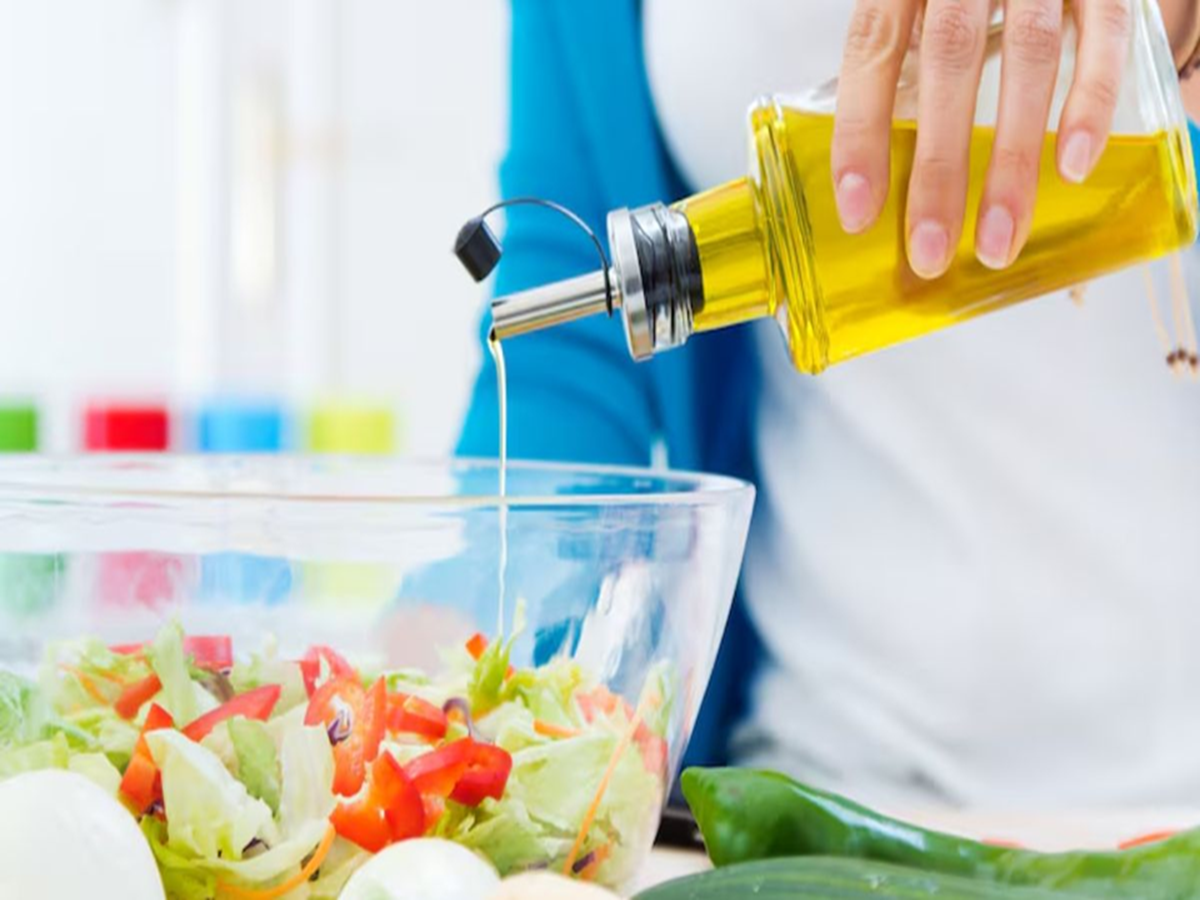
Amidst the global crisis and rising oil prices, reducing the use of cooking oil has become the need of the hour. Prime Minister Narendra Modi's recent appeal to the nation to conserve oil is of immense significance—not only from an economic standpoint but also from a health perspective.
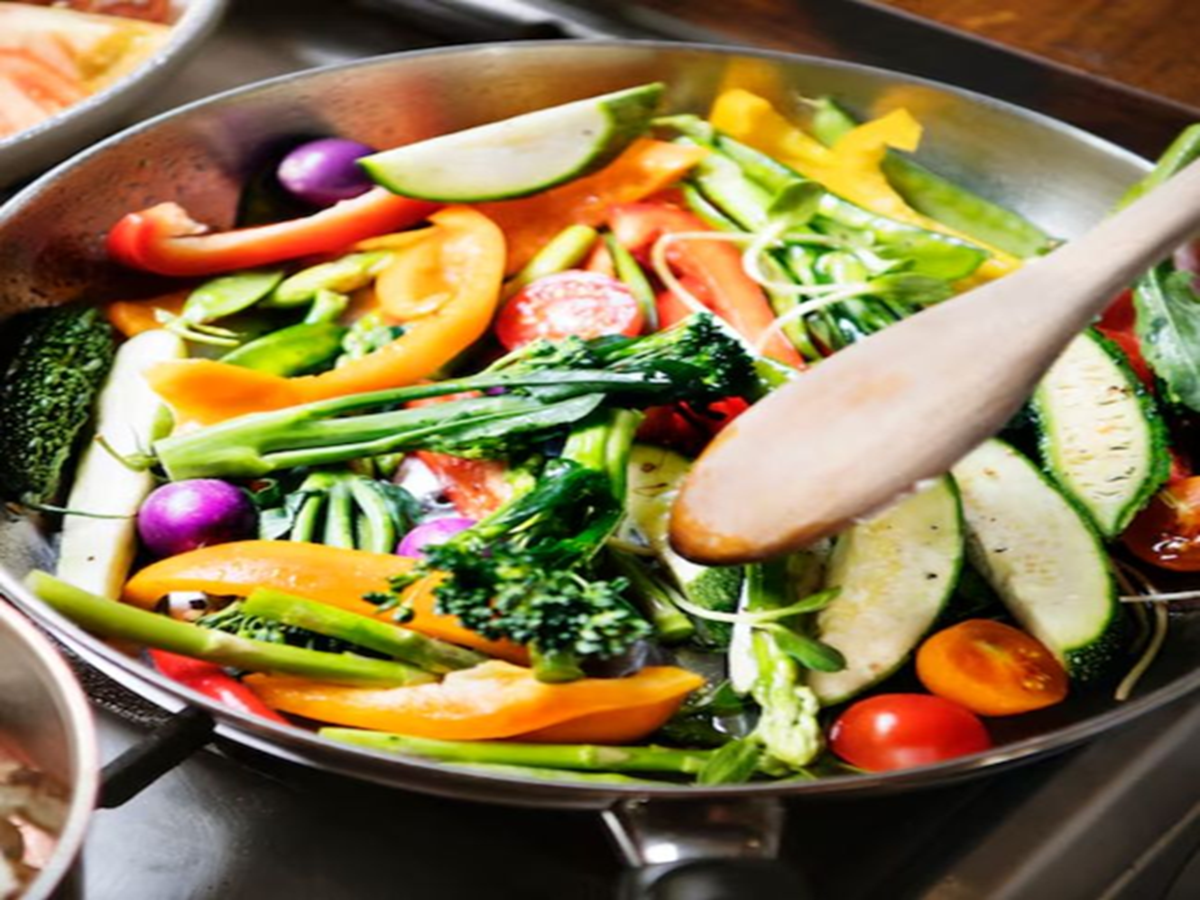
Minimizing the use of cooking oil yields remarkable results in keeping your heart healthy, lowering cholesterol levels, and aiding in weight loss. People often assume that using less oil equates to bland food; however, this is far from the truth. If you are unwilling to compromise on flavor, you can make your daily diet both healthy and incredibly delicious—even with minimal oil—by adopting a few smart cooking tips.
**Use High-Quality Non-Stick Cookware**
The first and simplest step toward reducing oil consumption is to use the right kind of cookware in your kitchen. With ordinary woks or griddles, there is a risk of food sticking to the surface—a problem people typically address by adding excessive oil. High-quality non-stick pans, woks, or griddles feature a specialized Teflon or ceramic coating.
Thanks to this coating, food does not adhere to the surface of the cookware. Whether you are preparing *chilas*, *dosas*, omelets, or vegetables, the food cooks easily—using just a few drops of oil or even no oil at all—without burning.
**Use Water to Sauté Vegetables**
When cooking, oil is typically added to the pan first to sauté ingredients such as onions, ginger, garlic, and spices; however, these ingredients can be sautéed just as effectively without any oil.
Heat the pan, add just a few drops of oil, and then sprinkle a little water to sauté the onions and spices. The steam generated by the water will ensure that the onions and spices soften and cook thoroughly. Using this method, the flavor of the gravy remains the same as it would if the ingredients were sautéed in oil. Use a Spoon; Do Not Pour Oil Directly from the Bottle
Often, while cooking, we pour oil directly from the bottle or jar into the pan. As a result, our estimation goes awry, and we end up pouring more oil than necessary.
Always use a small spoon to measure your oil. When you measure the oil before adding it, you gain a clear idea of exactly how much oil you are consuming. Additionally, consider using commercially available oil sprayers or cooking sprays.
Embrace Steaming and Boiling
Deep-frying destroys the nutrients in food and significantly increases its calorie content. Instead, adopt healthier cooking methods. Rather than frying vegetables, *koftas*, or snacks directly in oil, steam or boil them first.
Marinate Your Food
When you cook ingredients like *paneer* (Indian cottage cheese), chicken, or dry vegetable dishes, they tend to absorb excessive oil in the pan. To avoid this, employ the technique of marination. Before cooking, marinate the vegetables or *paneer* for 15–20 minutes in a thick mixture of yogurt, lemon juice, salt, and spices.

The moisture from the yogurt prevents the food from drying out internally. Furthermore, when cooking non-vegetarian dishes, the meat naturally contains its own fats. Cooking the meat covered over a low flame allows it to cook in its own fats and juices, thereby eliminating the need to add any additional oil.
PC Social Media