Business
Thinking of buying an air purifier? Know these 6 things first, or you might end up regretting it..
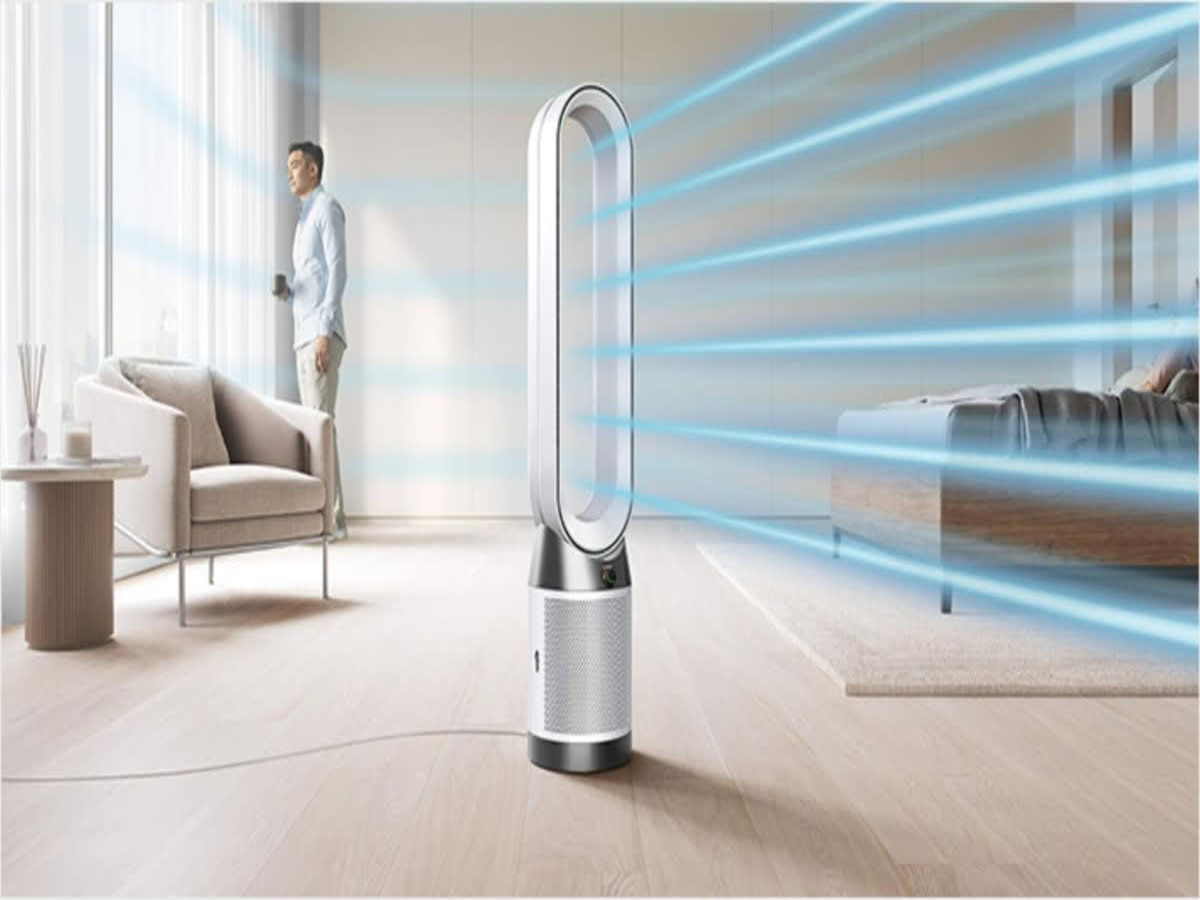
Delhi experienced light haze on Tuesday morning. According to the Central Pollution Control Board (CPCB), air quality remained in the 'moderate' category. The capital recorded an Air Quality Index (AQI) of 168, with a minimum temperature of 15.3°C—the lowest for the month of October in three years. The AQI is a numerical value that indicates the level of air cleanliness or pollution; a higher number signifies poorer air quality. As winter approaches, wind speeds typically decrease, preventing smoke and dust from dispersing; consequently, many people begin considering air purifiers during this time of year. Let’s look at the key factors to keep in mind before purchasing an air purifier.
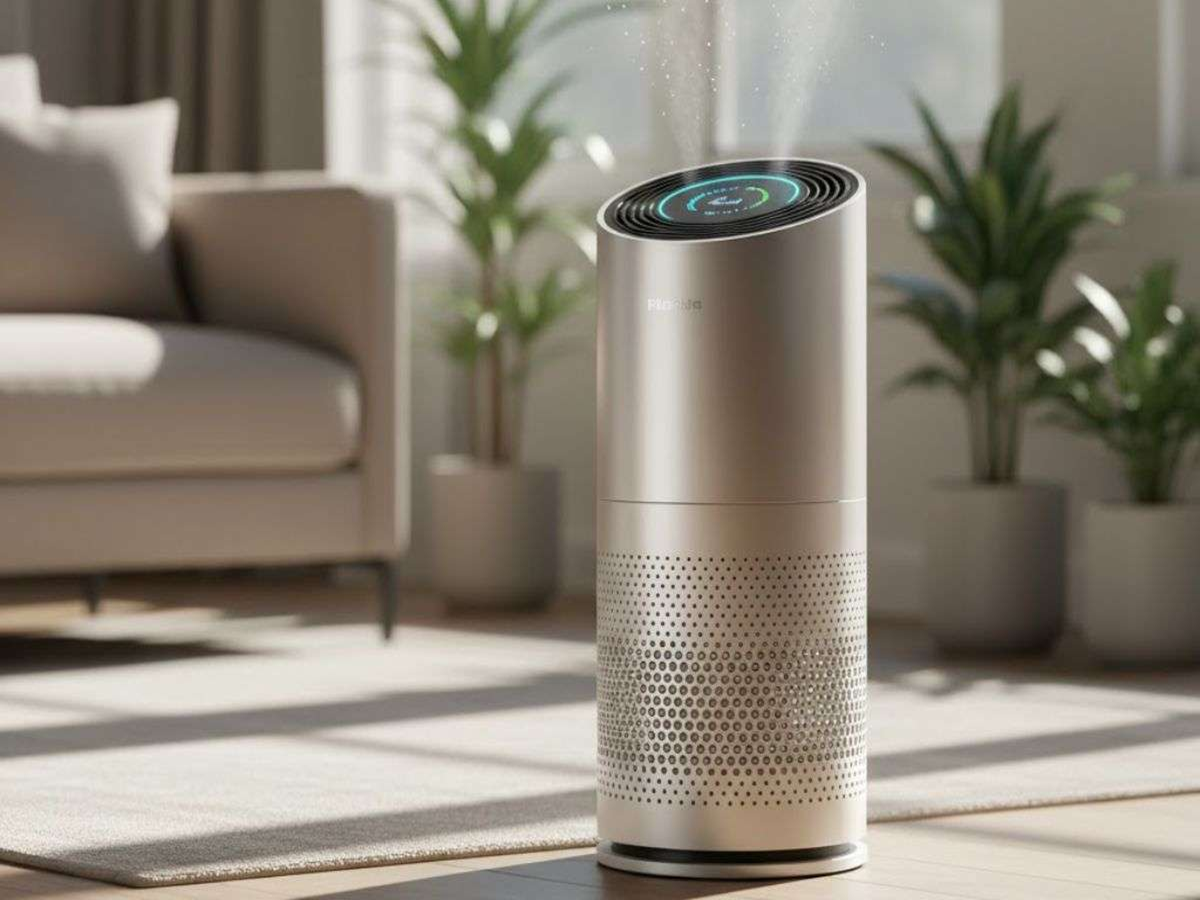
Choose a machine based on room size.
Every air purifier specifies a CADR (Clean Air Delivery Rate) value, which indicates the volume of clean air the machine can deliver in one hour. A simple rule of thumb is that the CADR should be approximately two-thirds of the room's area—for instance, a CADR of around 100 is suitable for a 150-square-foot room. If the machine is too small for the room, it will fail to clean the air effectively.
Selecting the right filter is essential.
The air contains microscopic particles that can be inhaled and reach the lungs. A HEPA filter is necessary to capture these particles. Look for labels such as "True HEPA" or "H13" on the packaging. Be cautious of terms like "HEPA-type," as these are not as effective as genuine HEPA filters. Additionally, carbon filters are useful for addressing odors and gases.
Factor in the cost of filter replacements
While purchasing the machine is a one-time expense, filters require periodic replacement. Be sure to check the expected lifespan of the filter and its replacement cost. Failing to replace an old filter significantly reduces the machine's efficiency.
Avoid machines that emit ozone.
Some air purifiers include an ionizer, which can generate ozone gas—a substance considered harmful when inhaled. Machines equipped with filters are safer.
Consider noise levels and power consumption.
The machine often runs for several hours. Be sure to check how much noise it makes when operating at a low speed—especially at night while you are sleeping. Also, consider how much electricity the machine consumes, so it doesn't disrupt your household budget.
Use it correctly.
Keep the doors and windows of the room closed while the machine is running; otherwise, polluted air from outside will continue to enter. Place the unit in a location where air can circulate freely—do not position it flush against a wall. Many machines display a pollution reading, but keep in mind that this is only a rough estimate, not a precise measurement.
PC Social Media