LIFESTYLE
Tilak on Forehead: Why do we apply a 'U' shaped tilak on our forehead? Learn its religious secret...
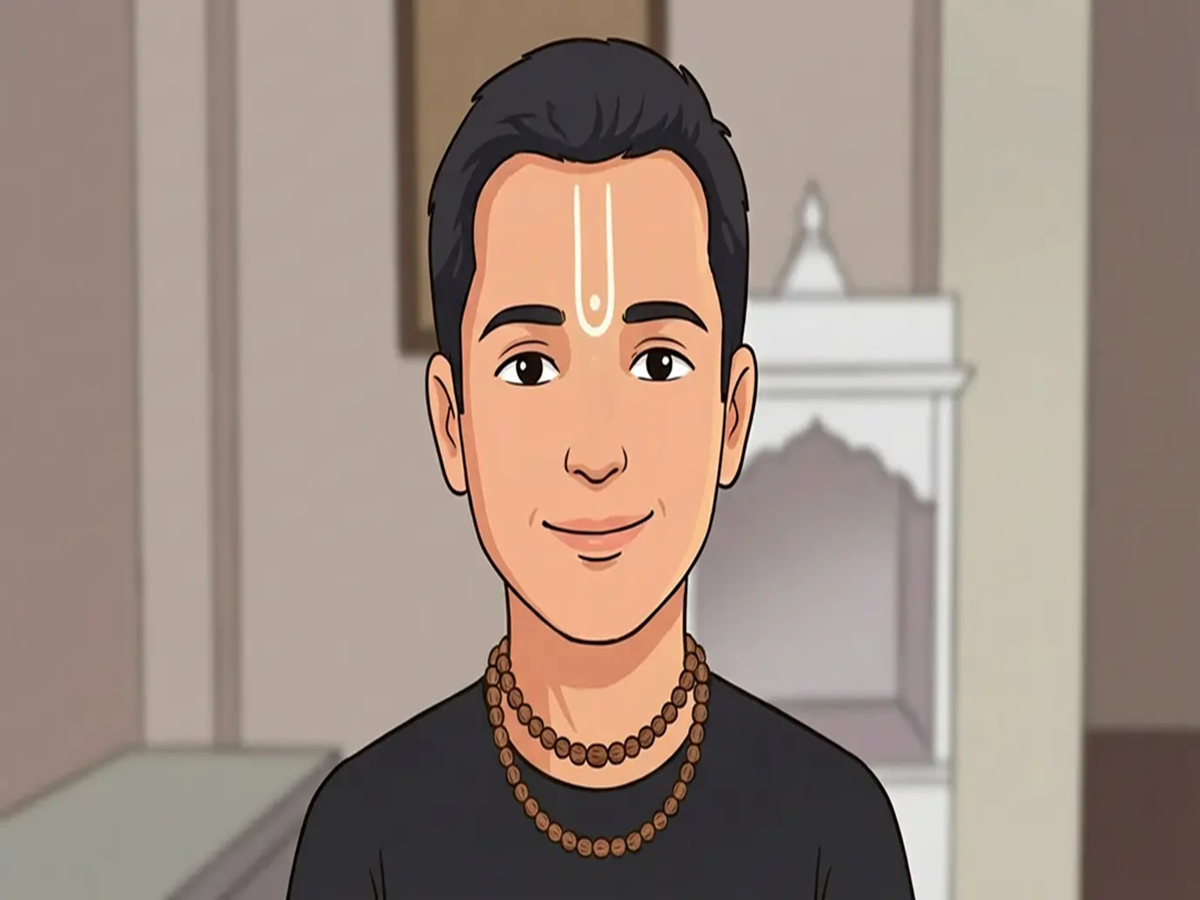
In Sanatan Dharma, the tilak is not just a forehead adornment, but an important part of our spiritual identity. You may have often seen a tilak shaped like the letter 'U' on the foreheads of temple priests or devotees. This is called the 'Urdhwapundra' (U-shaped tilak). Let's explore the religious and scientific basis behind this special tilak.

1. The Deep Meaning of the Urdhvapundra Tilak
According to religious beliefs, the 'U'-shaped tilak is primarily applied by devotees of Lord Vishnu and his incarnations. This shape symbolizes the feet of Lord Vishnu. When a devotee wears it on their forehead, it signifies surrender at the feet of God. It awakens a sense of humility and surrender.
2. The Form of the Tilak and the Three Lines
The Urdhvapundra tilak often consists of two vertical lines, joined at the bottom. These two lines represent the body's major nerves—the Ida and Pingala. When applied to the center of the forehead (Ajna Chakra), it helps increase concentration and mental peace.
3. Benefits of Applying the 'U' Tilak
Ancient texts describe several mental and physical benefits of applying the tilak:
Positive Energy: According to astrology, wearing a tilak purifies the thoughts of the mind and instills confidence in the individual.
Concentration: The pineal gland is located at the spot on the forehead where the tilak is applied. Rubbing it or applying it there increases concentration.
Memory: Regularly applying the tilak sharpens the memory and reduces stress.
4. Importance of Sandalwood and Turmeric
This tilak is usually applied with white sandalwood, yellow sandalwood, or turmeric. According to religious beliefs, the coolness of sandalwood calms the mind, reducing anger and enabling a person to make informed decisions while remaining calm.
PC Social Media