LIFESTYLE
Today is Parivartini Ekadashi; learn about its significance, worship rituals, and auspicious timings..
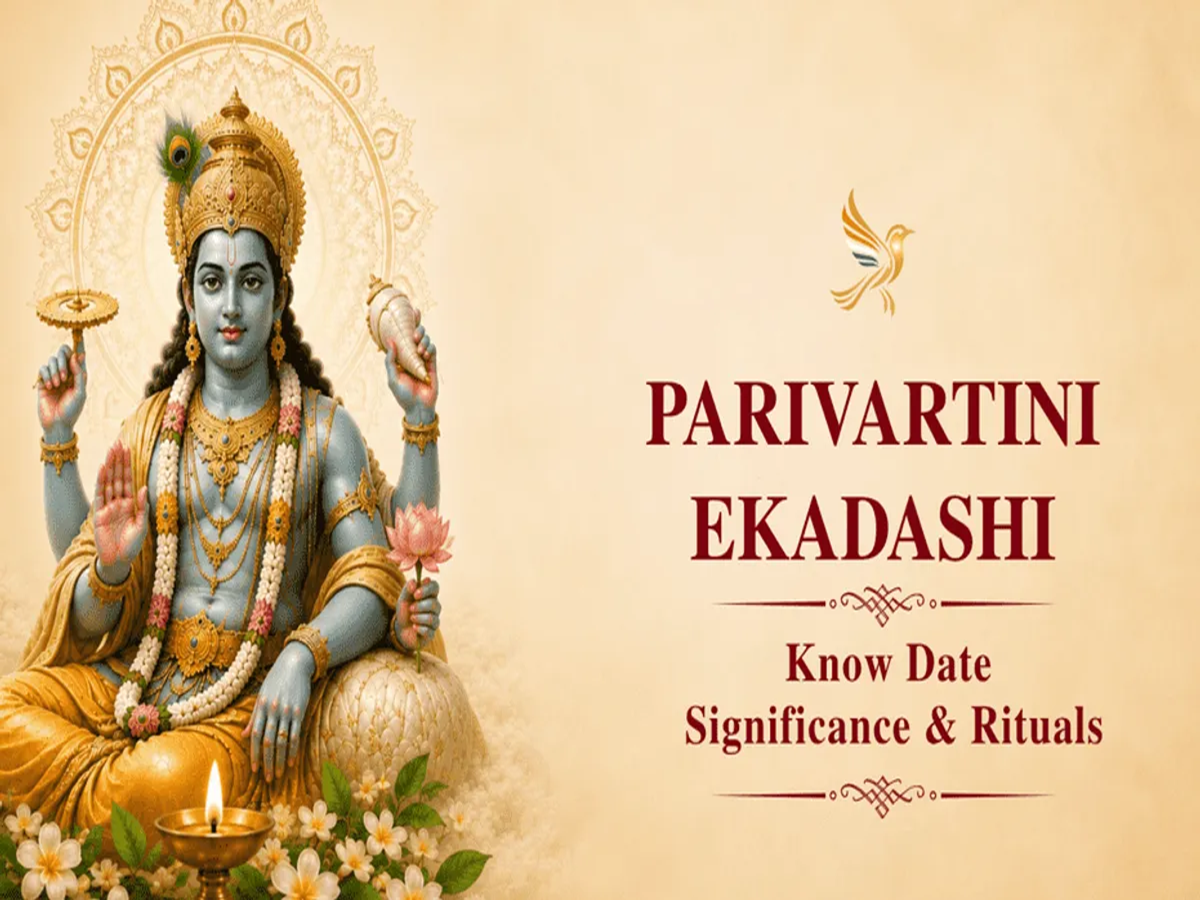
Parivartini Ekadashi 2026: For those observing the Ekadashi fast, understanding the precise alignment of dates and *tithis* (lunar days) can often be confusing. A similar question has arisen regarding Parivartini Ekadashi this year: should the fast be observed today or tomorrow? According to the *Panchang* (almanac), the Ekadashi *tithi* began on the evening of September 21 and continues throughout the day on September 22. Therefore, based on the *Udaya Tithi* (the *tithi* prevailing at sunrise), the Parivartini Ekadashi fast is being observed on September 22.

On this day, Lord Vishnu is worshipped, and there is a tradition of offering items considered dear to Him. Let us explore the religious significance of this Ekadashi, the method of worship, and the offerings that can be made during the ritual.
Parivartini Ekadashi
The Ekadashi falling during the waxing phase (*Shukla Paksha*) of the Bhadrapada month is known by various names, including Parivartini Ekadashi, Padma Ekadashi, and Parshva Ekadashi. According to the *Drik Panchang*, the Ekadashi *tithi* began around 8:00 PM on September 21, 2026, and will conclude at 9:43 PM on September 22. In accordance with the *Udaya Tithi* rule, the fast is being observed on September 22.
True to its name, this Ekadashi is associated with Lord Vishnu changing His posture (*karvat badalna*) while in His cosmic slumber (*Yoga Nidra*). Religiously, this day is considered especially auspicious for worshipping Shri Hari and observing the fast. It is important to note that these details are based on religious traditions and beliefs and should not be viewed as scientific facts.
How to Perform Worship on Parivartini Ekadashi
Those observing the fast should bathe, wear clean clothes, and clean the place of worship in the morning.
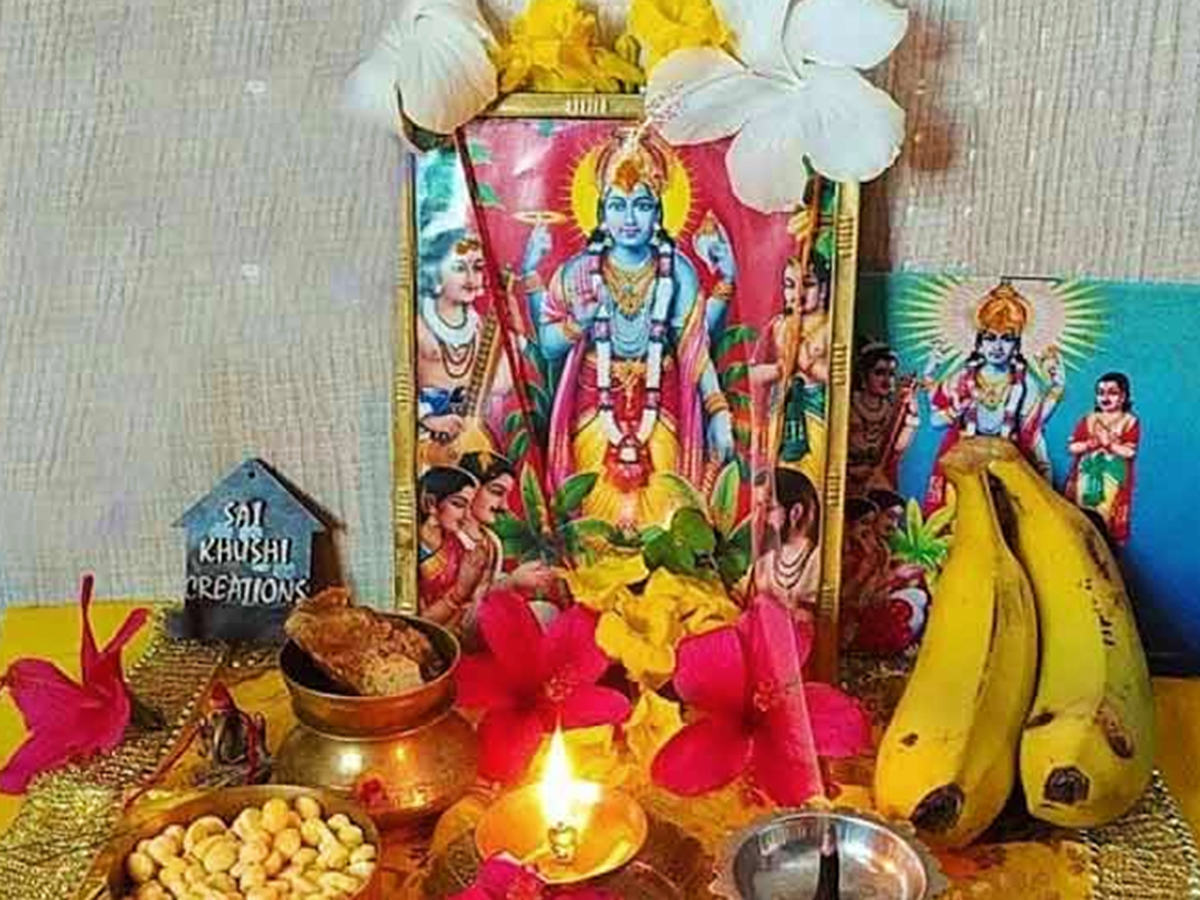
Subsequently, one can take a vow (*sankalp*) to observe the fast after lighting a lamp before an idol or picture of Lord Vishnu.
There is a tradition of offering yellow flowers, *Tulsi* leaves, and yellow-colored sweets to Shri Hari.
During the worship, one may chant the Vishnu Mantra while meditating on Lord Vishnu.
Depending on one's devotion, one may also recite the *Vishnu Sahasranama* or the *Ekadashi Vrat Katha* (the story associated with the fast). Light a lamp again in the evening and perform the *Aarti*.
**Offerings for Shri Hari**
Tulsi leaves hold a special place in the worship of Parivartini Ekadashi. Additionally, yellow flowers, fruits, bananas, yellow sweets, and *Panchamrit* can be offered. According to religious tradition, the color yellow is dear to Lord Vishnu. Purity and devotion are considered more important than the specific items offered during the ritual. Those observing the fast may consume *Phalahar* (fruit-based diet) or other prescribed fasting foods, depending on their capacity. Observing a *Nirjala* fast (fasting without water) is not considered mandatory for everyone; the method of fasting can be determined based on one's physical condition and family traditions.
**When to Break the Fast (*Paran*)**
The Parivartini Ekadashi fast is concluded (*Paran*) on the following day, during the *Dwadashi Tithi* (twelfth lunar day). The timing for breaking the fast may vary slightly depending on the sunrise time in different cities. For instance, the *Panchang* (almanac) for Sihora, Madhya Pradesh, lists the *Paran* time on September 23rd as being between 5:58 AM and 8:24 AM. It is advisable to consult the local *Panchang* for Bhopal. Religious belief holds that breaking the fast during the *Dwadashi Tithi* is significant; therefore, observers should check the correct timing according to their city's *Panchang*.
**Focus on Devotion During Worship**
The tradition of worshipping on Parivartini Ekadashi emphasizes inner sentiment and devotion over the accumulation of ritual materials. Therefore, rather than gathering a multitude of items, simply maintaining cleanliness, meditating on Lord Vishnu, offering Tulsi leaves, and observing the fast according to one's capacity is considered sufficient.
PC Social Media