FASHION
Troubled by itching during the monsoon? Learn about the main causes of skin allergies and how to prevent them..
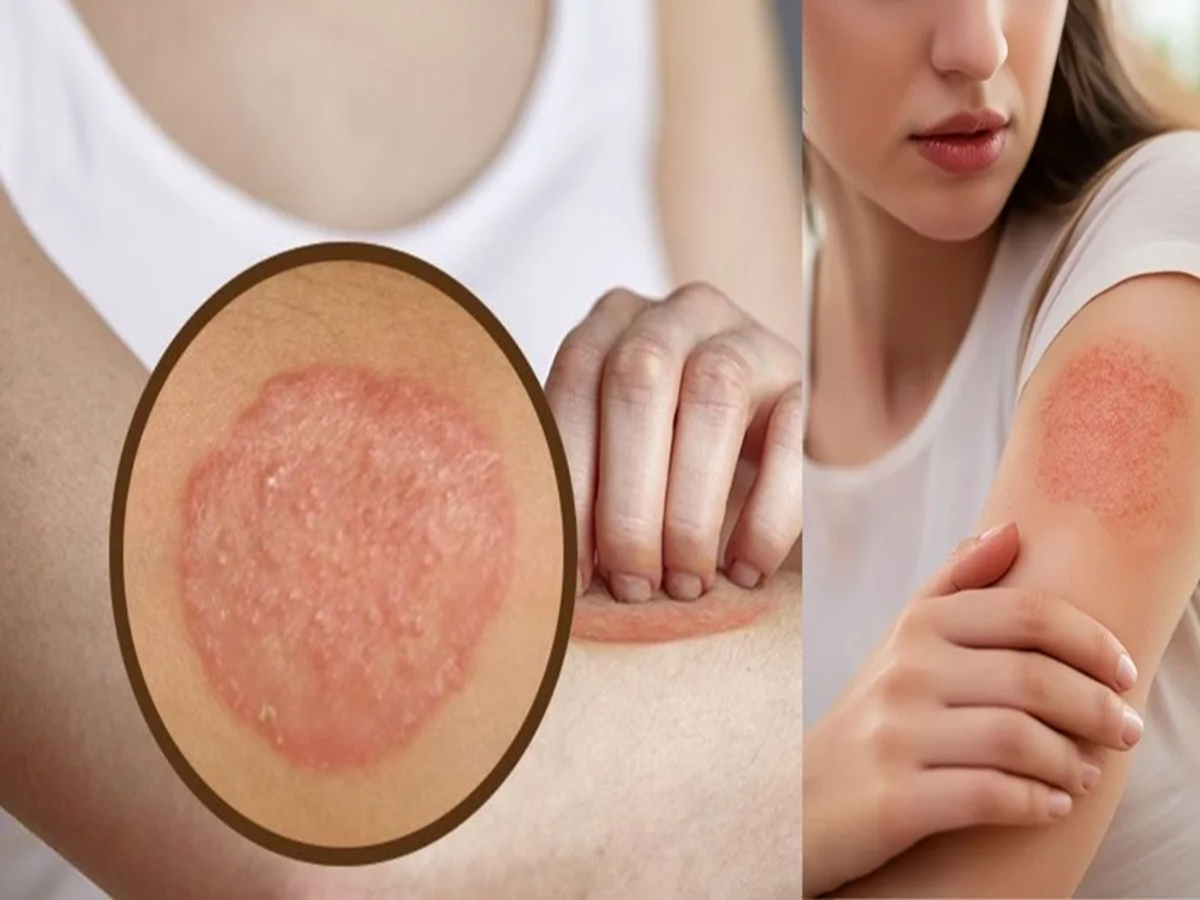
Skin Itching During Monsoon: While monsoon rains offer relief from scorching heat, they also bring humidity and stickiness. The increased humidity levels in the atmosphere during this season adversely affect our skin. According to reports from the National Institutes of Health (NIH) and the Indian Association of Dermatologists (IADV), there is a 30% to 40% rise in cases of skin infections and itching during the rainy season. If you are troubled by persistent skin redness, rashes, or itching during this time, it is crucial to understand the underlying causes and ensure proper care.

To enjoy the pleasant monsoon weather, maintain personal hygiene and seek timely medical advice if symptoms become severe.
Key causes of skin itching during the rainy season:
1. Fungal and bacterial infections: Due to high humidity, sweat does not evaporate quickly. Dermatologists note that moisture accumulation in skin folds (such as the thighs, armpits, and between the toes) allows fungal infections like 'Tinea' (ringworm) and 'Candidiasis' to thrive rapidly.
2. Heat rash and blocked pores: The accumulation of sweat and dirt clogs skin pores, leading to heat rash and pimples, which cause intense itching.
3. Contaminated water and eczema: Contact with contaminated rainwater increases the risk of skin allergies and eczema.
4. Insect bites: Small insects proliferate during the monsoon; their bites can cause swelling and itching.
How to get relief from itching?
1. Keep the skin dry and clean: Bathe with clean water immediately after getting wet in the rain and dry your body thoroughly. Wear only loose-fitting cotton clothing.
2. Use anti-fungal powder: Apply anti-fungal powder to areas of the body that sweat excessively.
3. Neem and Aloe Vera: For natural relief, add water boiled with neem leaves to your bath, or apply fresh aloe vera gel to the itchy area.
4. Mild soap and moisturizer: Use mild or antibacterial soap instead of harsh, chemical-laden soaps. If your skin feels dry, be sure to apply a light moisturizer.
When should you seek medical advice?
Generally, ordinary itching resolves within 2–3 days with proper hygiene and home care. However, health experts advise consulting a doctor or dermatologist immediately in the following situations:
- If the itching persists for more than 4–5 days and home remedies provide no relief.
- If the affected area shows excessive redness, swelling, or pus formation.
- If the itching is accompanied by a high fever or rashes spreading across the body.
- If the itching interferes with your sleep.
To enjoy the pleasant monsoon weather, maintain personal hygiene and seek timely medical advice if symptoms become severe.
PC Social Media