FASHION
What is combination therapy? Learn from a dermatologist about the effects of using these skincare ingredients together..
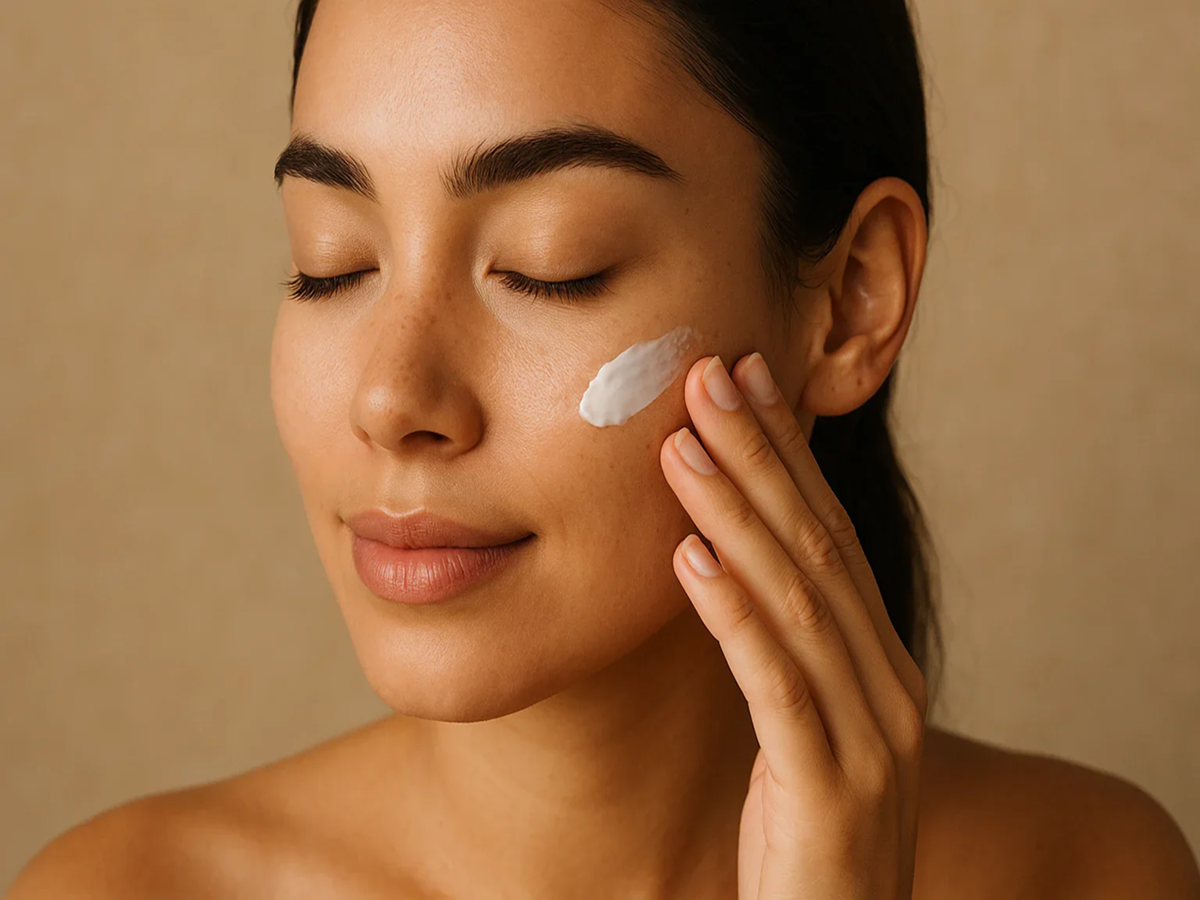
Combination Therapy: In the world of skincare, there's often a race to find the next miracle ingredient. Sometimes retinol is hailed as the ultimate anti-aging solution, while other times vitamin C is declared the best brightening agent. Salicylic acid is considered the number one way to clear pores, but dermatologist Dr. Mark Strom says that skincare isn't as effective when we rely on a single active ingredient, but rather when the right ingredients are combined. This is called combination therapy in dermatology. This approach is based on the "synergy" of ingredients – their ability to work together. This not only allows for targeting multiple skin problems simultaneously but also reduces the side effects caused by potent active ingredients.
Retinol and Peptides
Retinol is considered effective in increasing cell turnover and collagen production, but dryness and irritation are major drawbacks. Many people stop using retinol because of this. According to Dr. Strom, use retinol with peptides. Peptides signal the skin to repair itself and strengthen the skin barrier. In other words, retinol creates new cells, and peptides support the skin to prevent irritation and rashes.
Salicylic Acid and Niacinamide
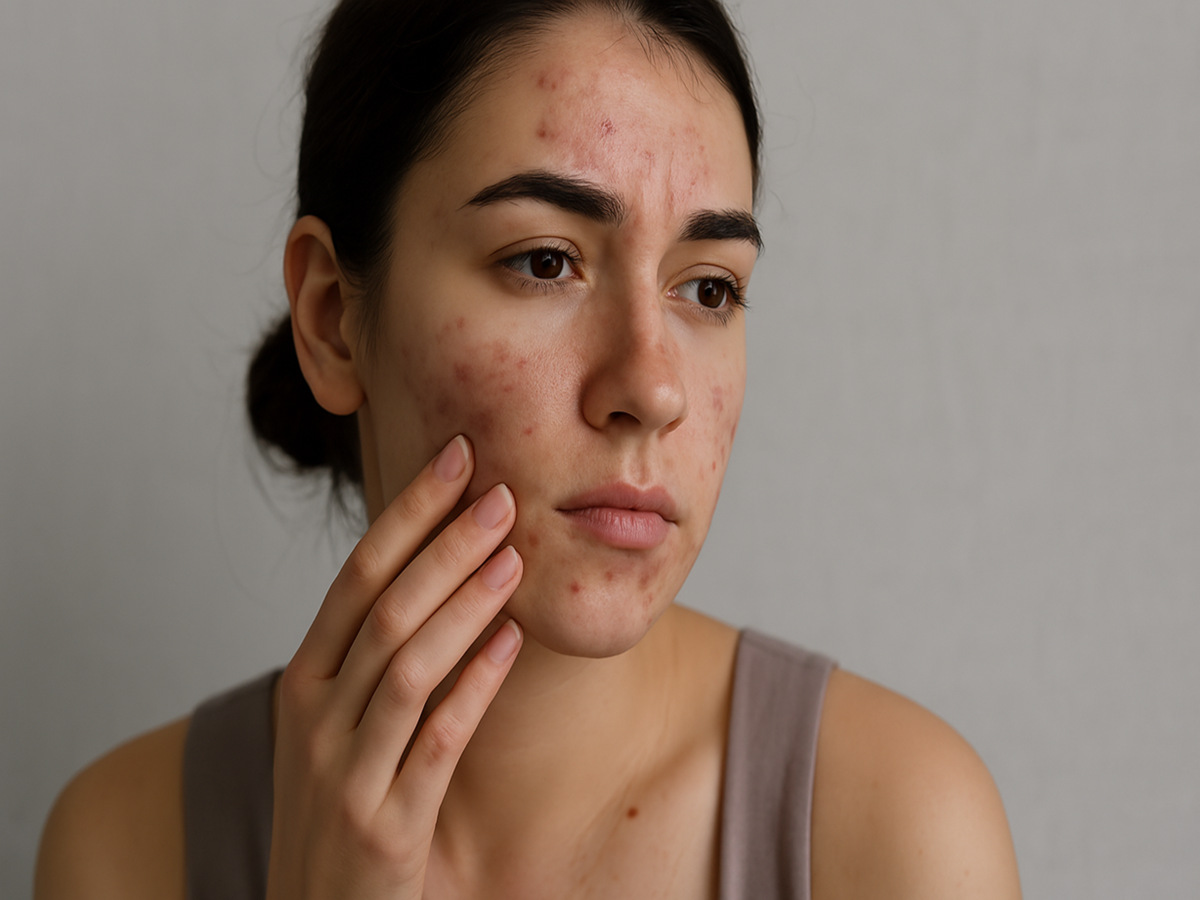
Salicylic acid penetrates deep into the pores to remove oil and dirt, but this deep exfoliation can sometimes increase redness and dryness. Therefore, it's better to combine it with niacinamide. Niacinamide helps balance oil production, reduce inflammation, and strengthen the skin barrier. One cleanses, the other soothes and protects the skin. Together, they control acne and other problems.
Adapalene and Azelaic Acid
Many people are more bothered by the marks left behind by pimples than the pimples themselves. According to Dr. Strom, he recommends the combination of adapalene and azelaic acid. Adapalene is a retinoid that prevents pores from clogging, while azelaic acid kills bacteria and reduces pigmentation. This means it prevents active pimples and also lightens dark spots.
Glycolic Acid and Sunscreen
Glycolic acid exfoliates dead skin cells, revealing new skin, but it significantly increases sun sensitivity. Therefore, its use is impossible without sunscreen. If sunscreen is not applied, UV rays can damage the new skin, negating the full benefits of exfoliation.
Vitamin C and Azelaic Acid
High concentrations of vitamin C can irritate sensitive skin. Therefore, it's better to use it in a milder dose combined with azelaic acid. This combination reduces pigmentation in two ways and also reduces redness.
PC Social Media