LIFESTYLE
What is the difference between anxiety and depression? Which of the two is more dangerous? Find out from a psychiatrist..

Anxiety vs. Depression Symptoms: In recent times, mental health-related issues have been on the rise. According to health experts, anxiety and depression are the most common mental health problems. Millions of people are currently grappling with these conditions. A cause for concern is that most people fail to distinguish between anxiety and depression. Consequently, their distress continues to escalate, and they are unable to seek expert assistance at the appropriate time. It is crucial to understand the differences between anxiety and depression so that these conditions can be identified early on. With the help of counseling and medication, both problems can be effectively treated.
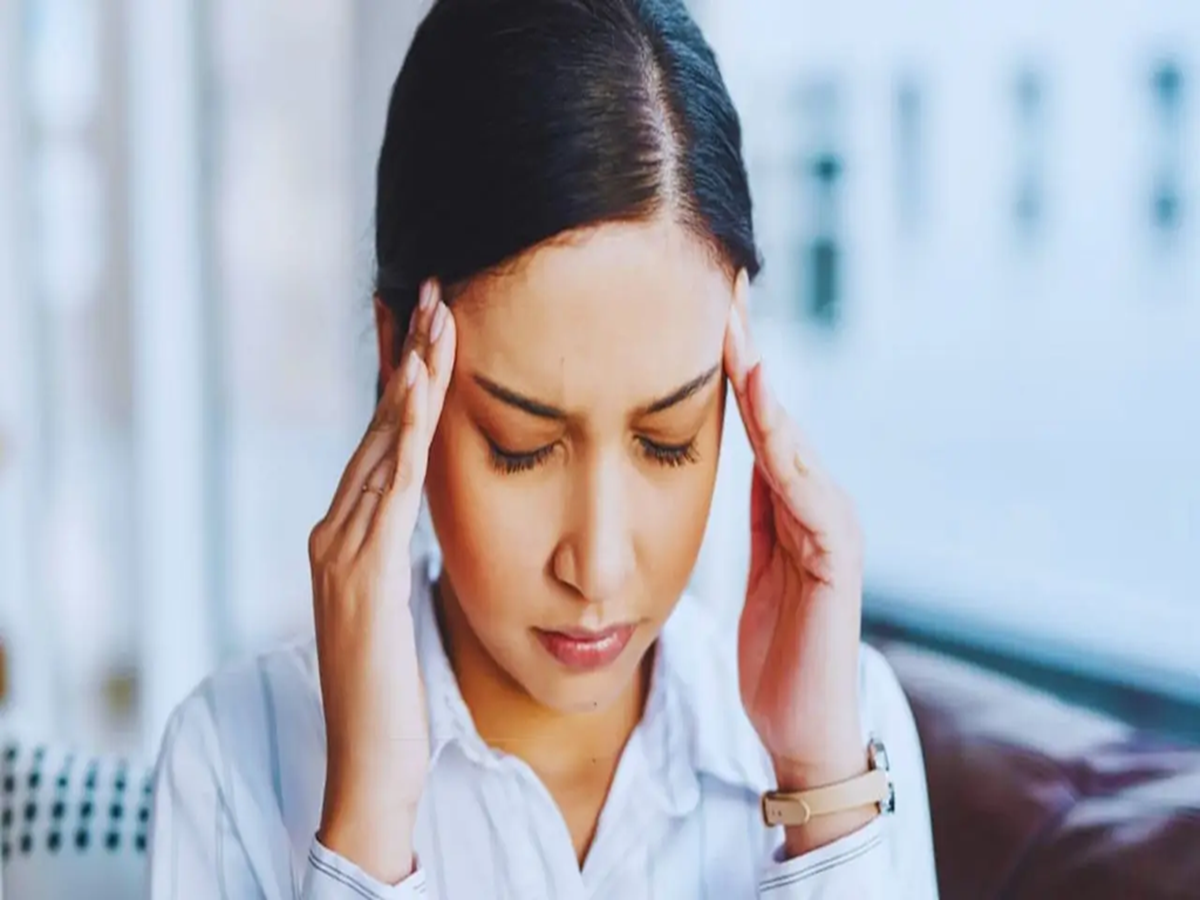
Dr. Prerana Kukreti, a psychiatrist and professor at Lady Hardinge Medical College in New Delhi, explains that anxiety is a mental disorder characterized by excessive worry and fear regarding future uncertainties. Individuals suffering from anxiety experience persistent restlessness, nervousness, a rapid heartbeat, sweating, and sleep disturbances. Often, this fear manifests without any apparent cause, thereby beginning to disrupt daily life. This condition frequently intensifies during stressful situations. While experiencing a mild degree of anxiety is normal, it evolves into a clinical disorder when it becomes excessive.
Dr. Prerana further notes that depression is a condition in which an individual experiences prolonged periods of sadness and hopelessness. The person loses interest in everything and finds it difficult to focus on any task. This leads to diminished self-confidence and, in many instances, gives rise to negative thoughts about life itself. Depression is not merely a mood disorder; it also impacts an individual's thoughts, behavior, and physical health. The most significant distinction between the two is that while a person with anxiety struggles with worries about the future, a person with depression is plagued by a sense of hopelessness regarding the present. Physiologically, the body remains in a state of hyper-arousal during anxiety, whereas energy levels plummet during depression. In many cases, both conditions may coexist—a phenomenon known as mixed anxiety-depressive disorder. In terms of severity, both conditions can be dangerous.
However, depression is often considered more serious, as it can lead to suicidal thoughts. If left unaddressed for a prolonged period, anxiety can result in heart disease, sleep disorders, and mental exhaustion. Therefore, no symptom should be ignored, and it is crucial to seek timely treatment. Both of these conditions are treatable. A patient's condition can be improved through therapy, counseling, lifestyle modifications, and—when necessary—medication. With timely identification and treatment, these conditions can be brought under complete control.
PC Social Media