LIFESTYLE
What is the difference between Jalabhishek, Rudrabhishek, and Panchamrit Abhishek? Learn about their benefits..
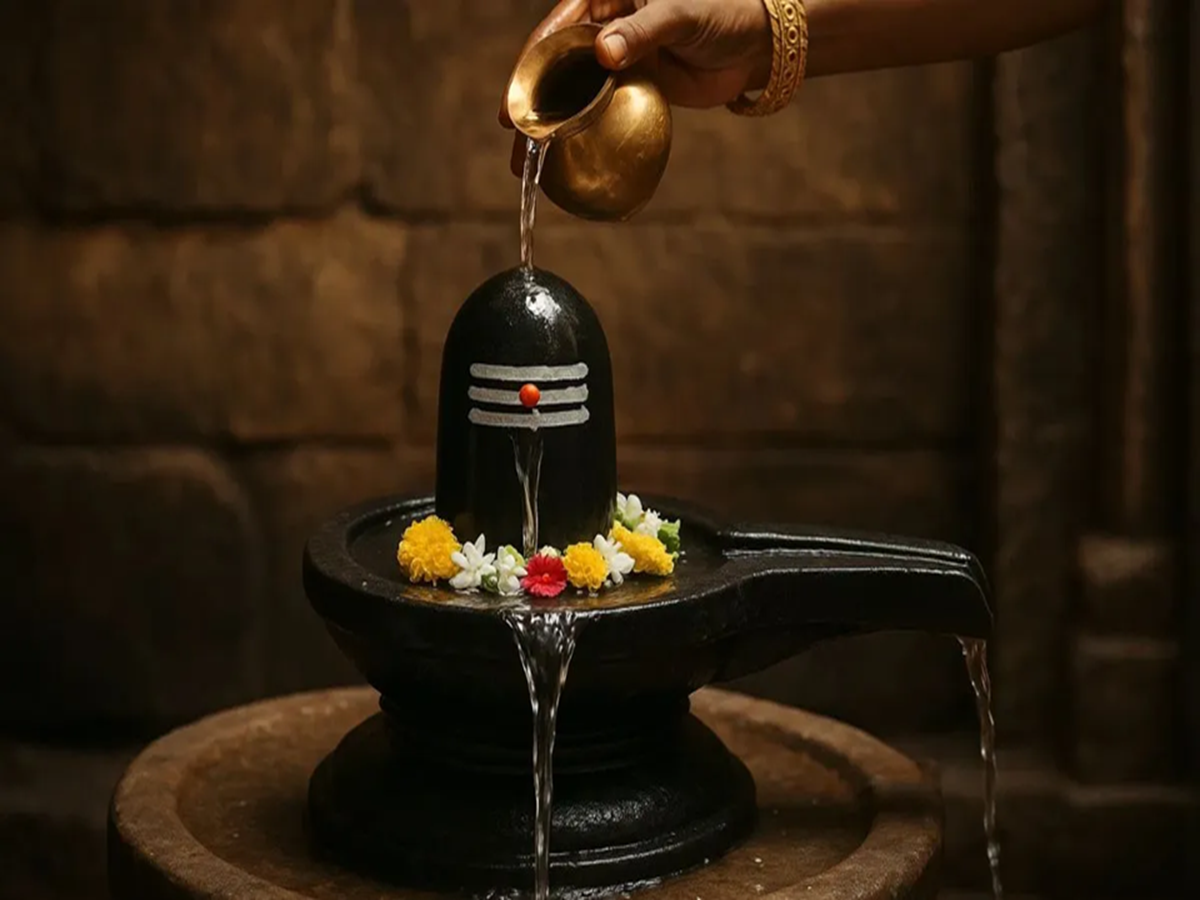
Difference between Jalabhishek and Rudrabhishek: The month of Sawan holds special significance for devotees of Lord Shiva. They strive to please Lord Bholenath in various ways. Since Sawan is Lord Shiva's favorite month, devotees perform rituals such as fasting, worship, ritual bathing, charity, chanting, the Kanwar Yatra, Jalabhishek, Rudrabhishek, and Panchamrit Abhishek to seek Mahadev's grace. As the mere compassion of Shiva Shambhu leads to the salvation of living beings, every devotee wishes to perform Jalabhishek of Lord Shiva during Sawan. Rudrabhishek—which includes Panchamrit Abhishek—is performed to fulfill specific wishes. Let us understand the differences between Jalabhishek, Rudrabhishek, and Panchamrit Abhishek.
Differences between Jalabhishek, Rudrabhishek, and Panchamrit Abhishek
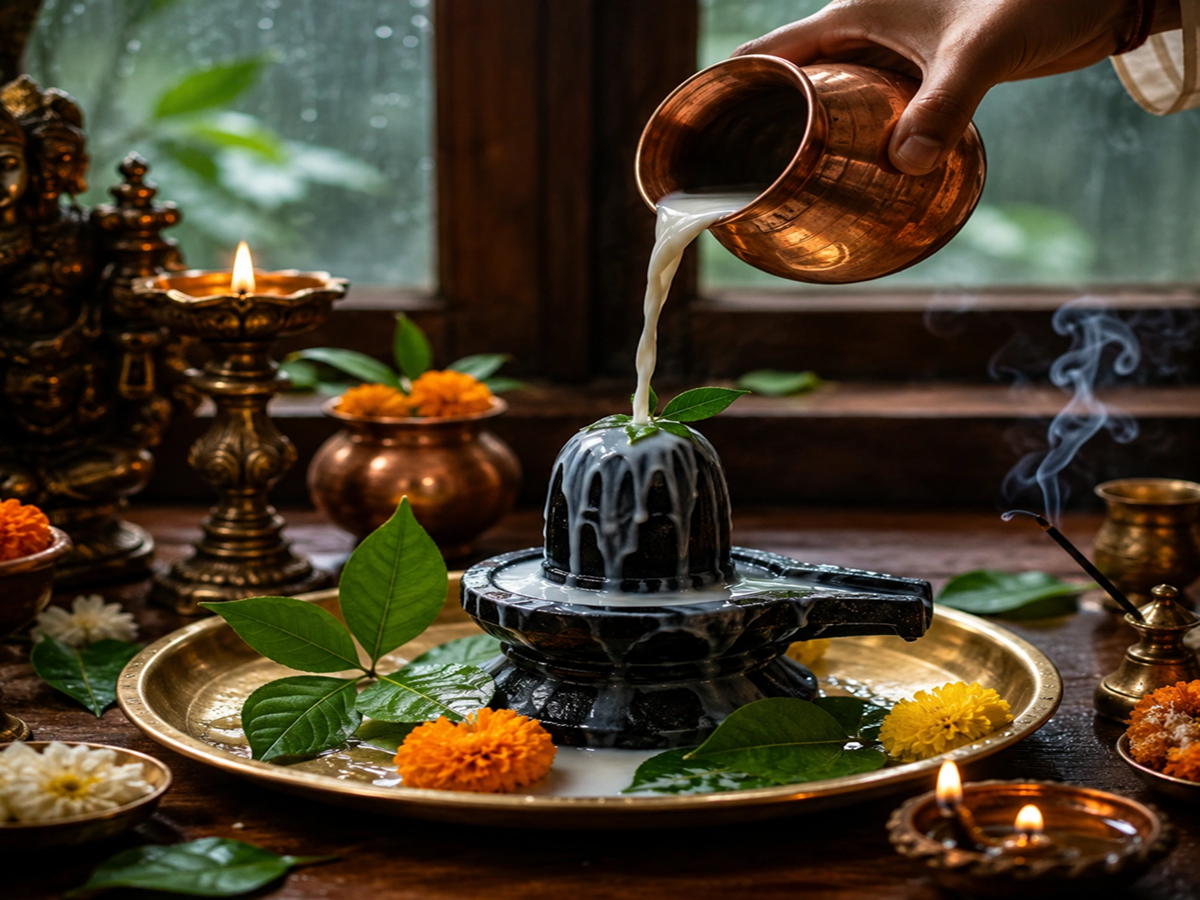
Jalabhishek: Jalabhishek means an *abhishek* (ritual bathing/anointing) performed with water. It involves bathing Lord Shiva with water. You can perform Jalabhishek of Lord Shiva daily. To do this, take a vessel (*lota*) filled with holy water and add raw cow's milk, *akshat* (unbroken rice grains), flowers, and *Belpatra* (wood apple leaves) to it. Then, while chanting Shiva mantras, slowly pour the mixture over the *Shivling*. Alternatively, you may perform the *abhishek* using only water.
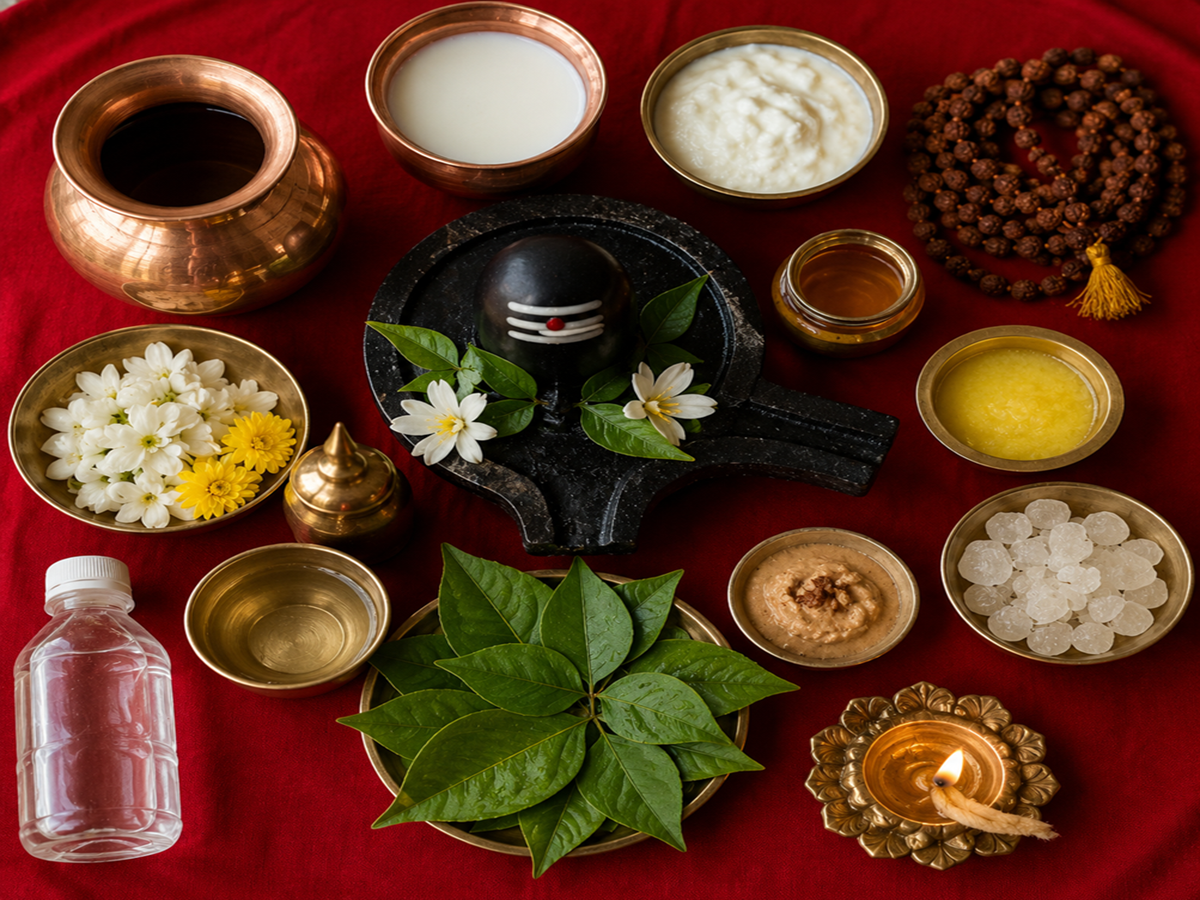
Rudrabhishek: Rudrabhishek is quite different from Jalabhishek. It cannot be performed every day, except during the month of Sawan. Since Lord Shiva resides on Earth (*Shivvas*) every day during Sawan, you can have Rudrabhishek performed on any day of the month. However, in other months, one must check for a day when the *Shivvas* is auspicious and fruitful. Rudrabhishek is performed using substances such as Gangajal (holy water from the Ganges), raw milk, sugarcane juice, curd, honey, sugar or jaggery syrup, or *Panchamrit*.
Unlike Jalabhishek, not everyone can perform this ritual; it requires adherence to specific rules of worship. Rudrabhishek should be performed by a qualified priest, *Pandit*, or astrologer. Panchamrit Abhishekh: Panchamrit Abhishekh is a form of Rudrabhishekh. In this ritual, *Panchamrit*—a mixture of milk, curd, ghee, honey, and sugar—is prepared, and then the Rudrabhishekh of Lord Mahadev is performed. The standard ritual protocols associated with Rudrabhishekh are followed during this process as well.
Benefits of Jalabhishekh and Rudrabhishekh
Performing Jalabhishekh and Rudrabhishekh is recommended when one is grappling with incurable diseases, suffering, mental anguish, planetary afflictions (*Graha Dosh*), failure, domestic discord, legal disputes, the threat of untimely death, *Kaal Sarp Dosh*, or marital separation. These rituals foster progress in life, bring happiness, peace, and prosperity to the family, and bless the individual with good health.
On which days can Rudrabhishekh be performed?
Performing Rudrabhishekh on the day of Mahashivratri yields exceptionally auspicious results. Additionally, it can be performed on any day during the holy month of *Sawan* (Shravan), or specifically on *Sawan Shivratri*, *Sawan Pradosh*, or *Sawan Mondays*. Furthermore, since *Shivratri* and *Pradosh Vrat* occur every month, Rudrabhishekh can be performed on those days as well. It can also be performed on any Monday of the month that coincides with an auspicious *Shivvas* (a time considered favorable for Lord Shiva's presence).
PC Social Media