LIFESTYLE
What is the significance of lighting 13 lamps on Dhanteras? Find out where to place them..
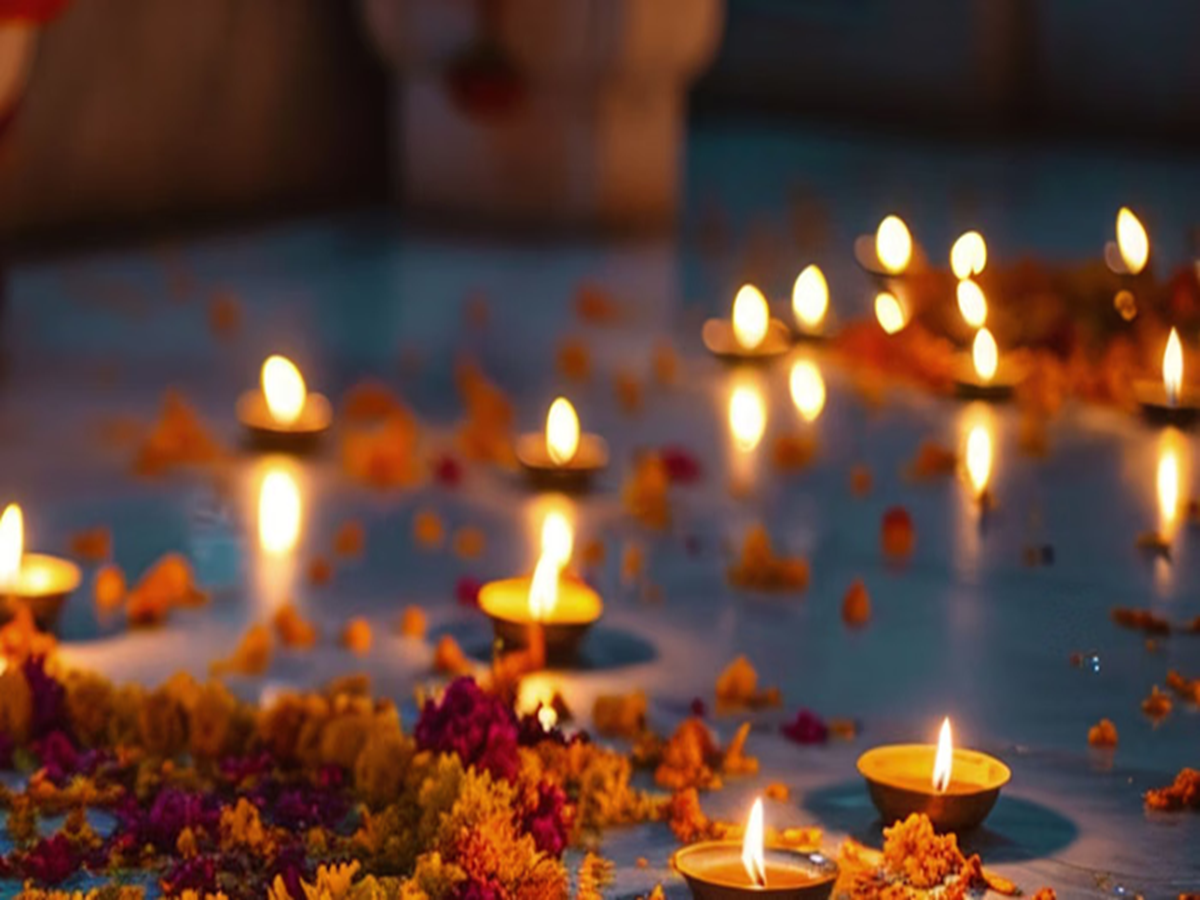
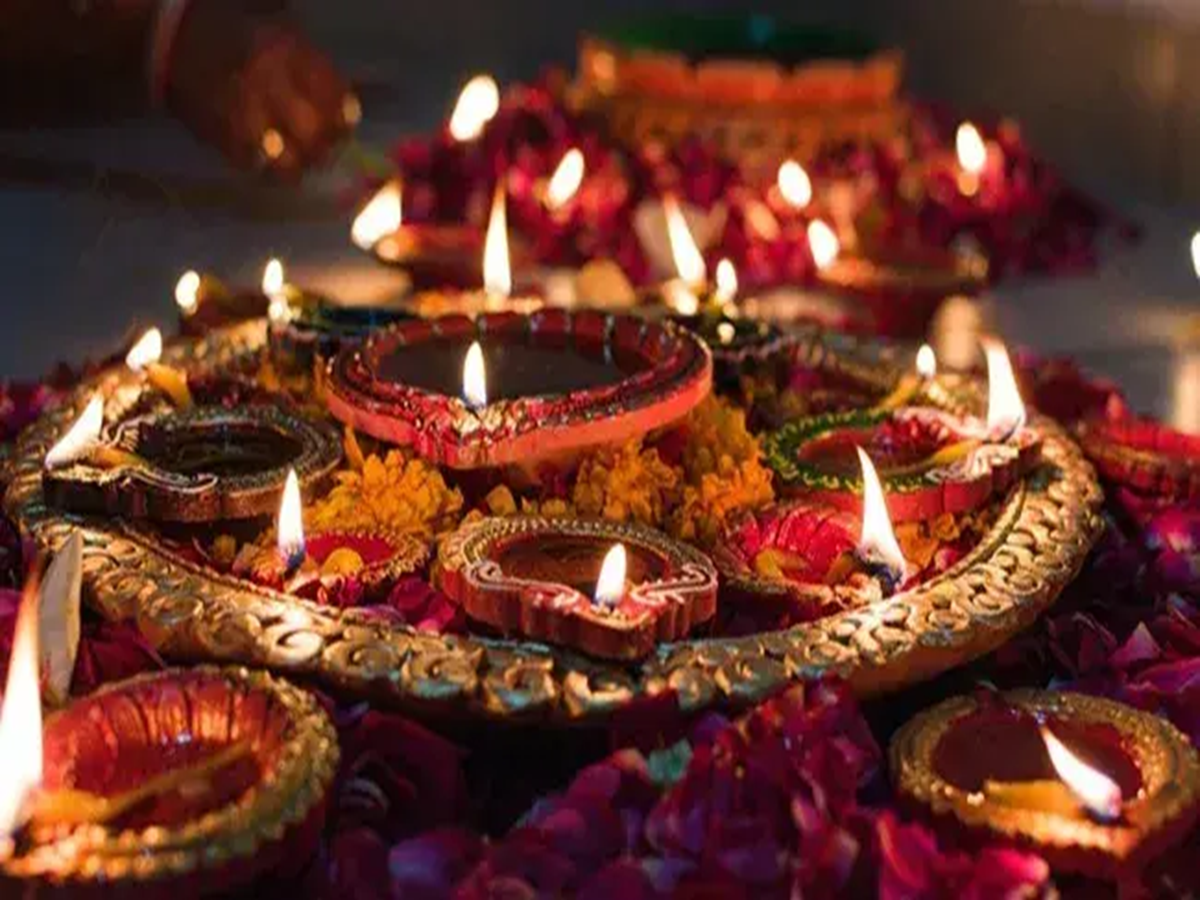
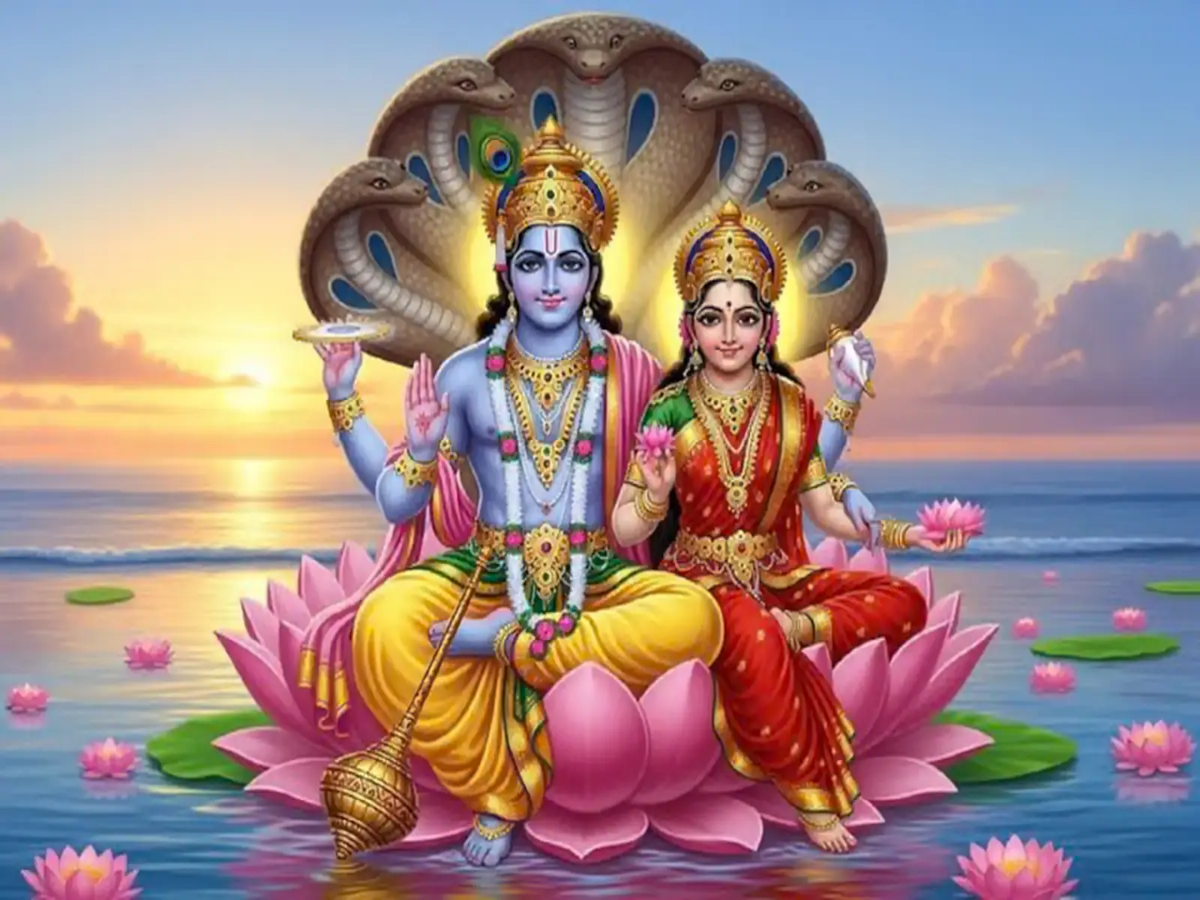
In Hinduism, the festival of Dhanteras is considered a symbol of prosperity, good health, and auspiciousness. Celebrated on the thirteenth day (Trayodashi) of the waning phase (Krishna Paksha) of the month of Kartika, this festival involves the worship of Lord Dhanvantari, Goddess Lakshmi, and Lord Kubera. There is a special tradition of lighting lamps (diyas) in homes on this day. According to religious beliefs, lighting 13 lamps on the evening of Dhanteras is considered auspicious. Among these, the lamp lit in the name of Yama (the Lord of Death) holds particular significance; it is believed that this ritual fosters peace and happiness within the family and promotes the longevity of its members. Let us explore the religious significance of lighting 13 lamps on Dhanteras and the traditional locations where these lamps are to be placed.
What is the religious significance of lighting 13 lamps on Dhanteras?
The tradition of lighting lamps on Dhanteras is rooted in the symbolism of light, auspiciousness, and the dispelling of negativity. It is believed that lighting lamps on this day creates a positive atmosphere at home and brings prosperity and happiness to the family. There is also a prevalent tradition of lighting a lamp in the southern direction dedicated to Yama, known as the 'Yama Deepaka'. According to religious belief, by lighting this lamp, one prays for the well-being of family members and for protection against untimely death. It should be noted that these are religious beliefs, which may be observed in various ways across different regions and families.
Where should the 13 lamps be placed in the home on Dhanteras?
The first and most significant lamp on Dhanteras is the one lit in the name of Yama. According to tradition, this lamp is placed outside the main entrance of the house, facing the southern direction. In many traditions, mustard oil is used for this specific lamp. While lighting these lamps, prayers are offered for the peace and happiness of the family and the well-being of all its members. A second lamp can be lit at the home’s place of worship, before Lord Dhanvantari and Goddess Lakshmi. Lighting lamps during the worship on Dhanteras is considered a symbol of auspiciousness. It illuminates the sacred space, allowing devotees to worship the deities with deep reverence.
In many households, there is also a tradition of lighting a lamp near the Tulsi (holy basil) plant. In Hinduism, the Tulsi plant is held in high regard. Lighting a lamp near it in the evening is a gesture to seek well-being, prosperity, and auspiciousness for the family. When placing the lamp, ensure it is kept at a safe distance from the plant and any other flammable objects nearby.
A fourth lamp can be placed near the entrance of the home. It is customary to illuminate the main entrance with lamps and decorations during festivals. According to religious belief, an entrance adorned with light signifies auspiciousness and positivity. Place the lamp in a spot where it does not obstruct the movement of people.
There is also a tradition of lighting a fifth lamp on the rooftop or in an open space. This is often associated with the concept of an 'Akash Deep' (a lamp lit for the heavens). It is believed that offering a lamp in this manner brings auspicious rewards. When placing a lamp in an open area, take special care to protect it from the wind and ensure there is no risk of fire.
If there is a Peepal tree near your home, some traditions suggest lighting a lamp near it. The Peepal tree holds great religious significance, and many beliefs are associated with it. When choosing a spot to light the lamp, ensure that the tree, any dry leaves, or people nearby are not at risk from the flame.
A seventh lamp can be lit at a nearby temple on the occasion of Dhanteras. Offering a lamp at a temple is a tradition rooted in faith and devotion. You may light a lamp at a temple at your convenience and pray to the Divine for your family’s well-being, good health, happiness, and peace. According to some common beliefs, it is suggested to place a *diya* (lamp) near the area where household waste is kept. This practice can be seen as an expression of the desire to keep every part of the home clean and illuminated. However, do not place the *diya* near trash, paper, plastic, or other flammable materials; prioritize safety by keeping it at a sufficient distance.
In some traditions, it is also customary to place a *diya* outside the main entrance of the restroom. This should not be considered a mandatory religious requirement for every household. If you choose to do so, ensure the *diya* is placed in a secure spot and never leave it unattended.
A *diya* can also be placed on a balcony or gallery. Illuminating the open areas of the home during a festival adds to the celebratory atmosphere. Avoid placing the *diya* on the edge of a railing or in any location where it might fall; choose a stable surface that is protected from the wind.
Another *diya* can be placed near a window, which helps to brighten that part of the home. Ensure that the *diya* is kept well away from curtains, wooden frames, decorative paper, or any other flammable items. If there is no safe spot available near the window, place the *diya* on a stable surface elsewhere.
The twelfth lamp can be placed in the rear part of the house or in any open corner where there is sufficient space. The tradition of lighting lamps in various parts of the home on Dhanteras also serves to illuminate the entire house. When placing a lamp in a dark corner, ensure that there is no risk of fire caused by drafts, curtains, or other items.
According to some traditions, a thirteenth lamp is placed in the kitchen, near the area where drinking water is kept. In Hinduism, the kitchen is considered a symbol of Goddess Annapurna and the prosperity associated with food. Lighting a lamp here is a gesture to invoke blessings for an abundance of food and wealth in the household. However, ensure it is kept away from the gas stove, oil, fabrics, and other flammable materials.
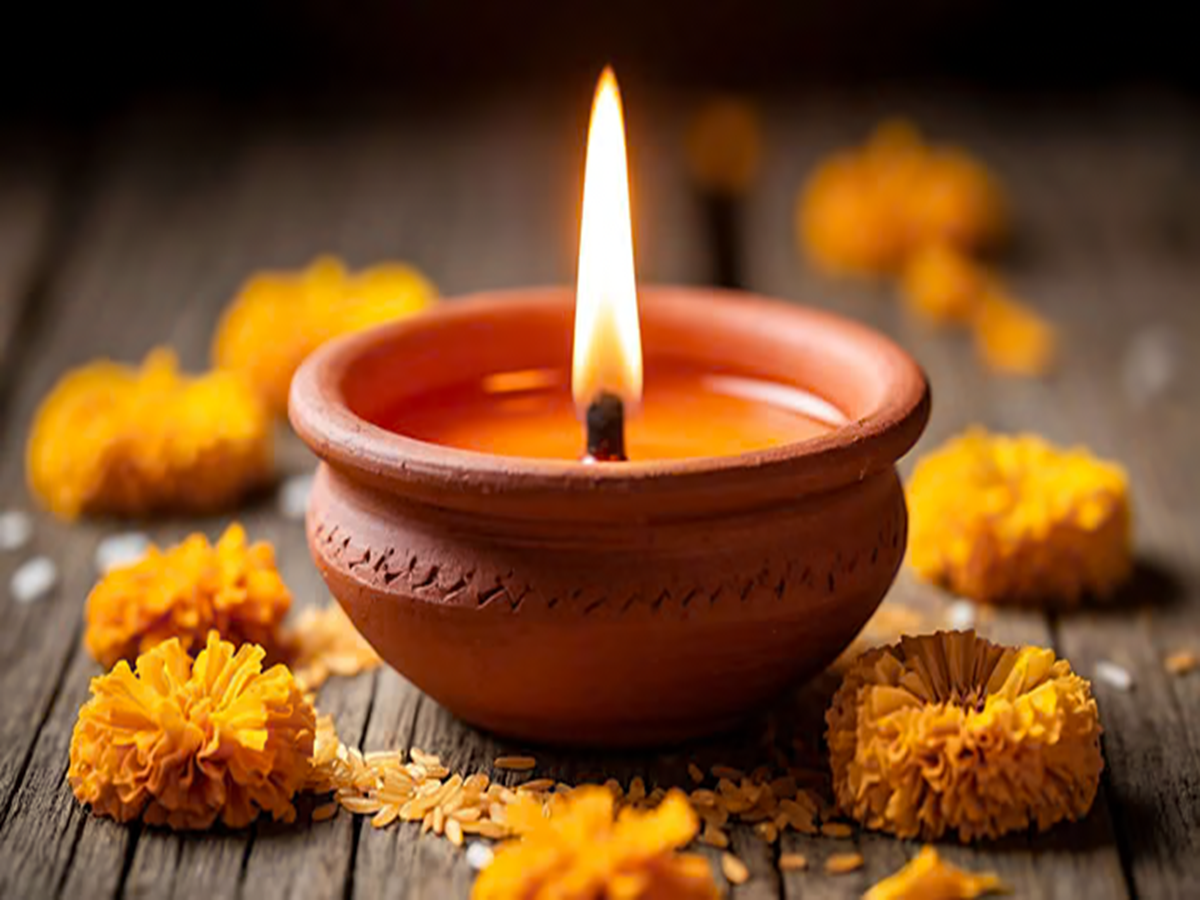
Points to keep in mind while lighting lamps on Dhanteras:
While lighting lamps on Dhanteras, it is essential to prioritize safety alongside devotion.
Place the lamps on a stable, fire-resistant surface.
Keep them at a safe distance from curtains, paper, clothing, and other flammable objects.
Ensure the lamps are kept out of the reach of children and pets, and never leave a lit lamp unattended.
Lighting lamps in all 13 locations is not a mandatory rule for every family.
You may perform the ritual of lighting lamps according to your family traditions, local customs, and the availability of safe spaces in your home.