LIFESTYLE
Which vegetables and fruits should you eat in September? Make sure to include these seasonal foods in your diet..
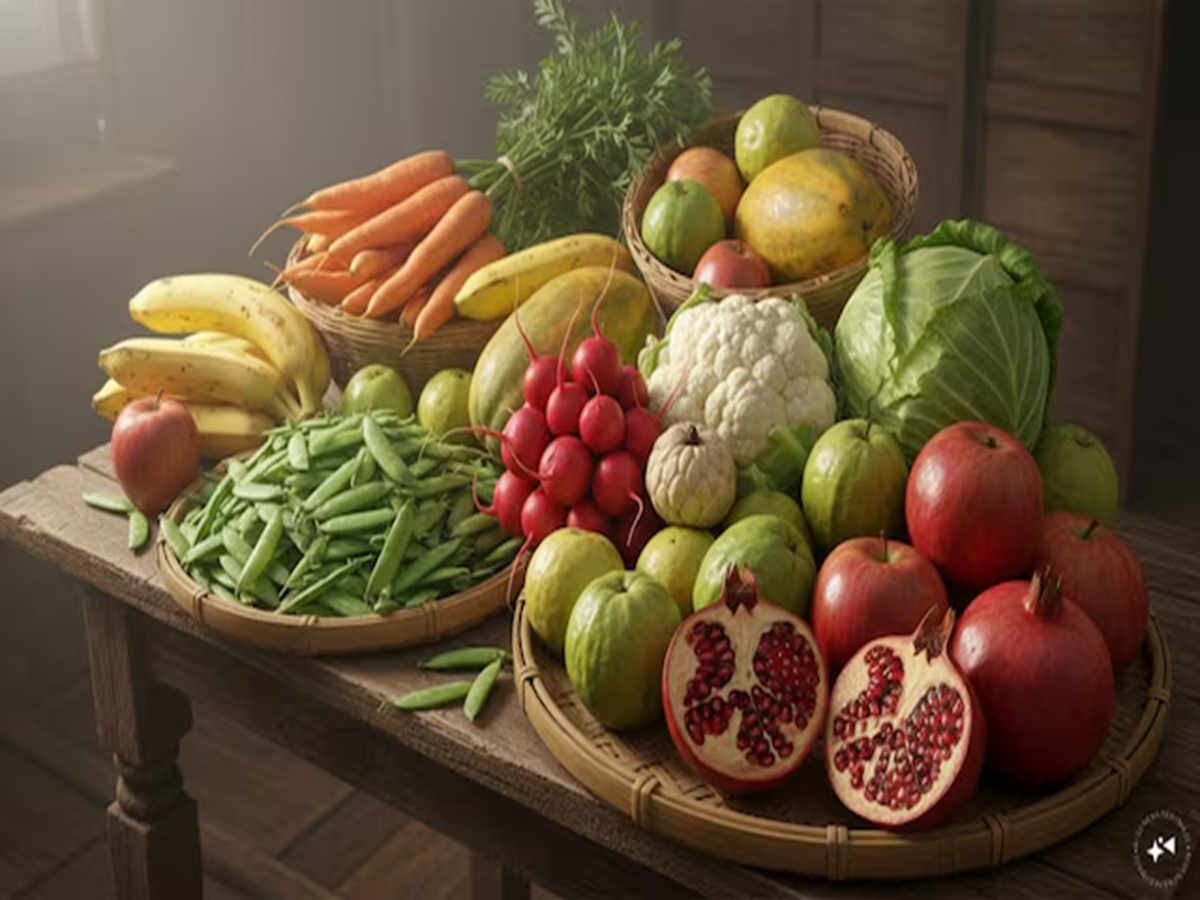
September marks the final phase of the rainy season and a transition in the weather. During this time, certain fruits and vegetables begin to appear in the market, signaling the onset of the cooler season ahead. Instead of consuming excessive fried or packaged foods, it is a better choice to incorporate local and seasonal produce into your diet. The FSSAI also recommends including fresh, colorful, seasonal, and local fruits and vegetables in a balanced diet.
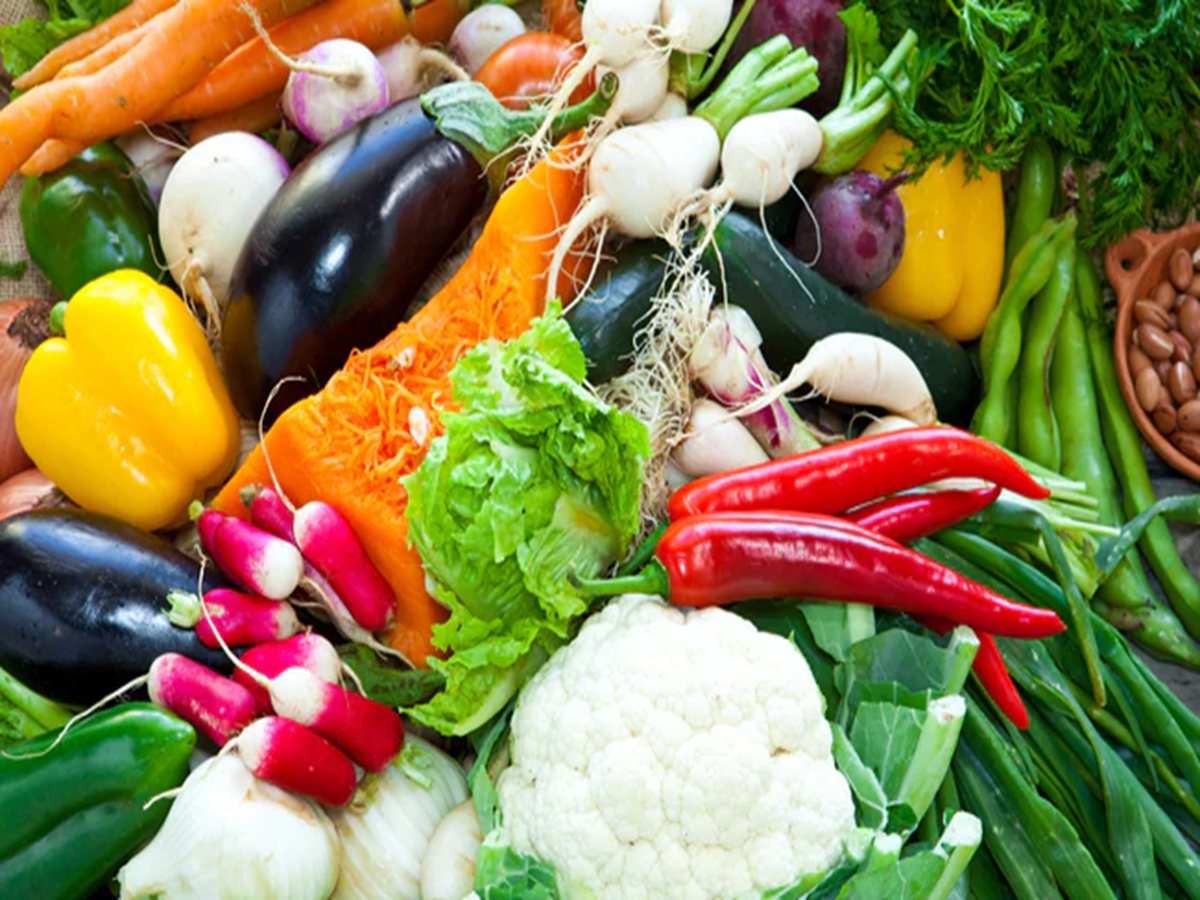
**Green Vegetables to Eat in September**
In September, vegetables like eggplant (brinjal), okra (ladyfinger), bottle gourd, and other local varieties are available in the market. According to the FSSAI's Seasonal Vegetable Calendar, the eggplant harvest is available from September to November, while the harvest period for bottle gourd extends from October to December in many regions. However, cultivation timelines can vary depending on the state and weather conditions.
Including green leafy vegetables in your meals this month is also a great option. Leafy greens like spinach and fenugreek are rich in fiber and various micronutrients. Ensure they are washed thoroughly and cooked hygienically—especially after the monsoon season, when extra attention to vegetable cleanliness is crucial.
**Winter Vegetables Start Arriving in September**
Cultivation for many winter vegetables begins in September. According to the FSSAI calendar, the sowing period for carrots is August to October, while peas and radishes are sown between September and October. September and October are also the recommended months for sowing cauliflower and cabbage. This means the availability of these vegetables gradually increases, although their peak season may vary by location.
**Fruit Options to Include**
Fruits such as guava, banana, papaya, apple, and pomegranate are readily available in many Indian markets during September. The benefit of consuming seasonal fruits is that they help incorporate fiber, vitamins, and other essential nutrients into your diet. According to the FSSAI, eating whole fruits is a better option than drinking juice because whole fruits contain natural fiber.
Custard apple (*sharifa* or *sitaphal*) also becomes available in many regions during September. According to the ICAR, the custard apple crop typically ripens around August-September; besides being eaten fresh, it is used in milkshakes, custards, and other products.
**Pay attention to hygiene when buying fruits and vegetables**
Due to the rain and humidity in September, focus on hygiene as well as freshness when purchasing fruits and vegetables. Avoid buying cut fruit or produce that has been left uncovered for a long time. Clean fruits and vegetables thoroughly after bringing them home. According to the FSSAI, produce should be washed well before cutting or peeling, and it is best to use them promptly after cutting.
PC Social Media