
LIFESTYLE
Health Tips: Does your salt contain iodine? Why is iodine intake necessary, and in what amount?

It is difficult to imagine food in an Indian kitchen without salt. Salt contains iodine, making its inclusion in cooking essential for health. However, many types of salt contain very low levels of iodine. What is iodine? It is a nutrient, the deficiency of which can lead to various health issues. It affects everything from the functioning of the thyroid gland to the physical and mental development of children. To raise awareness about this, World Iodine Deficiency Day is observed every year on October 21st.
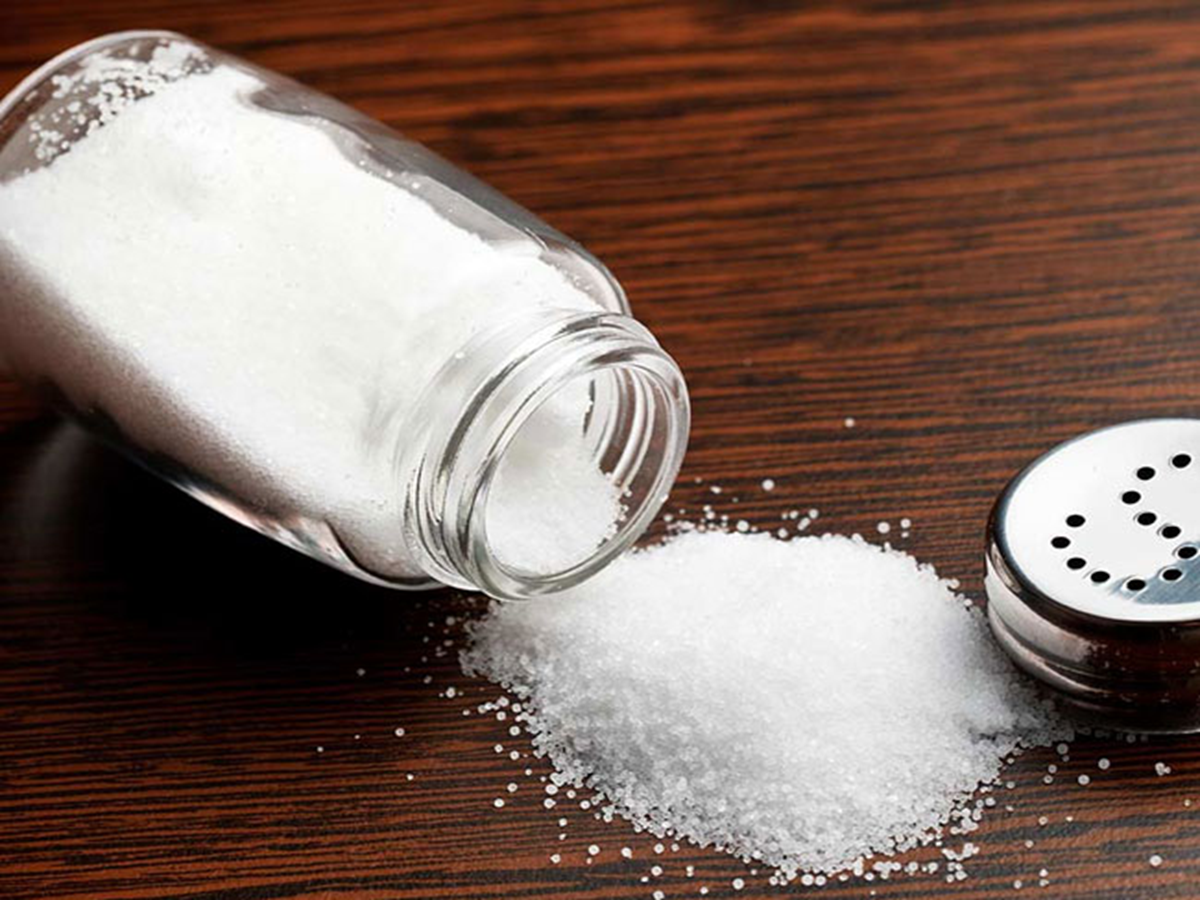
Adults require approximately 150 micrograms of iodine daily. Pregnant women need 220 micrograms, and breastfeeding women require 290 micrograms. Therefore, maintaining a proper diet and using iodized salt is crucial to prevent iodine deficiency. Let us explore the problems that can arise from an iodine deficiency and how it can be prevented.
Why is iodine essential for the body?
Iodine is an essential nutrient for the body. It assists the thyroid gland in producing hormones. These hormones regulate the body's metabolism, temperature, and overall development. A deficiency of iodine can impair the production of thyroid hormones, potentially leading to issues such as fatigue, lethargy, weight gain, and increased sensitivity to cold.
Problems caused by iodine deficiency:
Goiter – An iodine deficiency can cause the thyroid gland to enlarge, resulting in swelling at the front of the neck. This condition is known as a goiter.
Thyroid-related issues – If the body does not receive sufficient iodine, the thyroid gland cannot function properly. This can lead to conditions such as hypothyroidism. Impact on child development: Iodine is essential for a child's brain and physical development. A severe deficiency can impair learning, cognitive abilities, and overall growth.
Risks during pregnancy: Iodine is crucial for pregnant women. A severe deficiency can harm the development of the brain and nervous system of the fetus. In some cases, it may also increase the risk of pregnancy-related complications.

How to prevent iodine deficiency?
Always check the information on the packet when purchasing salt. Store salt in a sealed container to protect it from moisture and heat. However, consuming excessive salt to meet iodine requirements is not advisable; high salt intake can increase the risk of high blood pressure and heart disease. Additionally, iodine can be obtained from sources such as milk, yogurt, eggs, and certain seafood. Maintaining a balanced diet is also important. Since an excess of iodine can also be harmful, do not take iodine supplements without consulting a doctor.
PC Social Media