FASHION
Why do matte lipsticks look patchy and chapped in winter? Here are 5 useful tips for a smooth, perfect look..
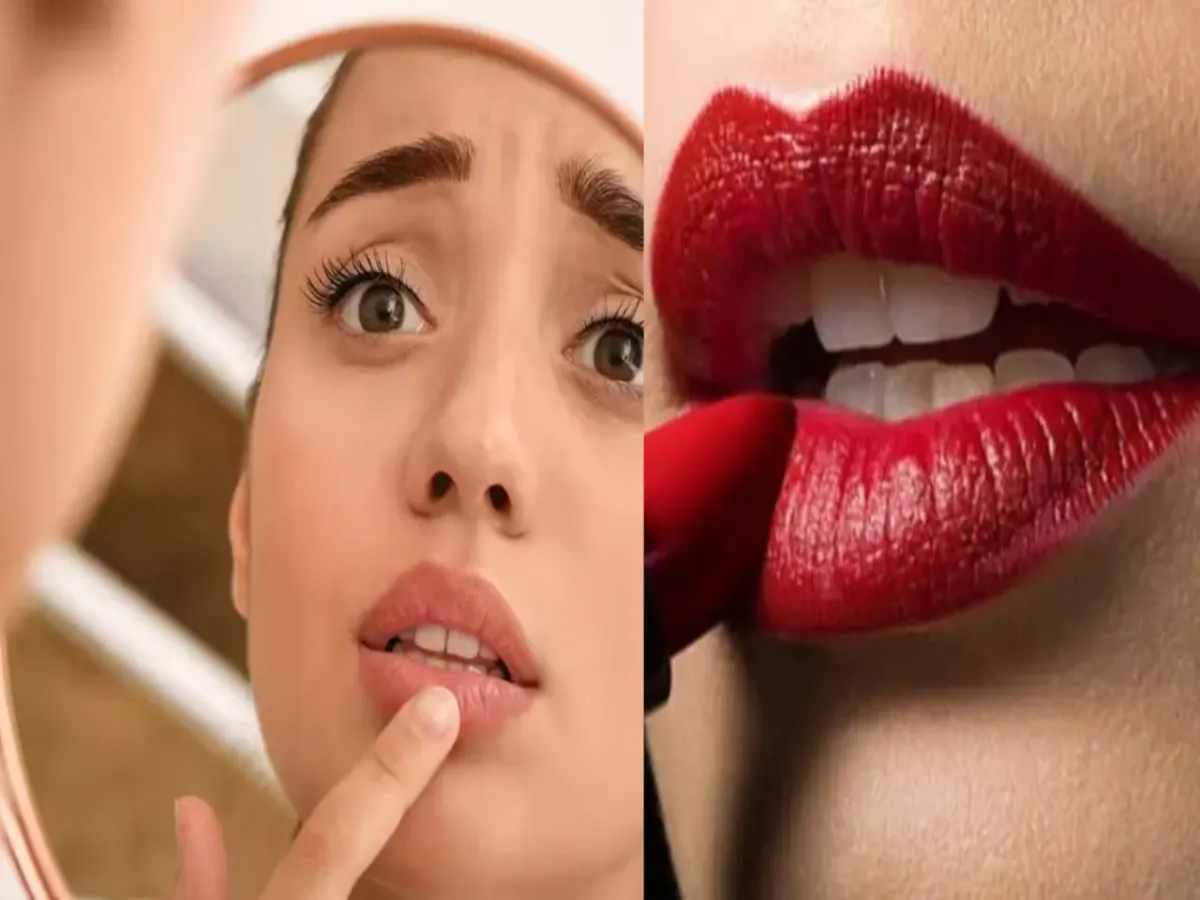
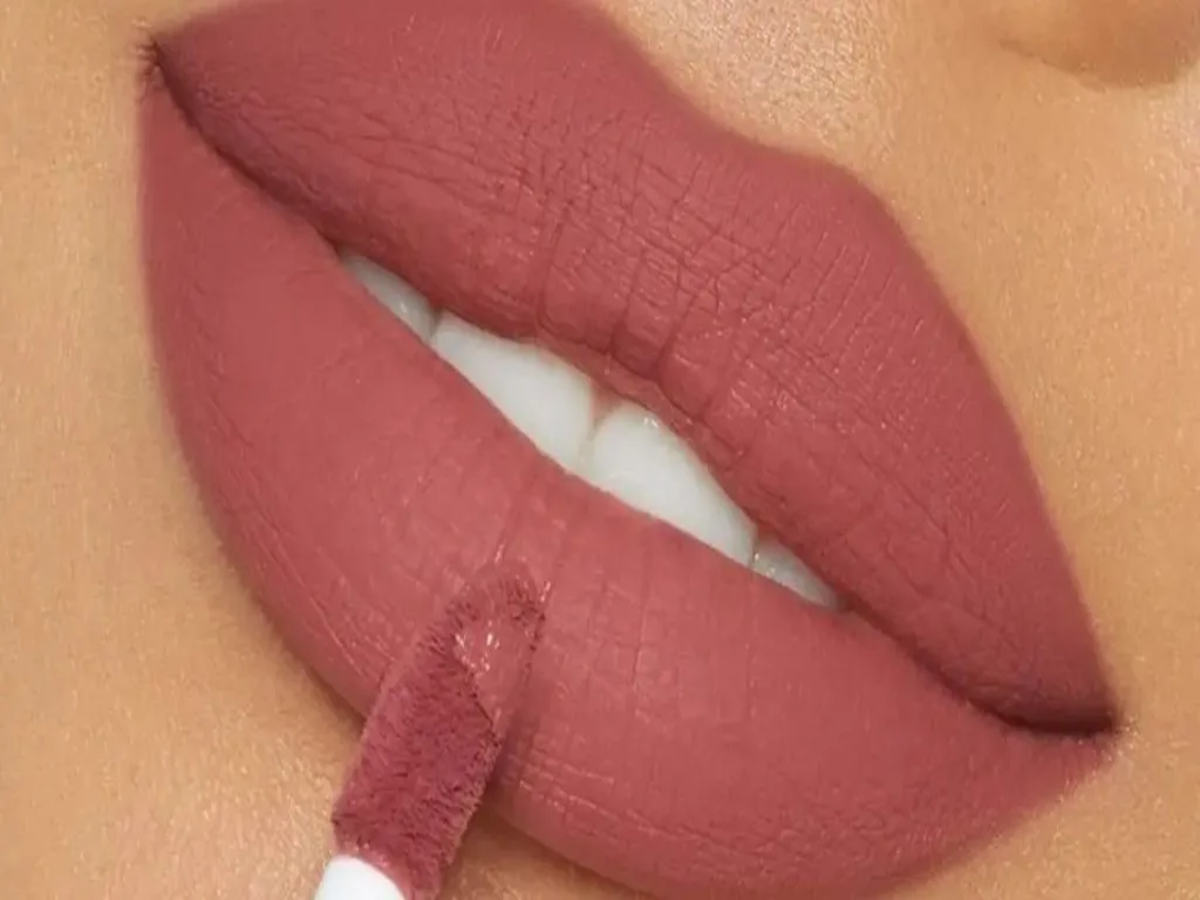
While matte lipsticks are highly popular during winter, the cold air can strip moisture from your lips, often causing the product to look cracked, cakey, or patchy. Sometimes, the color even settles into the fine lines or cracks of the lips, making your entire makeup look lackluster. In reality, the issue isn't the lipstick itself, but rather the preparation and application technique. By following the right routine, you can achieve a smooth, velvety matte finish—even in winter—without any dryness. Let’s explore where people often go wrong when applying matte lipstick and how you can achieve the perfect look.
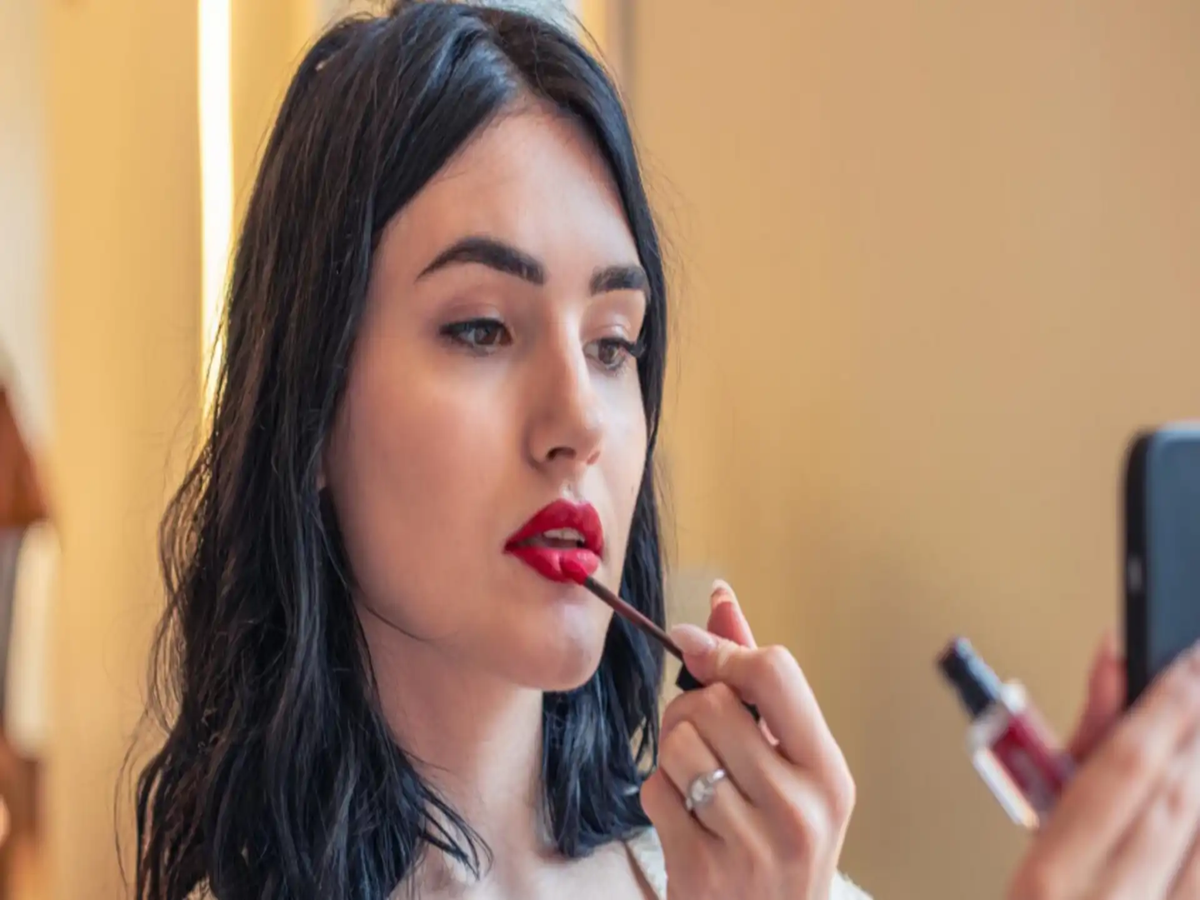
In winter, creamy or velvet-finish bullet matte lipsticks often feel less drying than liquid matte formulas.
Applying lipstick directly onto dry lips
Dead skin and dryness are common on the lips during winter. If you apply matte lipstick directly without prepping your lips, it will cling to dry, flaky patches, resulting in a cakey appearance. Before applying lipstick, gently exfoliate your lips using a lip scrub or a soft cloth to remove dead skin, ensuring a perfectly smooth surface.
Neglecting to moisturize
Matte formulas are inherently drying. Apply a good lip balm or a light oil a few minutes before your lipstick—but don’t apply the lipstick immediately on top. Gently dab away any excess balm with a tissue; this keeps your lips hydrated while ensuring the lipstick doesn't slip or lose its matte texture.
Skipping the lip liner
In cold weather, lips can shrink or contract, which may cause the lipstick to bleed or look uneven around the edges. Use a matching lip liner to define the shape of your lips—you can even fill them in slightly with the liner. This helps the lipstick stay in place longer and prevents it from looking patchy.
Applying a thick layer all at once
Many people apply a very thick layer at once to achieve a deeper color, but this tends to crack once it dries. Instead, apply a thin layer, blot it lightly with a tissue, and add another thin layer if needed. Additionally, stay hydrated by drinking water throughout the day and avoid the habit of frequently licking your lips, as saliva causes them to become even drier once it evaporates.
Frequently Asked Questions (FAQs):
Question: What is the best time to prep your lips before applying matte lipstick in winter?
Answer: Cleanse your lips with a gentle scrub at least 10–15 minutes before starting your makeup, then apply a lip balm. Just before applying lipstick, remove any excess balm with a tissue; this ensures your lips remain moisturized without causing the lipstick to slip.
Question: Can matte lipstick be applied immediately after using lip balm?
Answer: No; applying it immediately can compromise the matte texture and cause the lipstick to smudge or slip. Allow the balm to absorb slightly, and wipe away any excess oil or greasiness with a tissue before applying your lipstick.
Question: Should you avoid matte lipstick if your lips are severely chapped or dry?
Answer: If your lips have deep cracks or peeling skin, spend 2–3 days treating them first—use a lip scrub, keep them hydrated, and apply a lip mask or balm at night. On very dry lips, matte lipstick can settle into the cracks, making the overall look appear even drier.
Question: Which is better for winter—liquid matte lipstick or bullet matte lipstick?
Answer: In winter, creamy or velvet-finish bullet matte lipsticks often feel less drying than liquid matte formulas. If you must wear a liquid matte lipstick, ensure your lips are well-moisturized beforehand and apply only a thin layer.
Question: How can I prevent my lipstick from becoming cakey or patchy throughout the day?
Answer: Avoid licking your lips, stay well-hydrated, and use a light lip balm or a tissue to blot your lips when necessary. Instead of applying a fresh, thick layer, perform light touch-ups only as needed.