LIFESTYLE
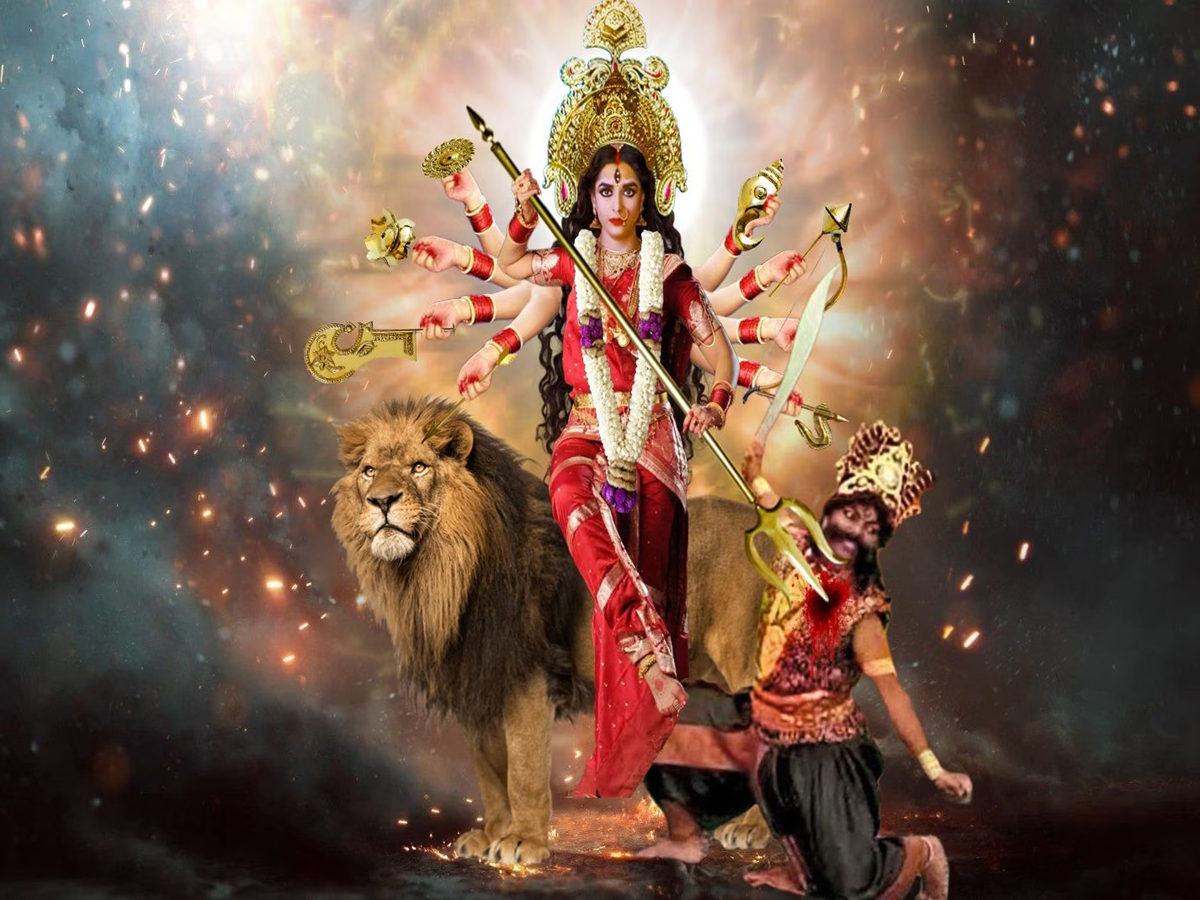
Why is the Hartalika Teej fast observed without consuming water? Learn about the mythological beliefs..
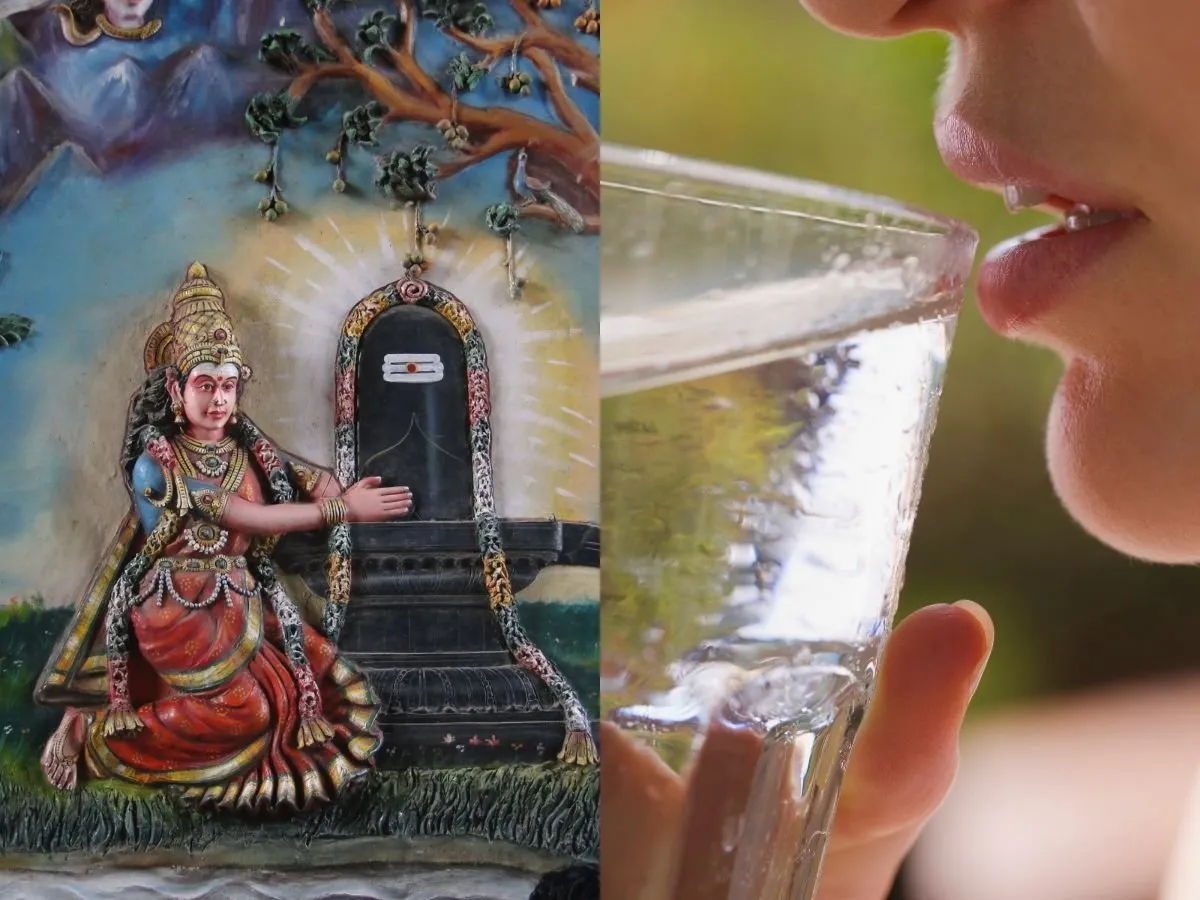
Hartalika Teej Nirjala Vrat 2026: Married women eagerly await Hartalika Teej throughout the year. On this day, they worship Lord Shiva and Goddess Parvati, praying for their husbands' longevity and the family's happiness and prosperity. This year, the Hartalika Teej fast will be observed on Monday, September 14; the festival is celebrated annually on the *Tritiya Tithi* (third day) of the *Shukla Paksha* (waxing phase of the moon) in the month of Bhadrapada. Many women observe a *Nirjala* fast (a fast without water) for Hartalika Teej, while unmarried women also observe it in the hope of finding a desired life partner. But do you know why this fast is observed without water? Let us explore the primary reasons behind this and the rules that must be followed during the fast...
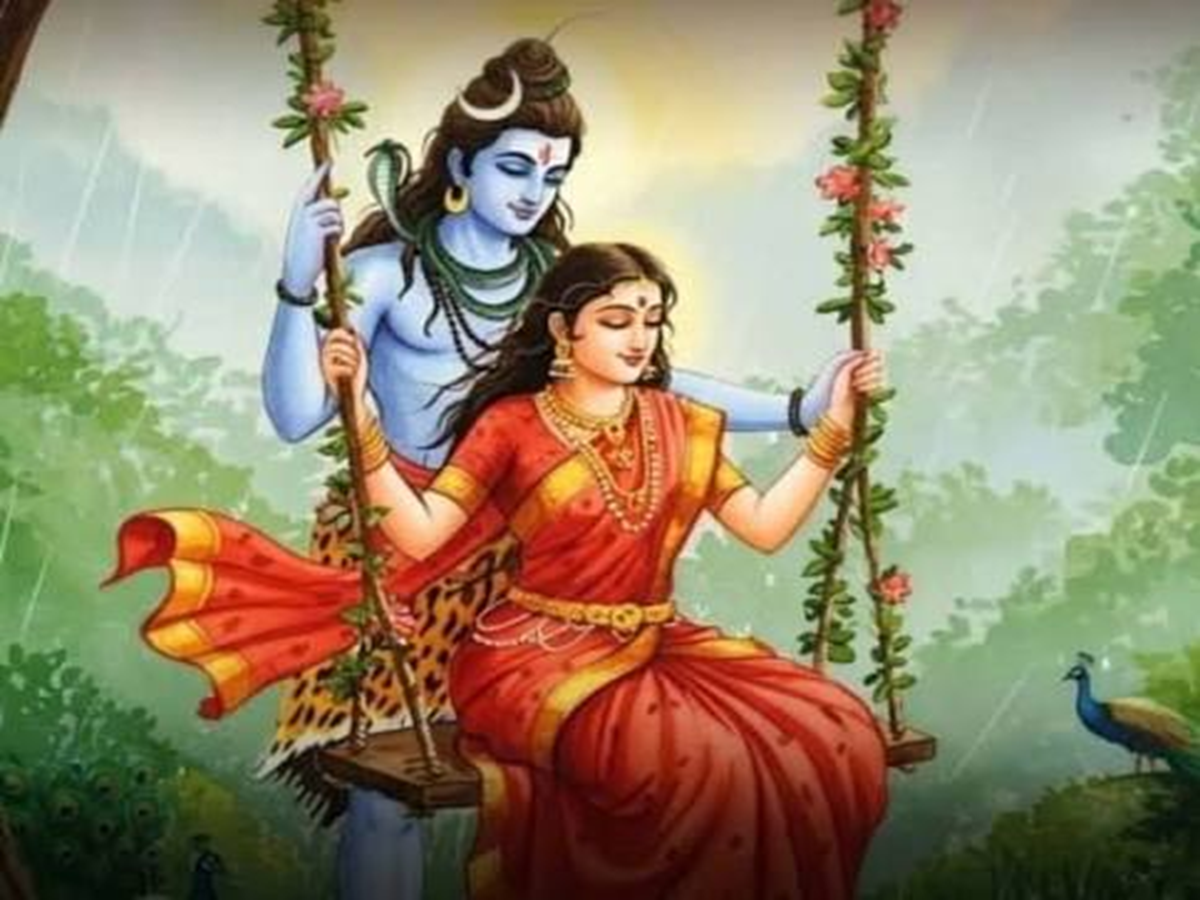
**Why women observe the *Nirjala* fast**
It is believed that Goddess Parvati performed severe penance and observed a *Nirjala* fast to attain Lord Shiva as her husband. The tradition of this fast continues in memory of Goddess Parvati's arduous devotion. According to mythological legends, Goddess Parvati desired Lord Shiva as her husband. To win over Bholenath, she began a rigorous penance and resolved to please Shiva. Lord Shiva was pleased by her intense devotion and accepted her as his wife. Women observe the Hartalika Teej fast for the longevity of their husbands and the well-being and prosperity of their families.
**Why it is called *Nirjala***
The Hartalika Teej fast is quite rigorous. Women go without consuming any water throughout the day, which is why it is known as a *Nirjala* (waterless) fast. After fasting all day, women worship Lord Shiva and Goddess Parvati in the evening. There is also a tradition of *Jagran* (staying awake all night in prayer and celebration) during this fast. On the occasion of Hartalika Teej, women wear new clothes and adorn themselves with *Solah Shringar* (the sixteen traditional adornments of a married woman). *Solah Shringar* holds special significance on this day; it symbolizes the depth of the bond between husband and wife. During the worship, items representing these sixteen adornments are offered to Goddess Parvati. Unmarried women also observe the Hartalika Teej fast with the desire to find a suitable husband.
**Auspicious Time for Hartalika Teej Puja**
On September 14, the period from 5:00 AM to 7:06 AM is considered the most auspicious time for the Hartalika Teej puja. Performing the puja during the *Brahma Muhurat*—between 4:32 AM and 5:19 AM—is also considered auspicious. Additionally, the puja can be performed during the *Abhijit Muhurat*.
**Rules for the Hartalika Teej Fast**
There is a religious tradition of following specific rules during the Hartalika Teej fast. According to belief, women observing the fast worship Lord Shiva and Goddess Parvati while abstaining completely from food and water (*Nirjala* fast). No food or water is consumed during the fast; however, in case of health issues, it is appropriate to make a decision based on one's physical condition. Before the puja, bathe, wear clean clothes, and ensure the place of worship is clean.
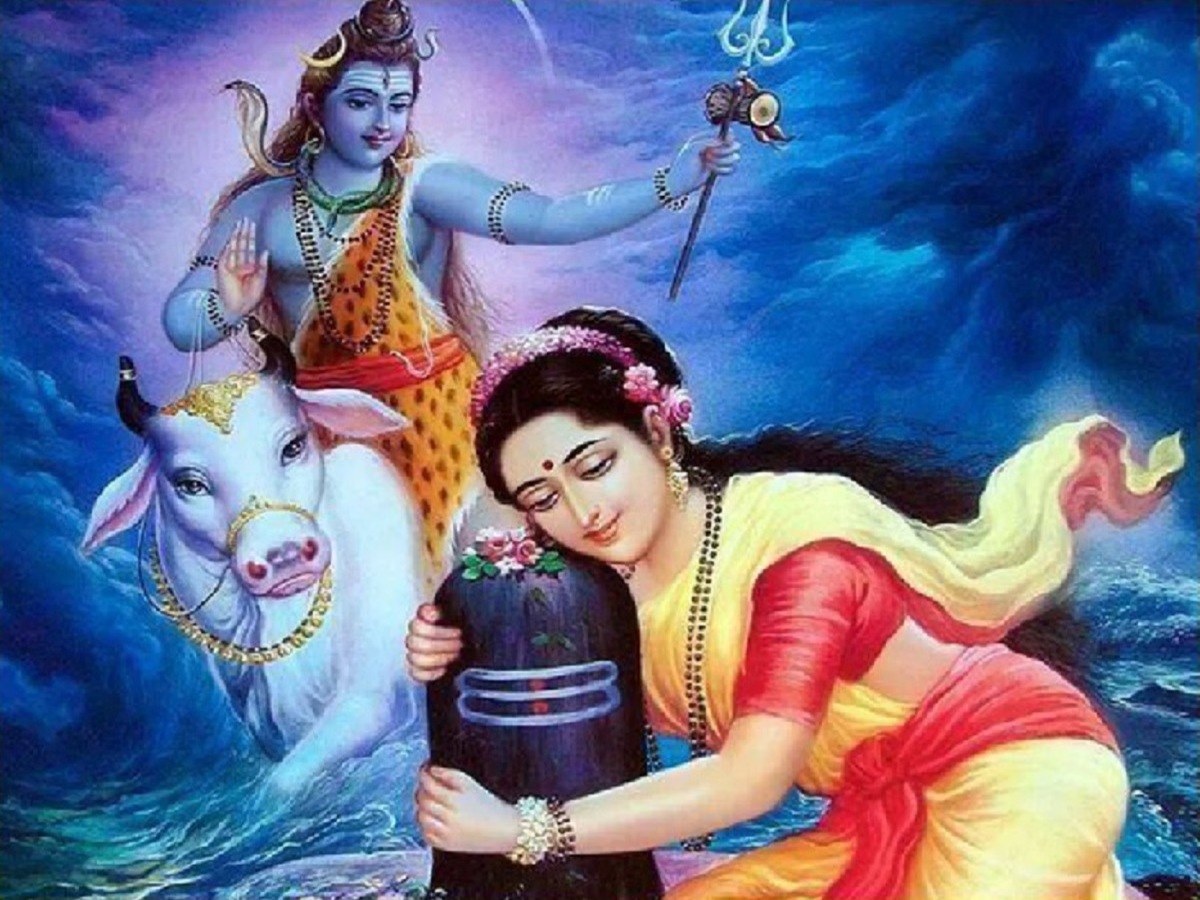
Worship Lord Shiva, Goddess Parvati, and Lord Ganesha according to the prescribed rituals. Offer *Suhag* items (symbols of marital bliss) to Goddess Parvati, and offer *Belpatra* (wood apple leaves), flowers, and water to Lord Shiva. Listening to or reading the Hartalika Teej legend is also considered auspicious. There is a tradition of maintaining purity in thought, speech, and action throughout the fast. The fast is concluded (*Paran*) the following day after performing the puja and following traditional rituals.
PC Social Media