
LIFESTYLE
Women's Health: How often should you change your sanitary pad during your period? Keep these 3 points in mind..

Menstruation—commonly known as periods—is a normal physiological process in women's bodies. However, poor hygiene during this time can lead to various health complications. According to doctors, negligence can exacerbate issues such as infections, abdominal pain, itching, skin irritation, and fever. In some instances, these problems can even take a severe turn. Therefore, maintaining proper hygiene during menstruation is essential.
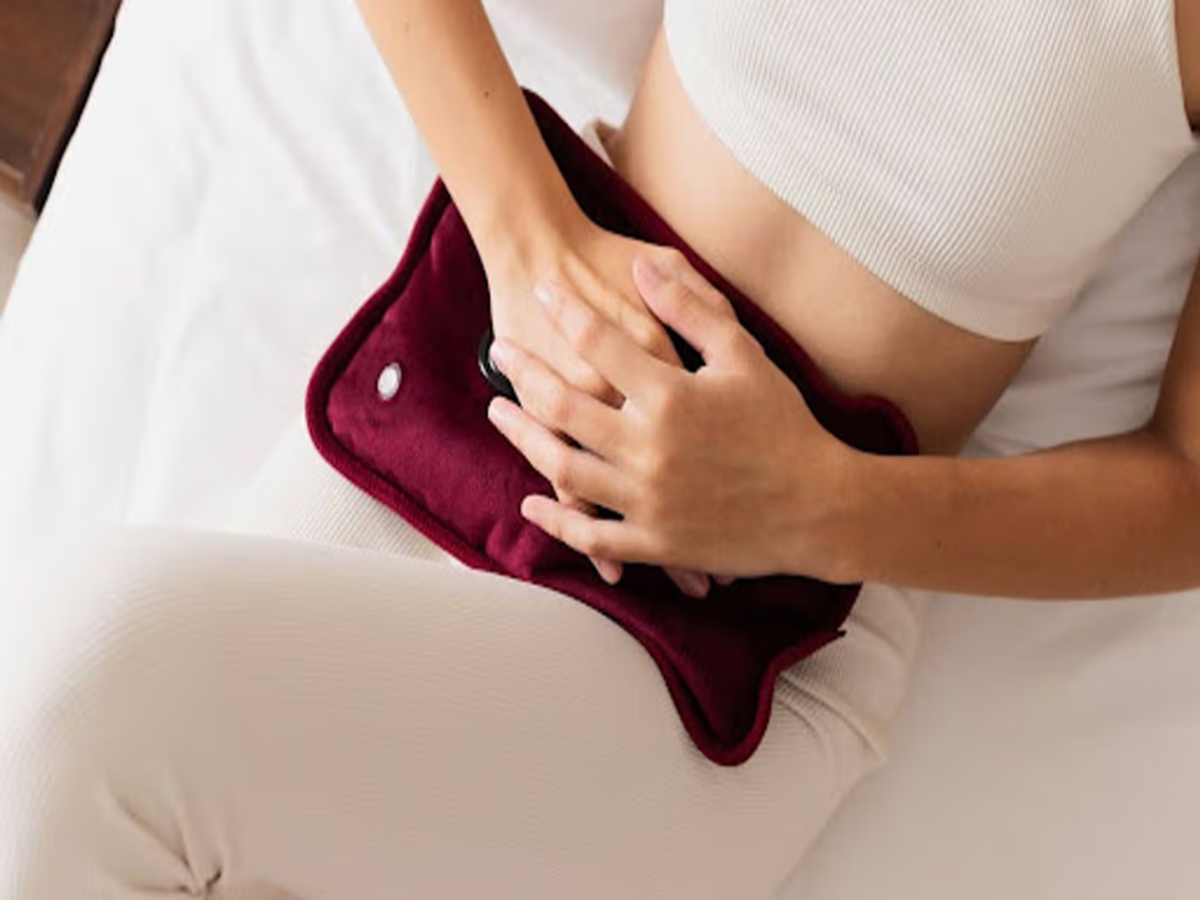
Health experts emphasize that raising awareness regarding women's health is crucial. This is not solely the responsibility of women, but rather a collective responsibility shared by the entire family and society. According to the National Health Mission (NHM), if women adhere to certain essential practices during their periods, many diseases and infections can be effectively prevented.
**3 Essential Habits for Healthy Periods**
**Use Clean and Safe Sanitary Products**
During menstruation, one should always use high-quality sanitary pads, tampons, or menstrual cups. Extremely cheap or unreliable products can damage the skin and serve as a breeding ground for infections. Therefore, it is advisable always to use products from reputable brands. If you choose to use cloth pads, ensure that you do not reuse them more than twice.
**Regularly Change Sanitary Pads**
A single sanitary pad should not be used for an extended period. According to experts, pads should be changed every 4 to 6 hours. This interval may need to be shortened during the summer months. However, the frequency of changing pads also depends on the intensity of your menstrual flow. Wearing the same pad for too long allows bacteria to multiply, which can lead to infections, irritation, and itching. Changing pads regularly helps keep the body clean and minimizes discomfort.

**Prioritize Personal Hygiene**
Maintaining the cleanliness of intimate areas is paramount during menstruation. One should wash these areas with clean water 2 to 3 times a day. Always clean from front to back to prevent bacteria from entering the body. It is advisable to avoid wearing overly tight clothing; instead, opting for cotton undergarments is considered the better choice. Additionally, it is essential to wash your hands thoroughly before and after changing the pad.
PC Social Media