LIFESTYLE
Women's Health: Why is it important to identify PCOS early? These 5 common symptoms can help you spot it early..
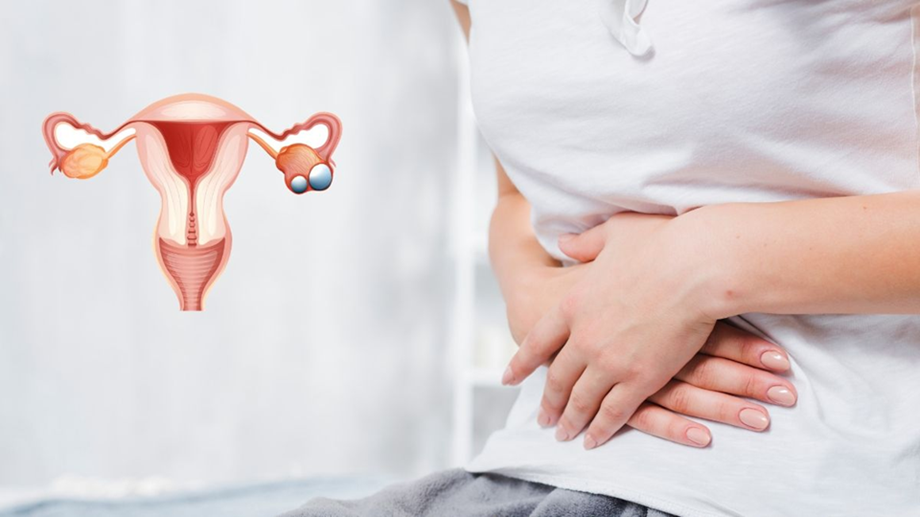
Polycystic Ovarian Syndrome (PCOS) is one of the most common hormonal problems in women. It's not just about menstrual irregularities, but rather a condition that impacts overall health. This condition affects many women worldwide.
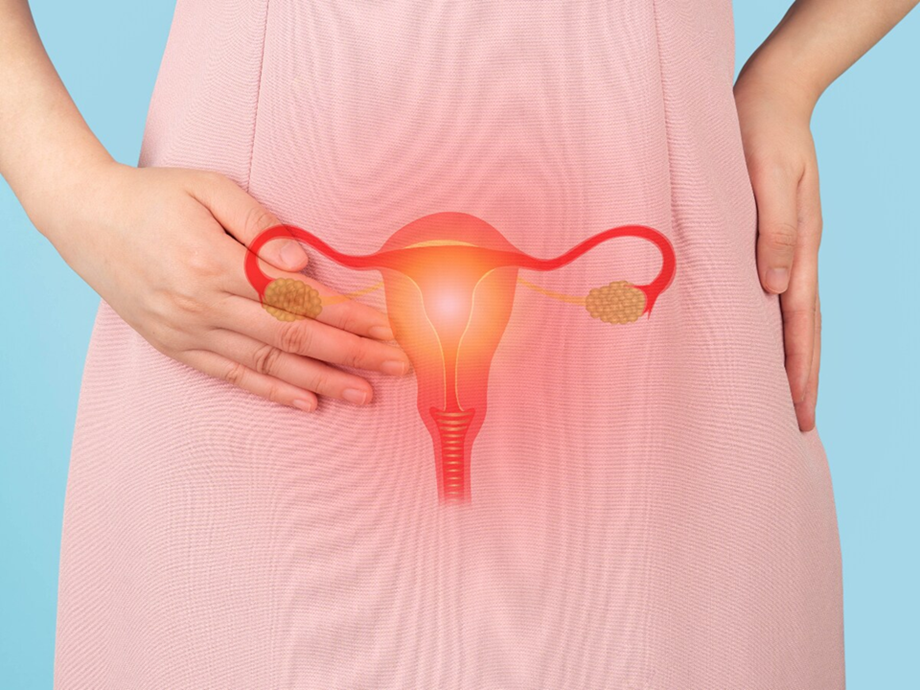
However, people often ignore its symptoms (PCOS Symptoms), making it difficult to diagnose it in time. If PCOS isn't detected early, it can lead to many complications. We spoke with Dr. Aastha Gupta (Senior IVF Consultant and Infertility Specialist, Obstetrician & Gynecologist, Delhi IVF, New Delhi) to learn about its symptoms and the potential complications if it's not detected early. Let's find out what she had to say.
What is PCOS?
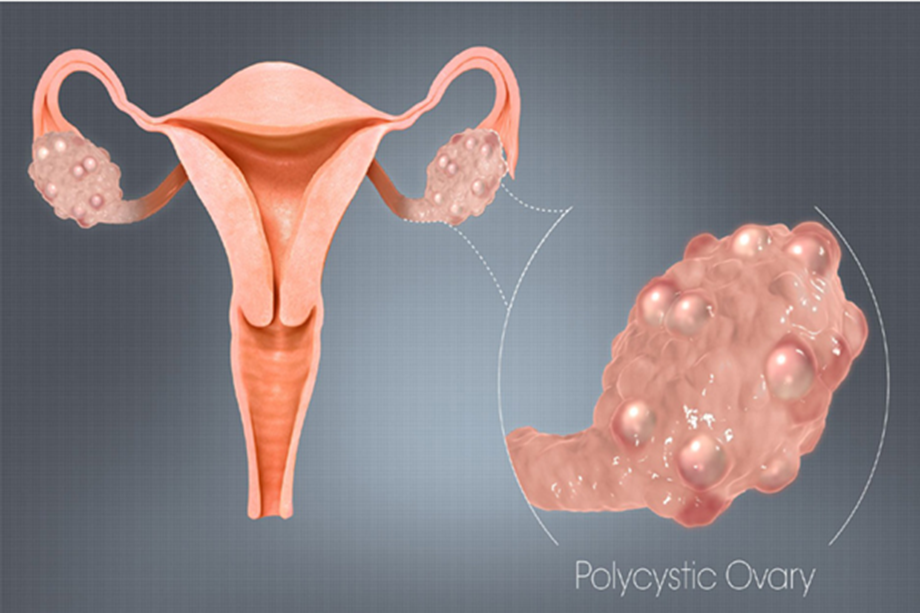
PCOS is a hormonal disorder in which a woman's ovaries produce more androgens, or male hormones, than normal. This can cause small cysts to form in the ovaries and affect ovulation.
Common symptoms of PCOS
Irregular periods - periods that don't come or come too late.
Difficulty conceiving - eggs aren't released regularly.
Weight gain - fat deposits, especially around the abdomen.
Acne - persistent pimples due to hormonal imbalance.
Excessive hair - abnormal hair growth on the face, chest, or body.
Women often ignore these symptoms, considering them normal, but they can lead to serious health problems later on.
What can happen if it's not diagnosed early?
It's a mistake to consider PCOS a minor problem, as it can lead to serious illnesses in the long run.
Infertility - Infrequent ovulation can be a major cause of infertility in women.
Metabolic disorders - Women with PCOS are at a higher risk of insulin resistance, type 2 diabetes, and obesity.
Risk for heart disease - High cholesterol and high blood pressure increase the risk of heart disease.
Endometrial Cancer - Failure to ovulate can thicken the lining of the uterus, increasing the risk of cancer.
Impact on Mental Health - Persistent acne, hair problems, and reproductive issues can lead to depression, anxiety, and a lack of self-confidence.
What to do for prevention?
Although PCOS cannot be completely prevented, its effects can be significantly reduced by adopting a healthy lifestyle.
Maintain a healthy weight - Losing 5–10% of your weight can regulate your periods and improve ovulation.
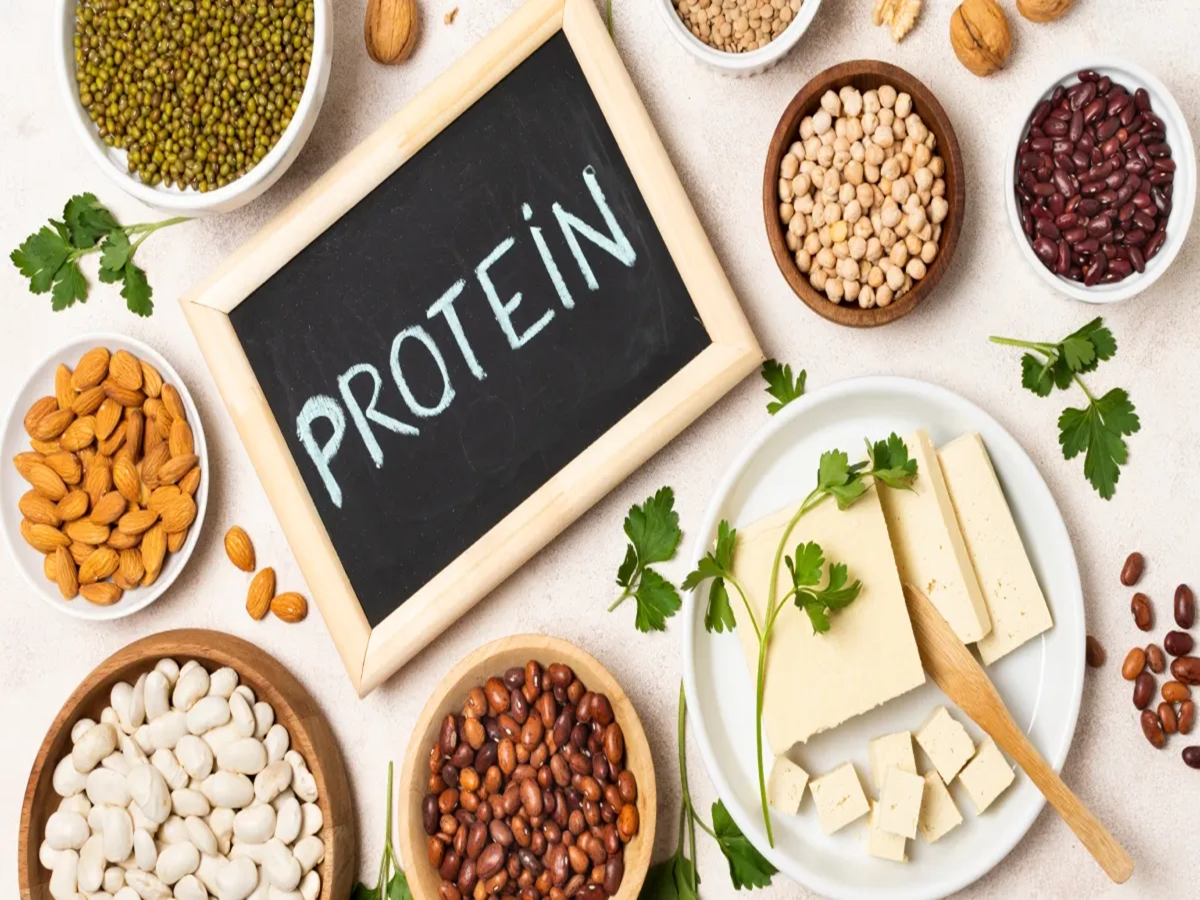
Eat a healthy diet - Include whole grains, lean protein, green vegetables, and healthy fats. Avoid sugary and processed foods.
Exercise regularly - Include at least 30 minutes of walking, yoga, or any other physical activity in your daily routine.
Reduce stress - Meditation, yoga, and adequate sleep help maintain hormonal balance.
PC Social Media