LIFESTYLE
World Arthritis Day: From morning stiffness to joint swelling, do not ignore these symptoms of arthritis..

World Arthritis Day: Experiencing pain and stiffness in the joints of the knees, hands, shoulders, or lower back immediately upon waking up can be a common issue for many people. However, if this problem recurs frequently, persists for a long time, or begins to interfere with daily activities, it should not be dismissed merely as a sign of aging. These persistent issues could be indicators of arthritis.
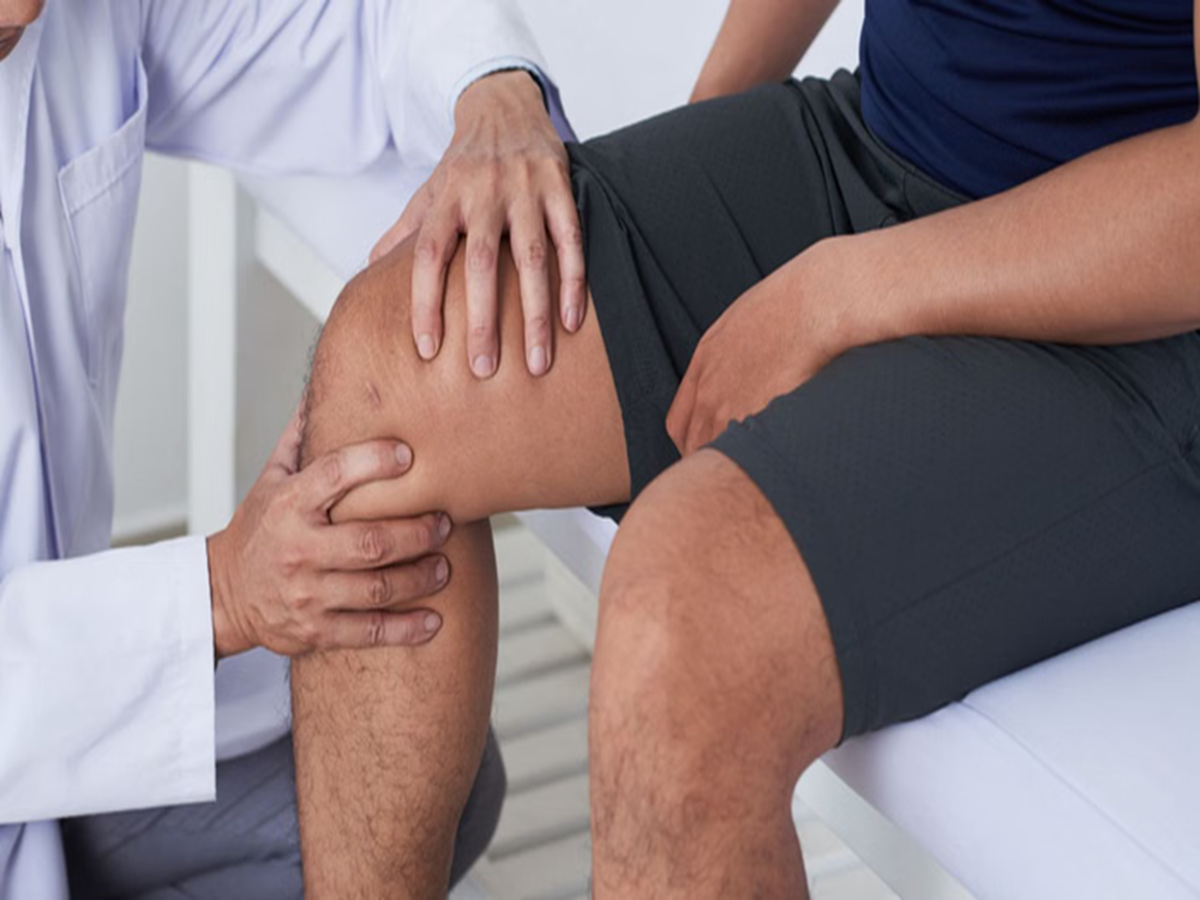
On the occasion of World Arthritis Day, we explain why it is crucial to recognize symptoms early and undergo proper testing; for certain types of arthritis, early treatment can help minimize joint damage.
Here are the early symptoms:
Morning joint stiffness
Prolonged joint stiffness after waking up can be a significant sign of arthritis, especially if the issue recurs frequently and does not easily resolve even after moving around. In cases of rheumatoid arthritis, morning stiffness can persist for an extended period.
Persistent joint pain
Recurring pain in the joints of the knees, fingers, wrists, shoulders, ankles, or feet also warrants attention. While not all joint pain indicates arthritis, it is important to identify the cause of persistent pain.
Swelling and warmth in the joints
If you notice swelling, redness, or warmth around a joint, it could indicate inflammation. Such issues should not be ignored if they occur repeatedly.
Difficulty moving
Difficulty bending joints, climbing stairs, walking, or performing daily tasks can also be signs associated with arthritis. Knee problems, in particular, can make it difficult to stand up or sit down.
When should you consult a doctor?
If joint pain, swelling, or stiffness persists or recurs, it is advisable to consult a doctor. The specific type of arthritis can be diagnosed based on symptoms, a physical examination, and—if necessary—tests such as blood work or X-rays.

What can be done to keep joints healthy?
Engaging in regular, light physical activity, maintaining a healthy weight, and avoiding unnecessary strain on the joints can be beneficial. Even when one has arthritis, completely stopping physical activity is not considered advisable. Depending on the individual's condition, activities such as walking, swimming, or other low-impact exercises can be performed.
PC Social Media